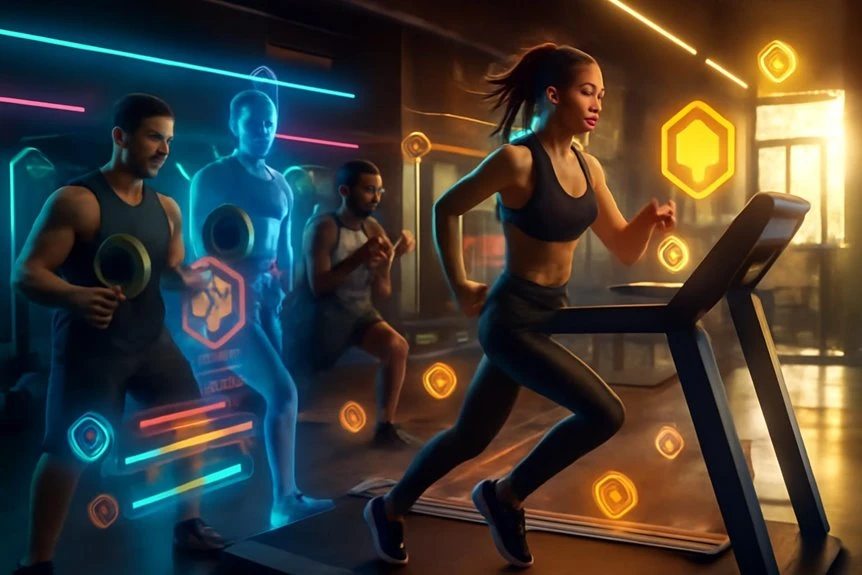
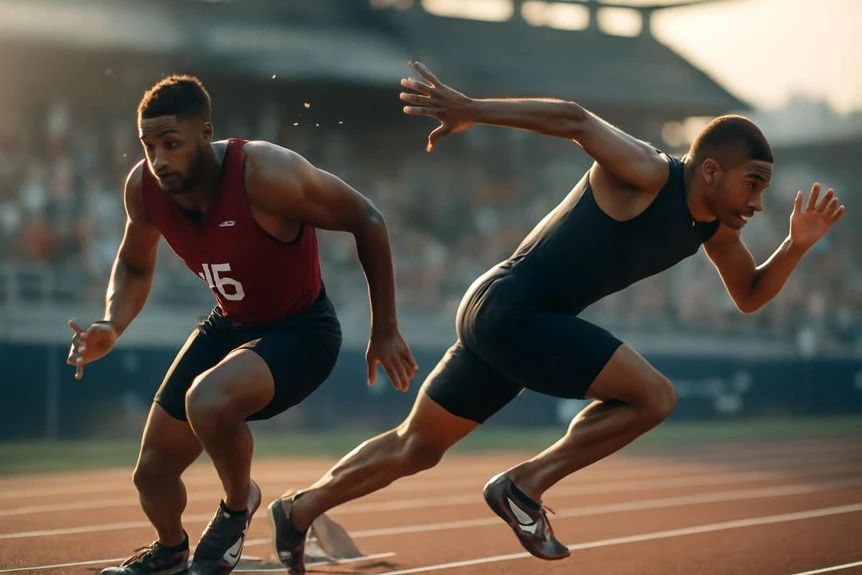
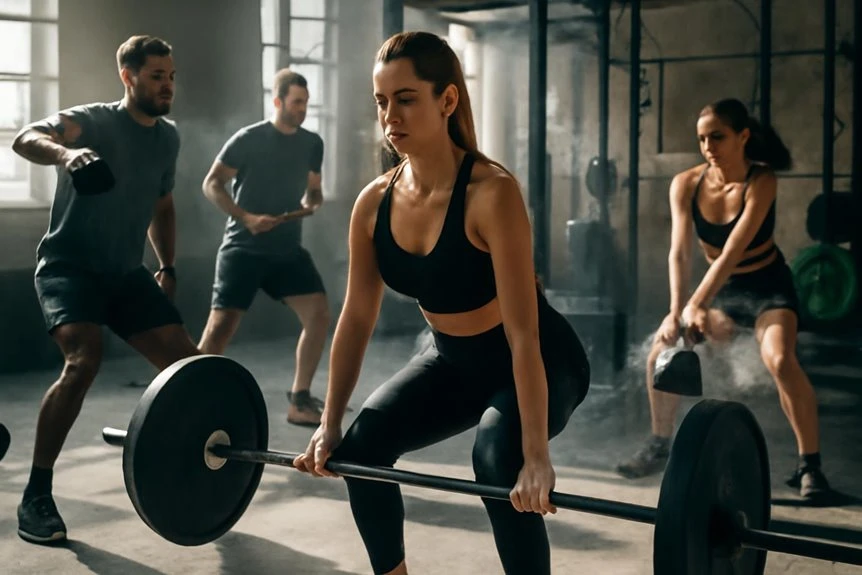
Fitness gamification is reshaping workouts by turning exercise into goal-driven play instead of a chore. Apps and programs now use points, levels, and storylines to make runs, lifts, and daily movement feel like missions. Psychological hooks like autonomy, visible progress, and light social comparison keep people engaged longer. From darkly funny coaches to zombie chases and fandom-themed gyms, training becomes an adventure layered over real cardio and strength work, with far more possibilities just ahead.
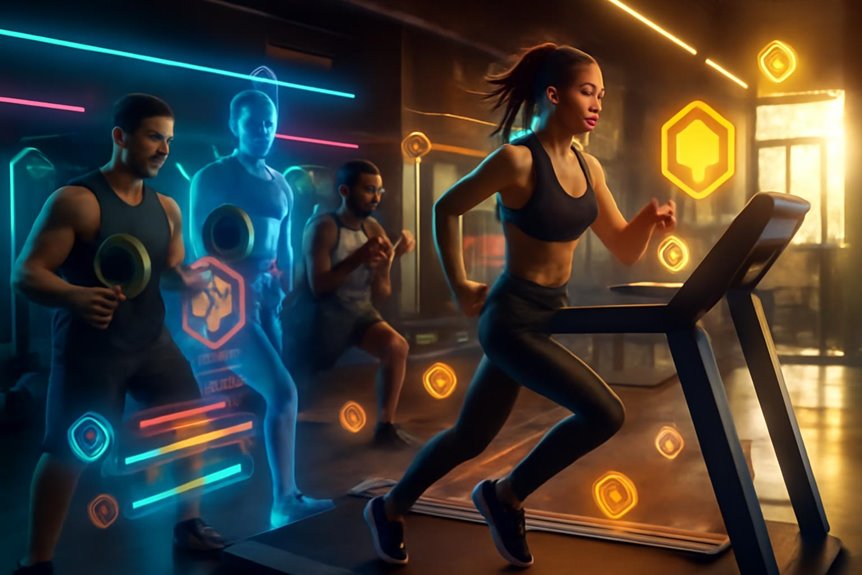
Why Fitness Gamification Is Transforming Workouts
Across gyms, apps, and even living rooms, fitness gamification is reshaping exercise by turning effort into engaging, goal-driven play rather than a chore to be endured. It lets individuals choose paths that feel like adventures instead of obligations.
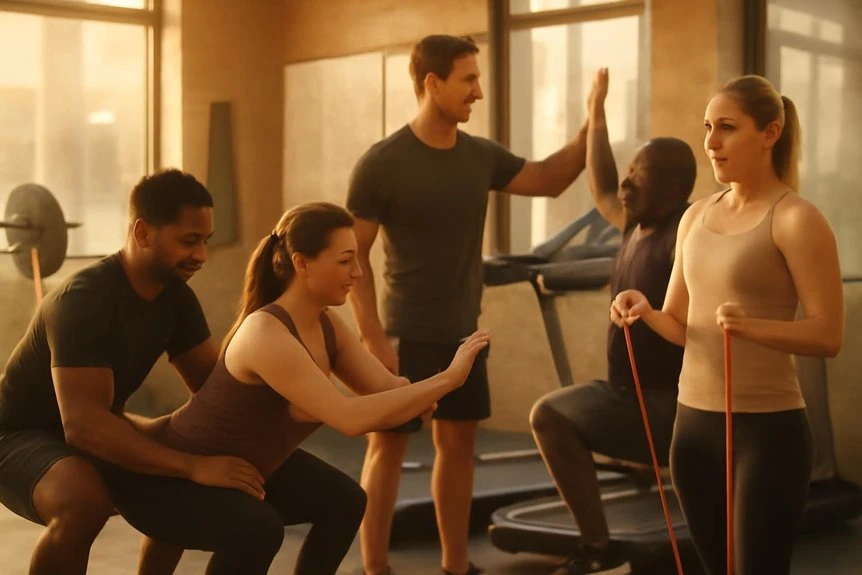
CARROT Fit reframes discipline with sharp humor, giving users a bracing alternative to polite nudges. Nerdstrong and Zombies, Run! wrap training inside stories, allowing people to step into roles rather than routines. Gamified platforms increasingly mirror the structure of group fitness classes, layering points, challenges, and narrative rewards over cardio, strength, and recovery-style sessions to enhance motivation, consistency, and long-term adherence.
Strava, FitRPG, and Nike Training Club convert movement into visible progress, creative expression, and friendly competition, inviting self-directed athletes to pursue health on their own terms, without external permission.
The Psychology Driving Fitness Gamification Motivation
These varied examples of fitness gamification are not accidental successes; they are built on specific psychological drivers that make effort feel worthwhile and even enjoyable. At the core is autonomy: people stay engaged when they feel free to choose paths, challenges, and pacing.
Competence follows—visible progress bars, streaks, and levels signal that effort translates into real growth. Social resonance matters, too; even light comparison or cooperation can turn solitary exercise into shared adventure.
Finally, curiosity and playful risk create a sense of exploration rather than obligation, helping individuals return because they want to, not because they “should” each day. In much the same way, family fitness challenges that emphasize shared goals and fun over performance tap into these same psychological drivers to build lasting, enjoyable activity habits.
Real-World Fitness Gamification Examples Changing the Game
How do the psychological drivers of autonomy, competence, social connection, and curiosity translate into actual products people use every day? CARROT FIT weaponizes dark humor and playful shaming, pushing users through Loss & Avoidance without crushing self-respect. Zombies, Run! turns pavement into post‑apocalyptic missions, where Runner 5’s choices matter to Abel Township.
Nerdstrong Gym reframes workouts as fandom-fueled quests, giving misfit heroes a physical home base. FitRPG, Strava, and Nike Training Club bind real-world effort to visible gains, leaderboards, and streaks, letting movers self-direct progress while feeling part of something bigger than a routine that once felt forced anyway. For fitness lovers, integrating gamified apps with home gym essentials like adjustable dumbbells or smart jump ropes creates a seamless bridge between playful challenges and real-world strength and cardio gains.
How to Add Fitness Gamification to Your Routine
Gamifying fitness does not require a custom app, a cosplay gym, or a home full of equipment; it starts with deliberately attaching game-like rules, goals, and feedback to movement that already fits a person’s life. They might assign XP to walks, create “boss battles” for weekly long runs, or turn housework into quick timed quests.
Some prefer narrative workouts, others thrive on leaderboards, solo streaks, or avatar progression. The key is choosing mechanics that feel playful, not controlling, then tracking results visibly—on paper, spreadsheets, or minimal apps—so progress stays tangible while options remain open and self-directed for long-term freedom.
Future Trends in Fitness Gamification and Tech
As individuals experiment with simple, self-made challenges and rules, a broader shift is already reshaping what those game-like experiences will look like in the coming years.
Future fitness systems will lean on adaptive AI coaches that sense mood and fatigue, switching between CARROT-style tough love and gentler guidance. Narrative worlds like Nerdstrong and Zombies, Run! will blur with AR glasses, location data, and real-time biometrics. Open platforms will let users design quests, trade community-made workouts, and opt out of manipulative streaks or FOMO tactics. Ownership of data, avatars, and rulesets will stay firmly with the individual by design alone.
Conclusion
In the end, the gym begins to look less like a dungeon of drudgery and more like a sprawling game board. Treadmills become quests, dumbbells turn into keys, and every bead of sweat is a small coin added to an unseen purse. As players log off each night, the map quietly expands, proving that the real final boss has always been tomorrow’s excuse. Yet the controllers are lungs and limbs, and victory feels like health.























Sign in to leave a comment.