In today’s fast-paced digital world, traditional teaching methods often struggle to keep students engaged. As technology continues to evolve, educators are turning toward innovative techniques that blend learning with entertainment. One of the most impactful approaches emerging in modern classrooms is gamified education. By integrating game-like elements such as rewards, challenges, points, and levels into learning activities, this method makes the educational experience more dynamic, interactive, and enjoyable.
Gamified education is not just about adding fun to lessons—it is about motivating learners to participate more actively. When students are excited about learning, they naturally absorb information faster and retain it longer. Game mechanics tap into basic human psychology by offering incentives, instant feedback, and a sense of accomplishment. These elements encourage learners to stay focused, push their limits, and celebrate each milestone, no matter how small.
One of the greatest strengths of gamified education is its ability to appeal to students with different learning styles. Visual learners can benefit from graphics, animations, and colorful progress indicators. Auditory learners can engage with sound cues, narrations, and dynamic interactions. Kinesthetic learners can participate in hands-on tasks, quizzes, and challenges that allow them to learn by doing. This makes gamification an inclusive method that ensures every student feels involved and supported.
Another major advantage is the improvement in student motivation. Traditional education methods often rely on passive learning, where students listen or read without much interaction. Gamified education turns this model upside down by making students active participants in the learning journey. Points, badges, leaderboards, and achievement levels create healthy competition and encourage consistent progress. When learners know they can unlock a reward or complete a challenge, they feel more driven to participate and perform.
Gamified education also helps teachers track each student’s performance with greater accuracy. Digital tools allow educators to monitor progress in real time, identify learning gaps, and offer personalized guidance wherever needed. Instead of waiting for periodic exams, teachers can gather immediate insights into how well students understand concepts. This creates a more responsive and effective learning environment.
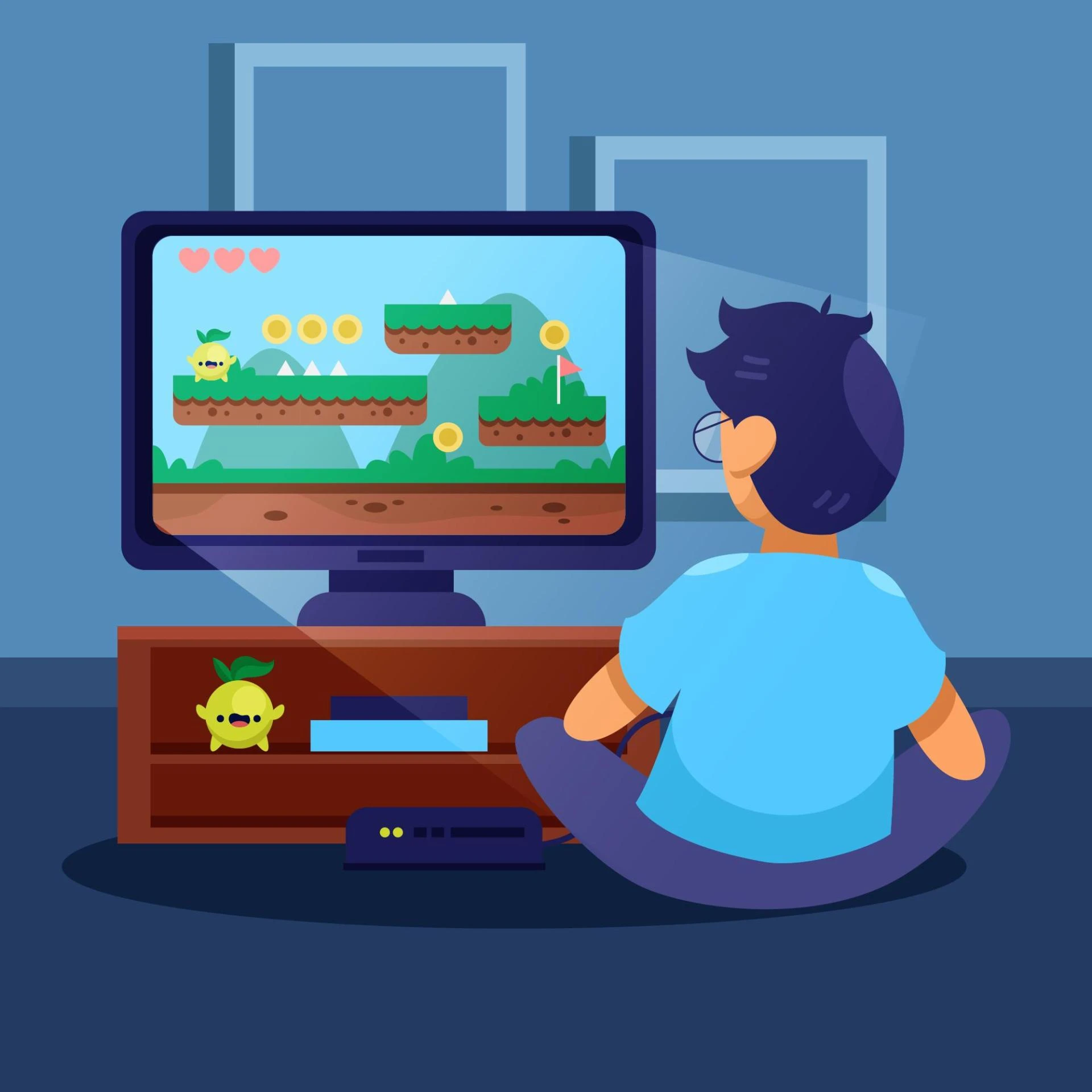
For today’s tech-savvy generation, gamified learning mirrors the digital experiences they already enjoy outside the classroom. This makes it easier to bridge the gap between entertainment and education. From interactive quizzes to virtual simulations, students can explore subjects in new and exciting ways. Whether it’s solving puzzles to learn math, participating in role-playing activities in science, or earning badges while learning languages, gamified education has the power to make learning feel like an adventure.
As schools, training institutions, and e-learning platforms embrace this innovative method, the future of education looks more interactive and engaging than ever. Gamified education is set to play a major role in shaping how students develop skills, gain knowledge, and stay motivated throughout their academic journey. By making learning fun, purposeful, and personalized, it has the potential to transform education for generations to come.





















Sign in to leave a comment.