In today’s highly competitive digital world, brands are constantly searching for new ways to capture attention, build loyalty, and stand out from the crowd. One of the most powerful trends shaping modern marketing is the rise of gamification marketing campaigns. By blending game-like elements with traditional marketing strategies, businesses are creating immersive and interactive experiences that keep audiences hooked.
What Is Gamification in Marketing?
Gamification simply means adding game mechanics—such as rewards, leaderboards, points, challenges, and levels—into a non-game context. When applied to marketing, it transforms ordinary promotional activities into engaging experiences. Instead of passive advertising, customers actively participate, interact, and enjoy the process. This not only enhances brand recall but also strengthens emotional connection.
Why Gamification Marketing Campaigns Work
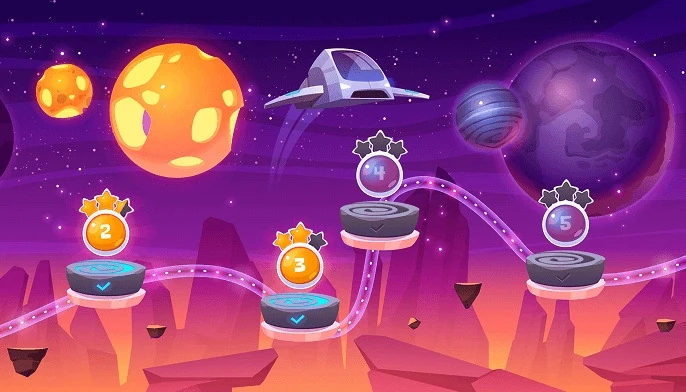
One major reason gamification is so successful is the natural human desire for achievement and reward. When users feel like they are accomplishing something, even small tasks, they are more likely to stay engaged. Elements like progress bars, badges, daily challenges, spins, or instant rewards create a sense of excitement. These simple touches make the experience enjoyable and encourage users to return often.
Gamification also taps into friendly competition. Leaderboards and point systems motivate users to perform better, share with friends, and stay active. This not only boosts engagement but also increases word-of-mouth marketing.
Benefits for Brands
Brands using gamification marketing campaigns enjoy several advantages:
1. Higher Engagement:
Interactive challenges and rewards grab user attention and keep them on the platform longer.
2. Increased Conversions:
When users enjoy the experience, they are more likely to make purchases, subscribe, or take desired actions.
3. Strong Customer Loyalty:
Gamified rewards, daily tasks, and progress tracking make customers return regularly, building long-term relationships.
4. Better Data Insights:
Gamification encourages users to interact more frequently, helping brands gather valuable behavioral data to improve their strategies.
Types of Gamification Marketing Campaigns
There are various types of gamification strategies that brands can customize based on their goals:
- Spin-to-win campaigns that offer instant rewards
- Point-based systems that let users earn and redeem rewards
- Challenges and missions encouraging users to complete tasks
- Quizzes and trivia games increasing knowledge while promoting a product
- Referral challenges motivating users to bring new customers
These campaign styles can be tailored to any industry—e-commerce, entertainment, food & beverages, education, fitness, and more.
Why Gamification Is the Future of Marketing
Consumers today expect more than static ads. They want experiences. Gamification delivers exactly that. It makes marketing fun, memorable, and emotionally rewarding. With attention spans shrinking and competition increasing, gamification provides brands a dynamic way to remain relevant.
As technology continues to evolve, the potential for gamification marketing campaigns will only grow. Businesses that adopt this strategy early will enjoy stronger customer connections, higher revenue, and a distinct competitive advantage.







Sign in to leave a comment.