In today’s digital world, businesses are constantly looking for innovative ways to engage visitors and keep them coming back. One of the most effective strategies to achieve this is gamification on website. By integrating game-like elements into a website, companies can enhance user experience, increase interaction, and drive desired actions, all while making the browsing process more enjoyable.
What is Gamification on Website?
Gamification on website refers to the application of game mechanics, such as points, badges, leaderboards, challenges, and rewards, to non-game digital platforms. It leverages human psychology—particularly motivation and competition—to encourage users to complete specific actions, such as signing up, making a purchase, leaving feedback, or exploring content.
Unlike traditional websites, gamified websites create an interactive environment where users feel a sense of achievement, recognition, and progress. This approach is not only engaging but also helps businesses achieve measurable goals like higher conversion rates and increased time spent on the site.
Key Benefits of Gamification on Website
- Enhanced User Engagement: Gamified elements, such as quizzes, challenges, or reward points, keep users actively involved. Visitors are more likely to explore different sections, participate in activities, and interact with content, making their experience memorable.
- Increased Conversions: By adding incentives like badges, points, or discounts, users are motivated to complete desired actions, such as signing up for newsletters or making purchases. Gamification effectively guides users toward conversion goals while keeping them entertained.
- Improved User Retention: Websites that offer rewards and progression systems encourage repeat visits. Users return to track their progress, earn rewards, or compete with others, which increases retention and builds loyalty.
- Valuable Customer Insights: Tracking user interactions in gamified systems helps businesses collect data on preferences, behavior, and engagement patterns. This information can be used to optimize marketing strategies and improve overall website performance.
- Enhanced Brand Perception: Gamification makes websites fun, innovative, and interactive, creating a positive impression of the brand. Users associate the site with creativity and modernity, which strengthens brand image.
Examples of Effective Gamification on Website
- Points and Reward Systems: Users earn points for completing actions, which can be redeemed for discounts, freebies, or exclusive content.
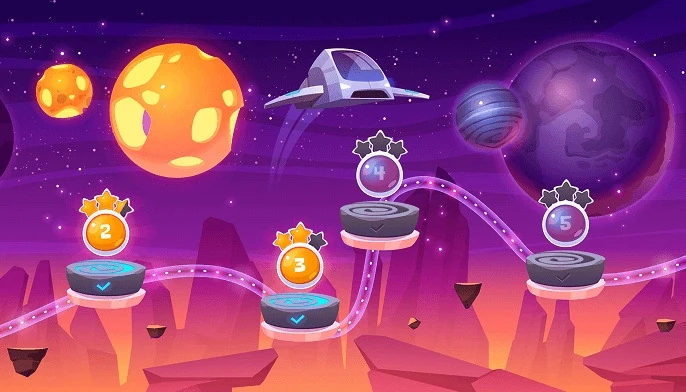
- Progress Bars and Levels: Visual indicators of progress encourage users to complete tasks, explore more pages, or achieve milestones.
- Quizzes and Challenges: Interactive challenges and quizzes make learning about products or services fun while keeping users engaged.
- Leaderboards: Competitive elements encourage users to participate more actively to achieve higher rankings.
Conclusion
Gamification on website is no longer a novelty—it has become an essential tool for businesses looking to engage users, increase conversions, and foster loyalty. By integrating game-like features thoughtfully, companies can create a dynamic online experience that is both enjoyable for users and profitable for the business.






















Sign in to leave a comment.