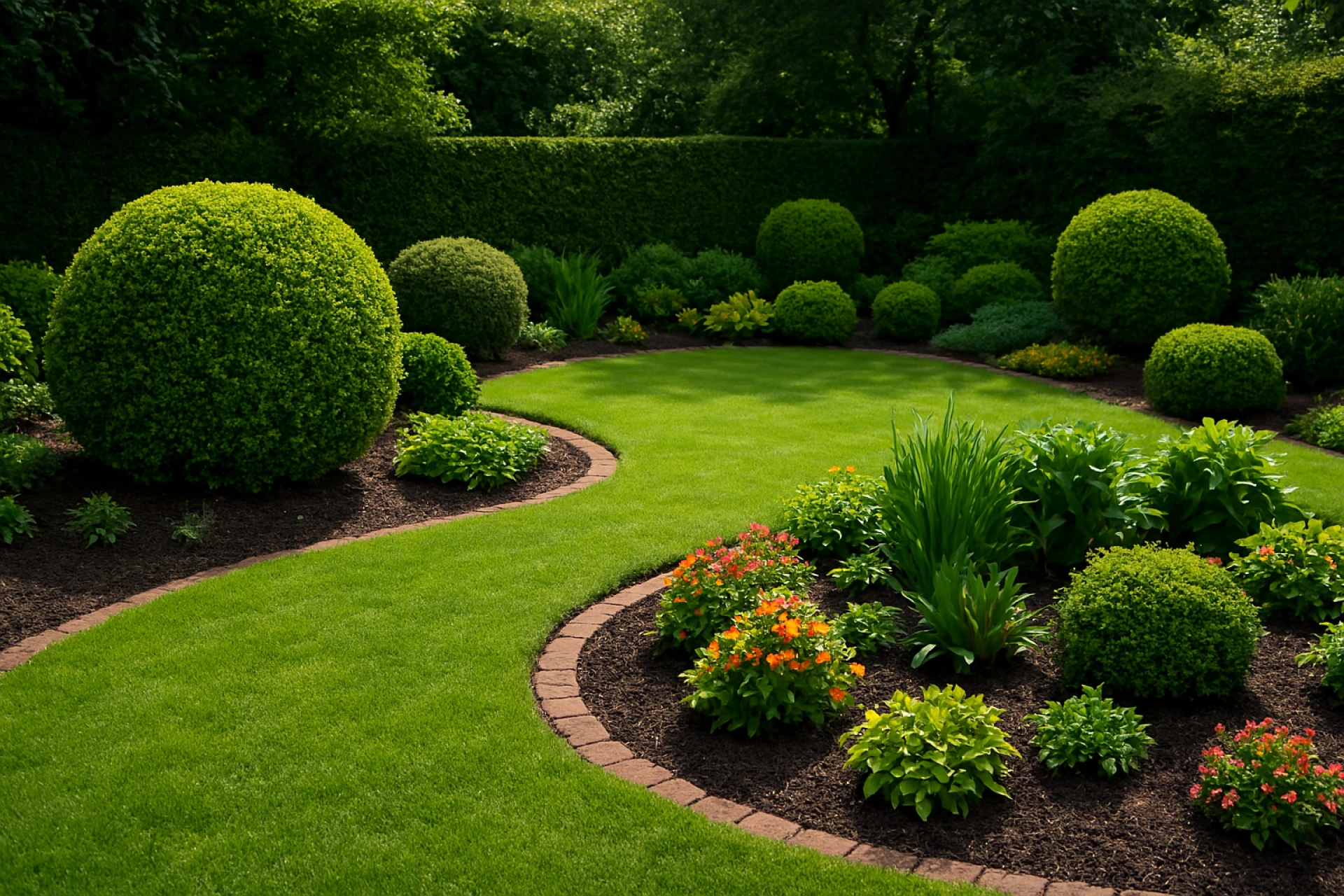
Gardens are living systems. They grow, change, and respond constantly to weather, soil conditions, and human interaction. Without regular intervention, even the most thoughtfully designed garden can become overgrown, unbalanced, and difficult to manage. This is where garden tidy ups play an essential role.
Often misunderstood as simple clean-ups, garden tidy ups are actually a form of preventative maintenance. They restore structure, support healthy plant growth, and prevent minor issues from turning into costly or time-consuming problems. Rather than reacting to neglect, tidy ups provide a reset that keeps outdoor spaces functioning as intended.
This article explores what garden tidy ups really involve, why they matter, and how regular tidy ups contribute to long-term garden health.
Why Gardens Lose Structure Over Time
Plants don’t grow evenly or politely. Some species grow faster than others, while weeds exploit gaps and weak areas. Without regular attention, gardens often lose their original balance.
Common causes include:
- Seasonal growth surges
- Infrequent pruning
- Accumulation of leaf litter and organic waste
- Weeds spreading unnoticed
- Edges blurring between lawn, beds, and paths
Over time, this leads to overcrowding, poor airflow, and stressed plants. A garden tidy up re-establishes structure before these issues escalate.
What a Garden Tidy Up Actually Involves
A proper garden tidy up goes beyond surface appearance. Its goal is to restore balance and functionality.
Key components typically include:
- Removing dead, diseased, or damaged plant material
- Pruning shrubs and plants to encourage controlled growth
- Clearing weeds from garden beds and borders
- Removing excess organic debris
- Redefining edges and garden boundaries
- Improving light penetration and airflow
Each task contributes to healthier plants and a more manageable garden moving forward.
How Tidy Ups Improve Plant Health
Plants benefit greatly from regular tidy ups. Overcrowded growth restricts airflow and sunlight, increasing the risk of disease and poor development.
By removing excess growth:
- Plants receive more light
- Moisture dries more evenly
- Disease pressure is reduced
- Energy is redirected into healthy growth
This results in stronger, more resilient plants that require less intervention over time.
Preventing Small Issues From Becoming Big Problems
One of the most important benefits of garden tidy ups is prevention.
Neglected gardens often develop:
- Pest hiding areas
- Fungal or bacterial disease
- Structural damage from overgrowth
- Soil compaction beneath debris
Regular tidy ups address these issues early, before they require drastic or expensive solutions.
Why Garden Tidy Ups Save Time in the Long Run
Skipping maintenance may seem like a time-saver, but it usually leads to longer, more intensive work later.
When gardens are tidied regularly:
- Maintenance sessions are shorter
- Growth remains manageable
- Fewer corrective actions are needed
Instead of overwhelming clean-ups, garden care becomes predictable and efficient.
Seasonal Timing and Garden Tidy Ups
Garden tidy ups are most effective when aligned with seasonal changes.
- Early growth seasons: Shape and guide new growth
- Peak growth periods: Prevent overcrowding and stress
- End of growth cycles: Prepare plants for dormancy or slower growth
This seasonal approach reduces shock to plants and supports long-term health.
Garden Tidy Ups and Outdoor Usability
Untidy gardens often limit how outdoor areas can be used. Overgrown plants can block pathways, reduce usable space, and create safety hazards.
Tidy ups help:
- Maintain clear access
- Preserve usable lawn and seating areas
- Improve visibility and layout
A tidy garden is easier to enjoy and maintain.
DIY vs Professional Garden Tidy Ups
While some property owners attempt tidy ups themselves, professional services often deliver better outcomes due to:
- Knowledge of correct pruning techniques
- Efficient waste handling
- Attention to plant-specific needs
- Early identification of underlying issues
Professional tidy ups focus on long-term garden performance rather than short-term appearance.
Why Regular Tidy Ups Support Sustainable Gardening
Healthy gardens require fewer chemical interventions. By maintaining structure and plant health naturally, tidy ups:
- Reduce pest and disease outbreaks
- Support balanced growth
- Lower long-term maintenance input
This makes garden care more sustainable and environmentally responsible.
Final Thoughts
Garden tidy ups are not just cosmetic tasks, they are an essential part of maintaining healthy, functional outdoor spaces. By restoring balance, improving plant health, and preventing future issues, tidy ups simplify long-term garden care.
A well-timed tidy up doesn’t just improve how a garden looks today; it ensures the garden remains manageable and healthy for years to come.























Sign in to leave a comment.