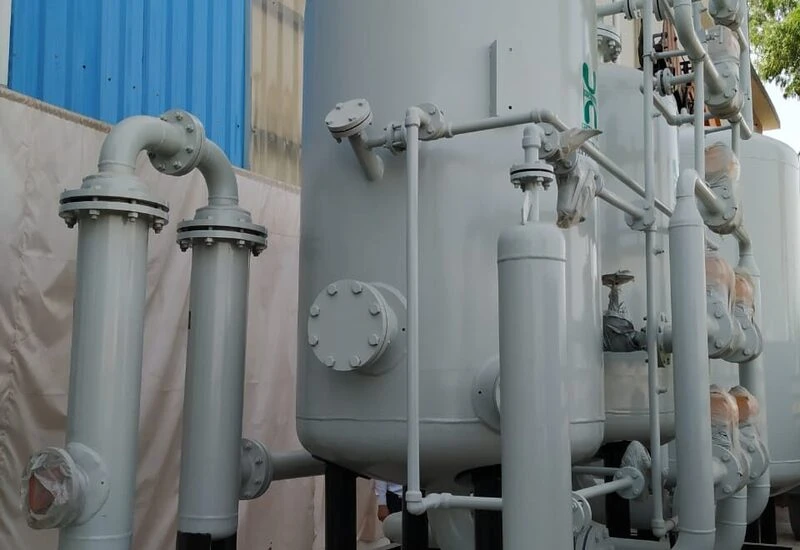

Natural gas has become one of the world’s most important energy sources. It powers homes, fuels industries, and plays a vital role in producing electricity. But before it reaches consumers, it undergoes an important transformation Gas Processing and Drying.
This step ensures the gas we use is clean, dry, and safe. Without it, the gas extracted from underground would be full of impurities and moisture, making it unsuitable for pipelines or combustion.
What Is Gas Processing?
When natural gas is extracted from the earth, it isn’t pure. It comes with water vapor, sand, oil droplets, hydrogen sulphide, carbon dioxide, and other contaminants.
Gas processing is the method used to remove these impurities. The goal is to produce pipeline-quality gas pure methane that meets industry and environmental standards.
This process ensures that gas burns efficiently and doesn’t damage pipelines or equipment.
What Is Gas Drying?
After impurities are removed, the next step is gas drying or gas dehydration.
This process eliminates moisture from the gas stream. Even small amounts of water vapor can lead to ice formation or corrosion inside pipelines, especially in cold regions or high-pressure systems.
Drying keeps the gas stable, prevents blockages, and extends the life of transport infrastructure.
Steps in Gas Processing and Drying
1. Separation: Liquids, sand, and solids are removed using separators.
2. Acid Gas Removal: Chemicals like amines are used to remove carbon dioxide and hydrogen sulphide.
3. Dehydration: Water vapor is extracted using glycol or molecular sieves.
4. Gas Sweetening: Remaining odors and traces of sulfur are eliminated.
5. Compression and Cooling: The purified gas is pressurized and cooled for transport.
These steps ensure the final product is clean, dry, and safe to deliver through pipelines.
Why Gas Processing and Drying Are Essential
Without these processes:
• Pipelines would corrode quickly.
• Ice could form inside gas lines, blocking flow.
• Pressure and temperature could fluctuate dangerously.
• End-users would receive gas of inconsistent quality.
That’s why gas processing and drying are considered the foundation of the natural gas industry.
Benefits of Efficient Gas Processing
1. Improved Safety: Removes toxic gases like hydrogen sulphide.
2. Better Quality: Ensures gas meets export and utility standards.
3. Equipment Protection: Reduces corrosion and mechanical failures.
4. Energy Efficiency: Clean gas burns better and produces more energy.
5. Environmental Benefits: Reduces harmful emissions and flaring.
Proper gas treatment not only supports energy efficiency but also promotes sustainability.
Spectron Group’s Role in Advanced Gas Processing
As energy demand increases, companies need reliable, efficient, and safe gas treatment systems. Spectron Group has developed advanced Gas Processing and Drying solutions that address modern challenges like fluctuating gas composition and energy consumption.
Their systems are known for:
• High efficiency and low energy use
• Modular, skid-mounted design for easy setup
• Automation for real-time monitoring
• Durable materials for long-term reliability
Spectron Group’s expertise helps industries deliver cleaner energy with reduced downtime and better performance.
Environmental and Economic Advantages
Gas processing and drying contribute to both the economy and the environment:
• Reduced greenhouse emissions through efficient capture and treatment
• Lower operational costs due to fewer breakdowns
• Extended equipment life thanks to corrosion prevention
• Increased gas recovery from production fields
• Safer working environments for employees
These combined benefits make the process vital for sustainable energy growth.
Global Importance
As nations move toward greener fuels, natural gas plays a key role in bridging the gap between traditional fossil fuels and renewable energy. But for this transition to succeed, the gas supplied must be clean and consistent something only proper gas processing and drying can guarantee.
Countries worldwide are investing in modern facilities to meet international quality and safety standards.
The Future of Gas Processing and Drying
Future advancements in this field will likely include:
• Automation and AI for monitoring gas purity in real time.
• Energy recovery systems to reuse heat and reduce waste.
• Eco-friendly absorbents for chemical treatment.
• Smaller, modular plants that can operate in remote areas.
Manufacturers like Spectron Group are leading this evolution, developing efficient systems that combine performance, safety, and sustainability.
Conclusion
The journey of natural gas from deep underground to a kitchen stove or power plant, depends heavily on the processes of gas processing and drying. These stages ensure the gas is safe, dry, and efficient for everyday use.
By investing in advanced systems from trusted manufacturers like Spectron Group, industries can deliver high-quality energy while maintaining environmental responsibility.




























Sign in to leave a comment.