

Crude oil is often called “black gold,” but before it becomes valuable, it needs a lot of treatment. The oil that comes out of wells is mixed with gas, water, sand, and salt. If this raw crude is transported or refined directly, it can damage pipelines, increase costs, and lower the quality of fuel produced later. To avoid these problems, the oil and gas industry uses Crude Conditioning Plants.
These plants play a crucial role in making crude oil safe, stable, and ready for use. Let’s understand why they are so essential in today’s oil and gas sector.
What Is a Crude Conditioning Plant?
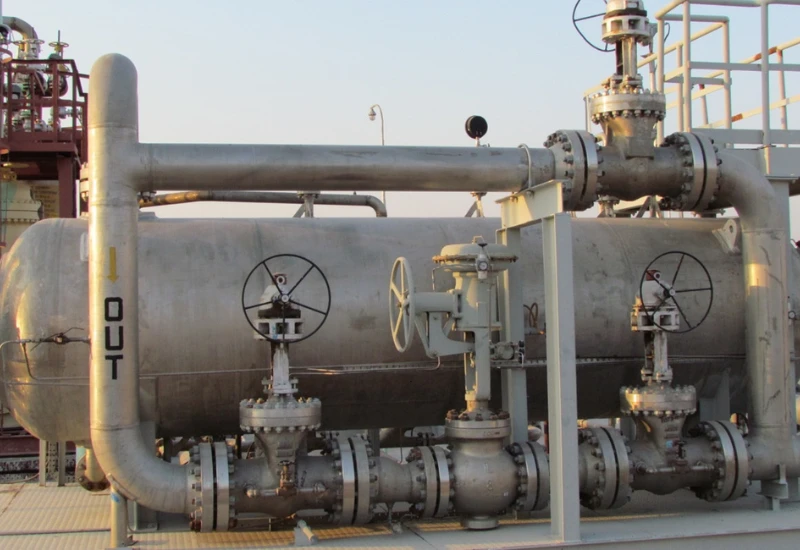
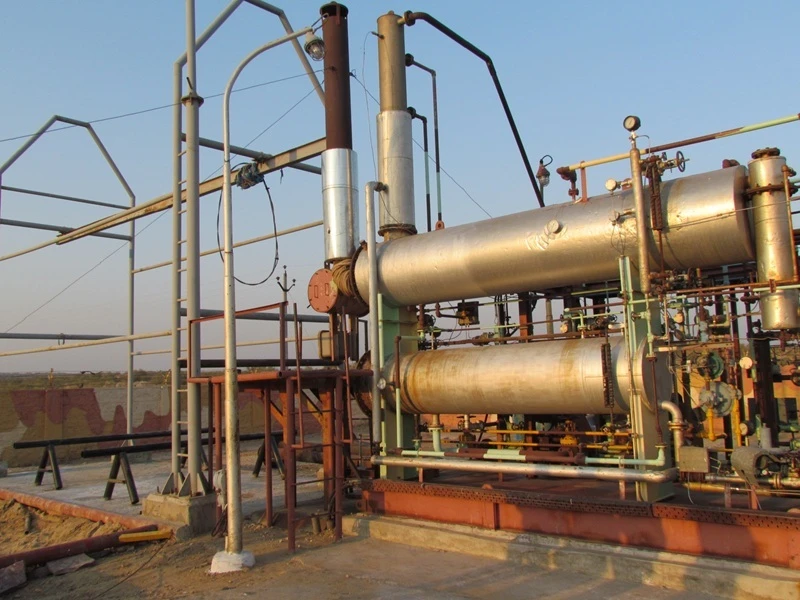
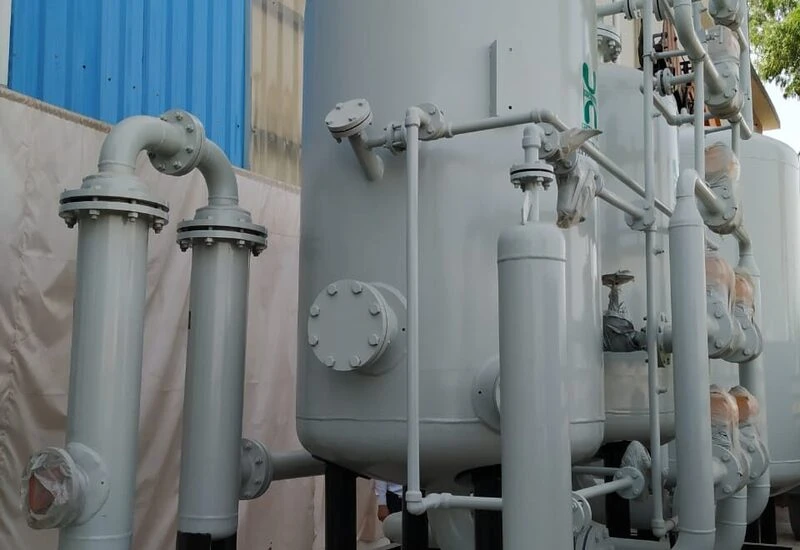
A Crude Conditioning Plant is a facility designed to treat raw crude oil before it goes to refineries or storage units. Its main purpose is to remove impurities such as:
• Free and emulsified water
• Dissolved gases
• Salts and sediments
• Lighter hydrocarbons
This process ensures that the crude oil meets strict transport and quality standards. It also reduces risks like corrosion, leaks, and unstable pressure during storage or transport.
Why Crude Conditioning Plants Are Essential
1. Improving Safety
Raw crude often contains gases that make it unstable. Crude conditioning removes these gases, reducing explosion and fire risks.
2. Protecting Equipment
Salts and water cause corrosion inside pipelines and tanks. Conditioning prevents costly equipment damage and extends their lifespan.
3. Reducing Environmental Impact
Clean crude produces fewer emissions and leaks, helping companies meet environmental regulations.
4. Enhancing Refining Efficiency
Refineries work best with clean, stable crude oil. Conditioning ensures smooth downstream operations and better-quality refined products.
5. Ensuring Profitability
Higher-quality crude fetches a better market price and reduces maintenance costs — improving overall profitability.
How Crude Conditioning Works
The process generally includes the following steps:
• Separation: Separates gas, oil, and water from the raw mixture.
• Heating: Raises the temperature to break oil-water emulsions.
• Dehydration and Desalting: Removes water and salts using electrostatic and chemical methods.
• Stabilization: Removes light gases to make crude safer for transport.
• Quality Testing: Ensures the final crude meets export or refinery requirements.
This step-by-step treatment transforms crude from a raw material into a refined-ready feedstock.
Role of Technology and Innovation
Modern crude conditioning plants are built using advanced automation, real-time monitoring, and energy-efficient designs. These technologies make the process faster, safer, and more consistent. They also reduce human error and lower operational costs.
Spectron Group, a trusted name in oil and gas solutions, provides such technologically advanced crude conditioning plants. Their systems are designed for high performance, durability, and minimal energy use making them a reliable choice for both large and mid-size oil companies.
Benefits to the Oil and Gas Industry
• Stable Supply Chain: Crude that meets quality standards ensures smooth transportation and refining.
• Lower Maintenance Costs: Reduced corrosion and deposits mean fewer shutdowns.
• Operational Safety: Stable crude minimizes accidents and pressure build-up.
• Environmental Compliance: Helps companies follow global emission and waste control standards.
• Economic Efficiency: Better yield and fewer losses during processing.
These benefits show why every oil-producing company relies on crude conditioning plants as a key part of their infrastructure.
Spectron Group’s Industry Contribution
Spectron Group has been a consistent innovator in the oil and gas sector. Their crude conditioning systems are:
• Custom-engineered for different types of crude oil
• Designed for harsh field conditions
• Supported by expert technical teams
By focusing on efficiency and reliability, Spectron helps companies achieve better production results while maintaining safety and sustainability.
Future Outlook
As energy demand grows, so does the need for efficient and safe oil processing systems. The future of crude conditioning will involve:
• Digital Monitoring: Real-time data analytics for better control
• Energy-Efficient Systems: Use of heat recovery and low-power equipment
• Sustainable Practices: Reduced emissions and improved waste management
Companies that adopt modern conditioning technologies early will gain a competitive edge in both performance and environmental responsibility.
Conclusion
Crude conditioning plants is important for the oil and gas industry. They make raw crude safe, stable, and ready for refining ensuring that every drop of oil extracted can be used efficiently.
With dependable solutions from Spectron Group, oil producers can achieve better quality, improved safety, and long-term cost savings. As the world moves toward more responsible energy production, crude conditioning plants will continue to play a central role in shaping the future of oil and gas operations.



























Sign in to leave a comment.