
In industries where gases like oxygen, hydrogen, nitrogen, or carbon dioxide are used, safety and control are two of the most critical priorities. Whether it’s a hospital, a chemical factory, or a research lab, even a small gas leak or pressure imbalance can cause major risks.
To ensure complete safety and reliable gas flow, industries around the world have started using Mono Block Gas Systems compact, efficient, and highly secure solutions for managing gases.
Understanding the Mono Block Gas System
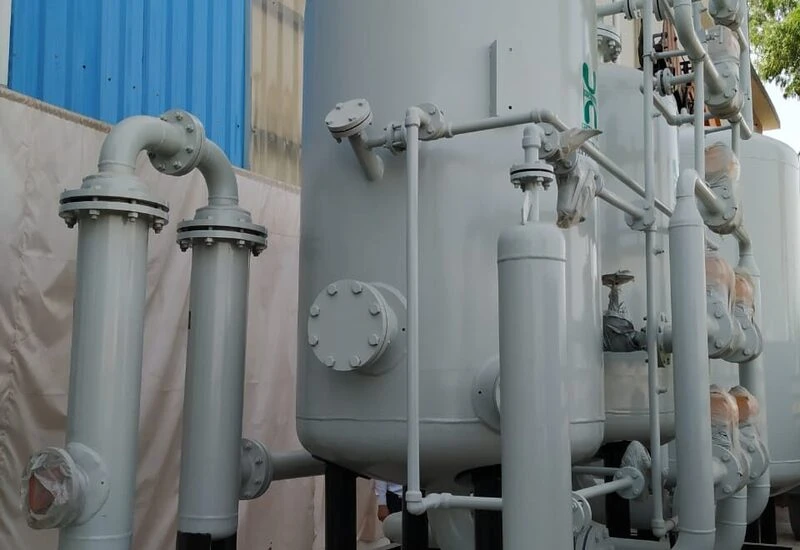
A Mono Block Gas System is a single integrated unit that controls gas flow from the source like a gas cylinder or a central storage tank to the point of use.
Unlike older systems where several separate components (like valves, regulators, and pipes) were connected manually, the mono block design combines everything in one solid piece.
This simple yet smart structure makes it:
• Leak-resistant, since it has fewer joints
• Space-saving, ideal for compact environments
• Easy to install, with pre-connected components
• Highly durable, thanks to strong, corrosion-resistant materials
These systems are designed to handle both low and high-pressure gases safely.
How It Works
While the technology may sound complex, the operation is quite straightforward.
1. Gas Input: Gas enters the system from a cylinder or central manifold.
2. Pressure Control: Built-in regulators adjust the pressure to a safe level.
3. Flow Adjustment: Valves allow operators to control the gas flow precisely.
4. Monitoring: Gauges display real-time pressure readings for safety.
5. Distribution: The processed gas is supplied to equipment, instruments, or outlets.
Because all these steps occur within one integrated block, the chance of human error or leakage is much lower.
Why Industries Prefer Mono Block Gas Systems
There are several reasons why industries rely on this system for daily operations:
• 1. Safety First:
The biggest advantage is safety. Fewer joints and fittings mean fewer leak points. This is especially important in sectors handling flammable or toxic gases.
• 2. Compact and Neat Design:
Traditional systems often involve a lot of piping and connections. The mono block system saves space and looks cleaner while improving functionality.
• 3. Easy to Maintain:
With fewer parts, maintenance becomes quick and simple. Most issues can be identified visually.
• 4. Consistent Performance:
Built-in regulators ensure the pressure and flow remain stable even when cylinder pressure drops.
• 5. Long Life:
High-quality materials like stainless steel or brass make the system corrosion-resistant and durable.
Where Are Mono Block Gas Systems Used?
These systems are highly versatile and are used across a variety of industries:
• Medical and Healthcare: For controlling medical oxygen and anesthesia gases safely.
• Laboratories: For delivering gases like hydrogen, nitrogen, or argon to research equipment.
• Manufacturing: For welding, laser cutting, or chemical processes.
• Food and Beverage: For carbonation, packaging, and controlled storage environments.
• Pharmaceutical: To maintain precise environmental conditions during production.
Each of these industries requires accurate gas control, which mono block systems provide effectively.
Spectron Group’s Contribution to Gas Safety
As industries modernize, many are turning to trusted manufacturers like Spectron Group, known for producing high-quality Mono Block Gas Systems designed to meet global safety standards.
Their systems are engineered for:
• Maximum leak protection through precision-built joints
• User-friendly installation and operation
• Energy-efficient performance that reduces waste
• Durability under high-pressure applications
Spectron Group’s systems are widely used in industrial plants, laboratories, and healthcare facilities where safety cannot be compromised.
Advantages Over Conventional Gas Systems
Older systems with separate valves and regulators required manual assembly, which increased the risk of leaks and pressure drops. Mono block systems offer a modern alternative:
• Integrated structure = less chance of gas escaping
• Pre-calibrated pressure regulators = consistent output
• Simpler layout = reduced installation time
• Better visibility = easier to monitor system health
These benefits make mono block systems the smarter, safer option for today’s operations.
Maintenance and Safety Tips
Even though mono block gas systems are safer, regular maintenance keeps them efficient:
• Check pressure gauges regularly.
• Inspect for signs of corrosion or wear.
• Clean valves and fittings periodically.
• Train operators to recognize warning signs like hissing sounds or pressure fluctuations.
By following these simple steps, you can ensure years of trouble-free use.
The Future of Mono Block Gas Systems
As automation and digital control become more common, future versions of mono block systems are expected to include:
• Smart sensors for leak detection
• Digital pressure monitoring via control panels
• Automatic shutdown systems during pressure surges
• Eco-friendly materials for sustainability
Manufacturers like Spectron Group are already developing such innovations, combining safety with cutting-edge technology.
Conclusion
A Mono Block Gas System is more than just a technical device it’s a vital part of industrial safety. It ensures that gases are controlled, regulated, and delivered safely to where they’re needed.
With reliable manufacturers like Spectron Group, industries can confidently adopt these systems knowing they meet the highest standards of performance and protection.
From laboratories to large-scale plants, the mono block gas system has become the trusted choice for safety, simplicity, and reliability in modern gas handling.




























Sign in to leave a comment.