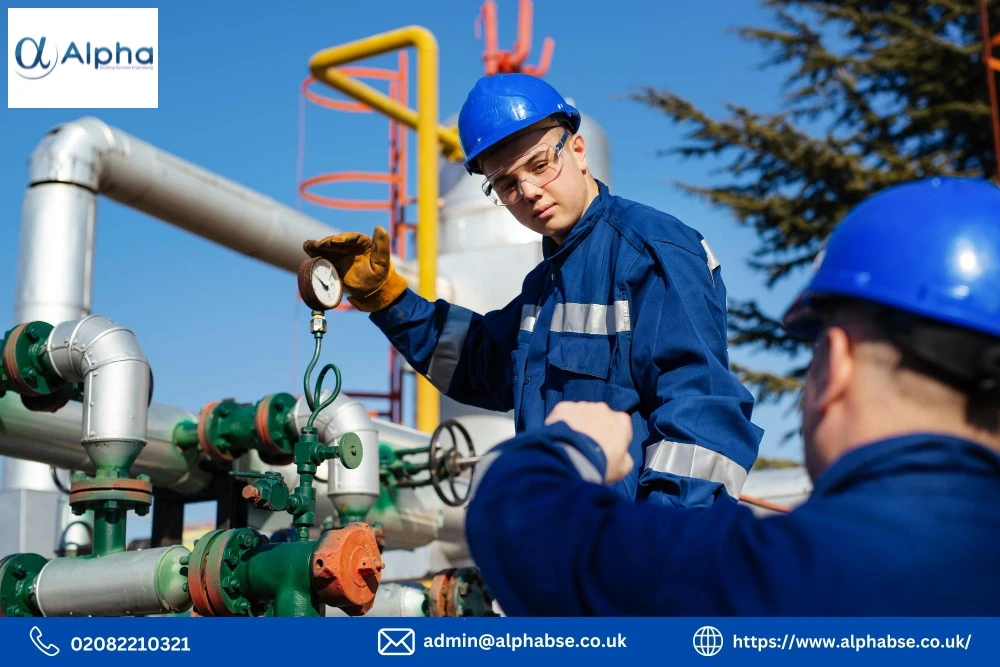

Gas training courses prepare learners for safe, compliant domestic gas work in the UK. These programmes cover industry regulations, practical skills, and the assessment routes required for Gas Safe registration. London maintains a high demand for accredited training due to a large housing stock, extensive boiler usage, and strong employment needs across heating and energy services. Learners access structured courses that combine theory, workshops, supervised onsite tasks, and recognised assessments. Training centres use industry-standard equipment, certificated assessors, and approved awarding bodies to deliver qualifications that align with UK gas safety laws.
What Are Gas Training Courses and How Do They Work?
Gas training courses teach the knowledge, skills, and legal requirements needed for domestic gas work. These programmes follow industry standards set by Gas Safe Register, IGEM, and awarding bodies such as BPEC, City & Guilds, and LCL Awards. Course content covers safety rules, system components, installation practices, and diagnostic techniques. Training combines classroom theory with structured hands-on practice in controlled workshop environments. Domestic courses focus on boilers, heating systems, cookers, and unvented hot water systems.
Which Skills Do You Learn in a Gas Training Course?
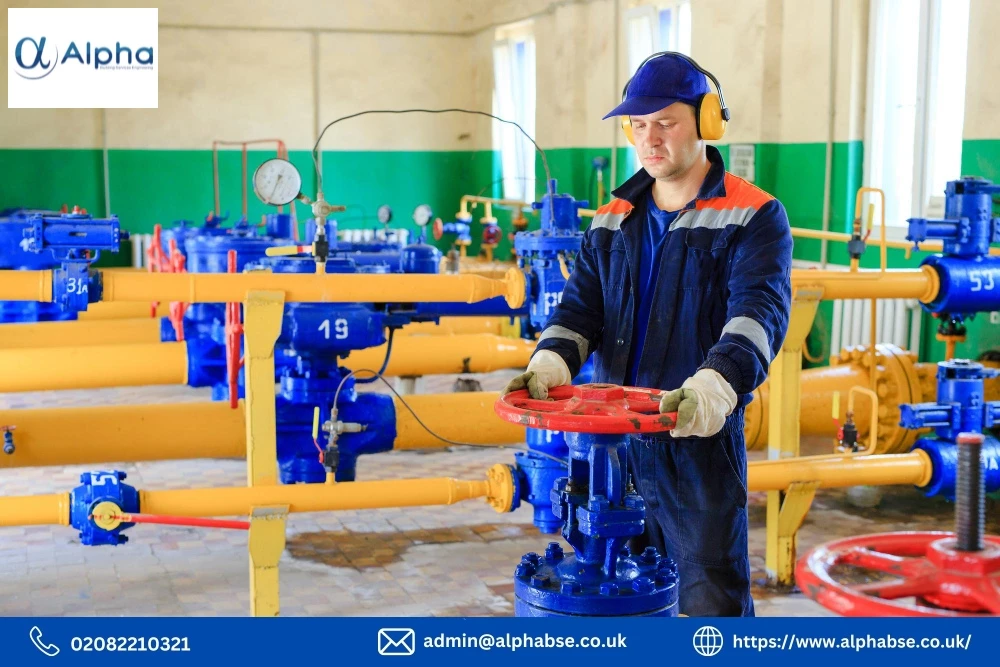
Learners gain practical skills used daily in domestic heating work. These include copper pipe fabrication, jointing, soldering, tightness testing, pressure testing, purging, appliance servicing, boiler diagnostics, flue gas analysis, and commissioning checks. Trainees also learn regulatory requirements covering ventilation, flueing, unsafe situations, and Building Regulations compliance. Courses introduce system types such as combi boilers, heat-only boilers, system boilers, and LPG installations.
Who Needs to Take a Gas Training Course?
New entrants, career changers, and heating installers require structured training before working on gas appliances. Domestic engineers renew ACS qualifications every five years. Electrical installers, plumbers, and property maintenance technicians complete gas courses when expanding into heating-related roles. Employers require new staff to hold recognised qualifications before completing supervised onsite work.
How Do You Become a Gas Safe Registered Engineer in the UK?
The route to Gas Safe registration follows a defined sequence that includes structured training, supervised work, competence assessment, and registration approval. This pathway ensures engineers demonstrate technical ability and regulatory compliance.
Step 1 — Enrol on a Managed Learning Programme (MLP)
A Managed Learning Programme provides a structured training route for new entrants who lack prior gas experience. MLPs follow an approved syllabus set by awarding bodies. Programmes typically run for 20–30 weeks depending on delivery format. Content covers gas safety rules, appliance types, combustion science, installation practice, pipework fabrication, system commissioning, and diagnostic methods. MLPs replace traditional apprenticeships for adult learners and offer a controlled, measurable route into the industry.
Step 2 — Complete a Gas Portfolio of Evidence
Learners complete supervised onsite work to build a documented portfolio. Evidence includes photographs, job logs, tightness tests, commissioning sheets, appliance service records, risk assessments, and assessor observations. The portfolio demonstrates competence across real installations, servicing tasks, and repairs. A qualified Gas Safe Registered engineer supervises each activity. Assessors verify the evidence before booking ACS assessments.
Step 3 — Pass ACS CCN1 Assessments
ACS CCN1 (Core Gas Safety) provides the technical benchmark for domestic gas competence. Assessments include theory exams, practical tests, and fault-finding tasks. CCN1 covers combustion, flueing, testing, ventilation, pipework, unsafe situations, pressure calculations, and tightness checks. Engineers complete additional modules such as CENWAT for boilers and water heaters, CKR1 for cookers, and HTR1 for space heaters.
Step 4 — Apply to the Gas Safe Register
Gas Safe registration requires proof of ACS qualification, identity verification, and business details. Registration grants permission to legally work on gas appliances in the UK. Engineers receive a licence, ID card, and listing on the national register. Employers verify registration before assigning gas-related tasks.
What Is ACS Certification and Why Do Gas Engineers Need It?
ACS (Accredited Certification Scheme) confirms technical competence for domestic gas work. UK law requires engineers to hold current ACS qualifications for installation, servicing, and repair tasks. Assessment centres test candidates using a standardised framework aligned with industry safety rules.
CCN1 — Core Gas Safety
CCN1 covers system components, pressures, gas rates, unsafe situations, ventilation rules, flueing, combustion science, and appliance checks. Candidates complete written exams and practical assessments under controlled conditions. This qualification forms the foundation for all domestic gas work.
CPA1 — Combustion Analysis
CPA1 teaches flue gas analysis using approved analysers. Engineers measure CO₂, CO, and combustion ratios to verify correct boiler operation. Assessment includes instrument setup, boiler testing, and interpretation of digital readings.
Appliance Modules (CENWAT, CKR1, HTR1)
Engineers select appliance modules that match the systems they install or service.
CENWAT covers boilers and water heaters. CKR1 covers cookers. HTR1 covers gas fires and space heaters. These extend CCN1 and enable appliance-specific certification.
Which Gas Training Courses Are Best for Beginners in London?
Beginner courses in London follow the Managed Learning Programme structure. These courses provide foundation knowledge, practical training, and supervised onsite work required for ACS eligibility. Training centres deliver structured timetables that balance theory, workshops, and portfolio support.
Domestic Gas Course Overview
Domestic gas courses for new entrants typically run for 20–30 weeks. Delivery includes classroom modules, hands-on training bays, live boiler setups, assessment preparation, and portfolio guidance. Course topics cover gas safety, pipework fabrication, boiler components, installation practice, testing, and diagnostic methods.
Fast-Track and Weekend Options
Fast-track formats shorten delivery by increasing the intensity of weekly training hours. Weekend courses support learners with weekday commitments. These formats require consistent attendance and strong engagement due to the compressed schedule.
Which Advanced Gas Training Courses Should Working Engineers Consider?
Experienced engineers access advanced courses to renew qualifications or gain new skills. London training centres offer structured programmes aligned with industry needs.
- ACS Reassessment Courses: ACS reassessment occurs every five years. Engineers refresh knowledge on gas safety rules, combustion, flueing, appliance servicing, unsafe situations, and system testing. Assessment centres deliver updated regulatory content before testing.
- Boiler Fault-Finding Courses: Fault-finding courses teach structured diagnostic methods using real boilers and multi-brand components. Engineers learn to test sensors, valves, pumps, and PCB systems using flue gas analysers and multimeters. These courses improve repair accuracy and reduce call-out times.
- LPG Conversion Courses: LPG conversion training certifies engineers to work on LPG appliances in domestic and leisure environments. Modules cover LPG properties, installation practices, regulation changes, and safety checks.
What Practical Skills Do You Learn During Gas Training?
Gas training builds operational competence for installation, commissioning, servicing, and repair tasks.
- Pipework Fabrication & Soldering: Learners practise copper pipe bending, jointing, soldering, and routing. Training covers material selection, sizing calculations, flow requirements, and securing methods.
- Tightness Testing and Purging: Trainees complete tightness tests using manometers to verify system integrity. Purging procedures ensure safe removal of air or gas before appliance operation.
- Boiler Commissioning and Diagnostics: Learners perform commissioning tasks including gas rate checks, flue integrity tests, combustion analysis, pressure adjustments, and safety device verification. Diagnostic training uses real faults to build problem-solving skills.
Which Accredited Gas Training Providers Operate in London?
Training providers in London follow awarding body rules and use certified assessors. Accreditation ensures course quality, compliance, and recognition.
- City & Guilds Centres: City & Guilds centres deliver structured domestic gas pathways with approved workshops and assessment facilities.
- BPEC Training Centres: BPEC centres offer MLP programmes, ACS assessments, and specialist heating qualifications.
- LCL Awards Training Providers: LCL Awards centres deliver domestic gas, heat pump, unvented hot water, and energy efficiency qualifications.
How Much Do Gas Training Courses Cost in London?
Training costs vary by course type, course length, awarding body, and centre facilities.
- Beginner Course Fees (MLP): Typical MLP pricing ranges between £3,500 and £6,000 depending on course duration and support.
- ACS Initial & Reassessment Costs: ACS initial assessments cost between £1,200 and £1,800. ACS reassessment costs range from £600 to £900.
- Funding and Payment Plans: Training centres offer payment plans, deposit options, or instalment schedules. Some learners access employer-funded training through workplace development schemes.
Where Can You Complete Gas Training in London?
London offers multiple training centres across different boroughs to support “near me” searches and local travel needs.
- North London Training Centres: Centres in Enfield, Tottenham, and Edmonton provide MLP and ACS services.
- East London Practical Workshops: Centres in Stratford, Barking, and Canning Town offer workshop-based training facilities.
- South & West London Accredited Centres: Centres in Croydon, Hounslow, and Wembley deliver accredited gas and heating qualifications.
What Career Paths Can You Follow After Gas Training?
Gas training supports employment across heating, energy, and property services.
- Working for Heating Companies: Engineers join boiler manufacturers, service firms, housing associations, and maintenance contractors.
- Starting as a Self-Employed Engineer: Engineers operate as independent contractors supporting installation, repair, and servicing work across domestic properties.
- Progression to Renewable Heating (e.g., Heat Pumps): Engineers progress into heat pump installation, energy efficiency upgrades, and hybrid heating solutions.
How Do Gas Training Courses Compare to Plumbing Courses?
Domestic plumbing focuses on water systems, drainage, bathrooms, and pipework.
Domestic gas focuses on combustion, fuel supply, appliance safety, and heating systems.
- Skill Differences: Plumbing courses develop skills in sanitary systems, drainage, and water supply. Gas courses develop skills in combustion, flueing, appliance safety, and boiler diagnostics.
- Qualification Differences: Plumbers train through Level 2 and Level 3 plumbing qualifications. Gas engineers complete MLP training followed by ACS assessments.
- Career & Salary Differences: Plumbers work across domestic and commercial water systems. Gas engineers work across boilers, heating systems, and fuel appliances with higher earning potential in London.
Final Thoughts
Gas training courses in London provide structured routes into domestic gas work through accredited centres, approved qualifications, and supervised learning programmes. The pathway includes MLP training, portfolio development, ACS assessments, and Gas Safe registration. Engineers gain practical skills, regulatory understanding, and job-ready competence for heating and energy roles. London offers extensive training options supported by recognised awarding bodies, modern workshops, and skilled assessors.
Frequently Asked Questions (FAQs)
Q: How long does it take to become a gas engineer?
A: Typical timescales range between 6 and 12 months depending on training pace and portfolio completion.
Q: Is a portfolio required for ACS?
A: New entrants require a portfolio before booking ACS assessments.
Q: Can beginners enter without experience?
A: Beginners enter through a Managed Learning Programme.
Q: Are fast-track gas courses worth it?
A: Fast-track formats suit learners who maintain consistent attendance and strong engagement.
Q: Do I need G3 Unvented with gas training?
A: G3 unvented certification supports work on hot water cylinders and increases employability.































Sign in to leave a comment.