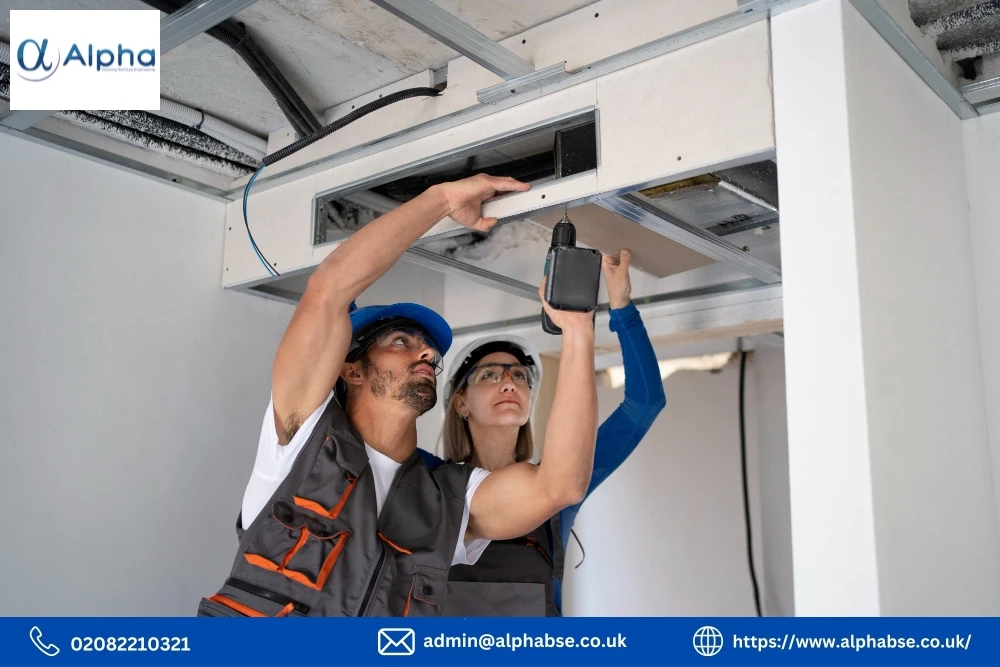

Air source heat pump courses provide accredited training for professionals aiming to install, design, and maintain renewable heating systems. With rising demand in the UK due to government incentives and decarbonisation targets, these courses are now essential for heating engineers, plumbers, and technicians who want to upskill and future-proof their careers.
What Are Air Source Heat Pumps (ASHPs)?
Air Source Heat Pumps (ASHPs) transfer heat from outdoor air into buildings to provide heating and hot water. They are central to the UK’s net-zero energy strategy and a fast-growing alternative to gas boilers.
How Do Air Source Heat Pumps Work?
ASHPs use refrigerant circuits to absorb low-temperature heat from outside air, compress it, and release higher-temperature heat indoors. The process is efficient and works even in colder weather.
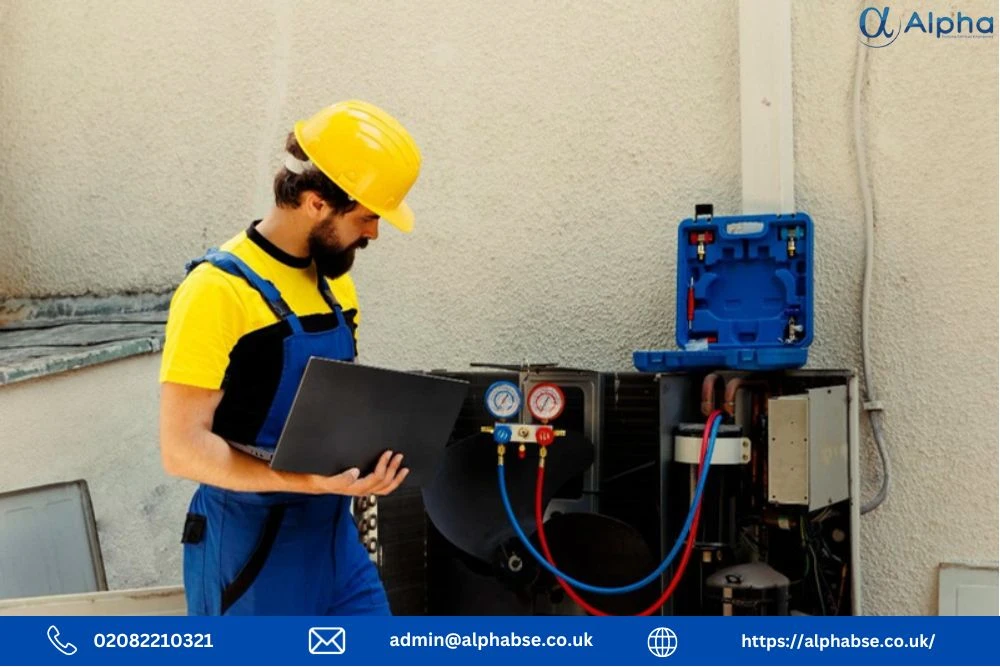
Key Components – Refrigerant Circuits, Compressors, Heat Emitters
The main components include:
- Evaporator – extracts heat from outside air.
- Compressor – increases refrigerant pressure and temperature.
- Condenser – transfers heat into radiators or underfloor systems.
- Expansion valve – regulates refrigerant flow.
Benefits of ASHPs for Homes and Businesses
ASHPs reduce carbon emissions, lower running costs, and qualify for financial incentives. Businesses installing them improve sustainability credentials and meet regulatory requirements.
Why Take an Air Source Heat Pump Course?
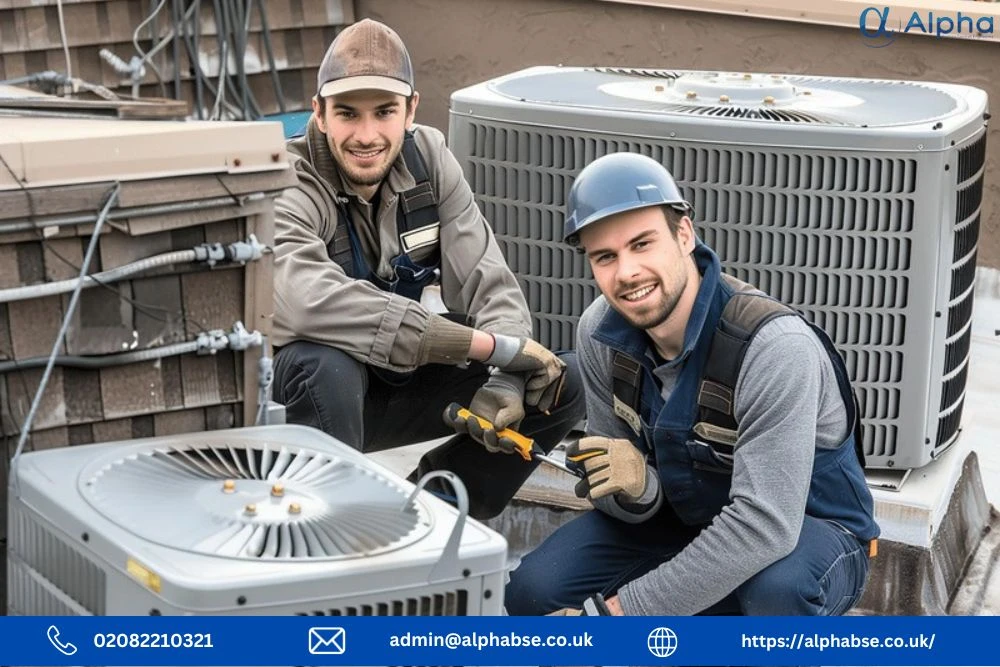
Heat pump training prepares professionals to handle design, installation, and maintenance of ASHP systems while ensuring compliance with industry standards.
Career Benefits for Heating Engineers and Installers
Engineers who train in ASHPs expand their service offering, attract eco-conscious clients, and increase earning potential.
Meeting UK Decarbonisation Targets and Regulations
The UK government plans to install 600,000 heat pumps annually by 2028. Trained professionals are vital to meeting this target.
Access to Government Grants and Incentives
Only accredited installers can deliver systems eligible for schemes like the Boiler Upgrade Scheme (BUS). Training unlocks access to these opportunities.
Types of Air Source Heat Pump Courses in the UK
Training programmes vary by level of expertise, from beginners to experienced installers.
Beginner Courses – Introduction to Heat Pump Systems
Ideal for professionals new to renewable heating, these courses cover ASHP basics, system design principles, and safe installation practices.
Advanced Courses – System Design, Heat Loss Calculations, and Sizing
Advanced modules teach complex skills such as calculating heat loss, selecting correct system sizes, and integrating with hot water and low-temperature heating systems.
Short CPD Training vs. Full Qualifications
CPD (Continuing Professional Development) courses refresh existing knowledge, while full qualifications (e.g., City & Guilds, MCS) provide industry-recognised certification.
Accredited Air Source Heat Pump Training & Certification
Certification is key to proving competence and meeting UK compliance standards.
City & Guilds ASHP Qualifications
City & Guilds offers Level 3 qualifications in ASHP installation and maintenance, widely respected across the heating industry.
MCS (Microgeneration Certification Scheme) Requirements
MCS approval is required for installers to access government grants and subsidies. Completing accredited training is the first step.
OFTEC, LCL Awards, and BPEC Certification Pathways
Alternative certification bodies such as OFTEC, LCL Awards, and BPEC also deliver recognised qualifications, providing flexible options for learners.
Core Skills Covered in Heat Pump Training
Air source heat pump courses combine theoretical knowledge with practical workshops.
Installation and Commissioning of ASHP Systems
Students learn step-by-step installation, testing, and safe commissioning of systems.
Heat Loss Calculations and System Sizing
Accurate system sizing ensures efficiency, reduces energy waste, and maximises customer satisfaction.
Integration with Hot Water Systems and Low-Temperature Heating
Training includes integration with underfloor heating, radiators, and hot water cylinders.
Maintenance, Fault-Finding, and Repairs
Engineers gain skills in diagnosing system faults, preventive maintenance, and carrying out safe repairs.
Who Should Take Air Source Heat Pump Courses?
These courses are tailored to professionals in heating, plumbing, and renewable energy.
Heating Engineers and Gas Installers
Gas engineers moving into renewable heating can future-proof their business.
Plumbers and Technicians
Plumbers gain new skills and can diversify into ASHP installations.
Renewable Energy Specialists and Contractors
Contractors expand their services, making them eligible for MCS projects and large-scale contracts.
UK Regulations and Compliance for ASHP Installers
Compliance ensures installations are safe, legal, and grant-approved.
Building Regulations and WRAS (Water Regulations Advisory Scheme)
Installers must follow UK building regulations and WRAS water safety standards.
Health and Safety Requirements
Courses teach safe handling of refrigerants, electrical safety, and workplace best practice.
Government Grants and Boiler Upgrade Scheme (BUS)
Only MCS-certified installers can apply BUS funding for customers, making training essential.
Leading UK Training Providers for Air Source Heat Pump Courses
Several providers deliver MCS-approved training in the UK.
Alpha BSE Training
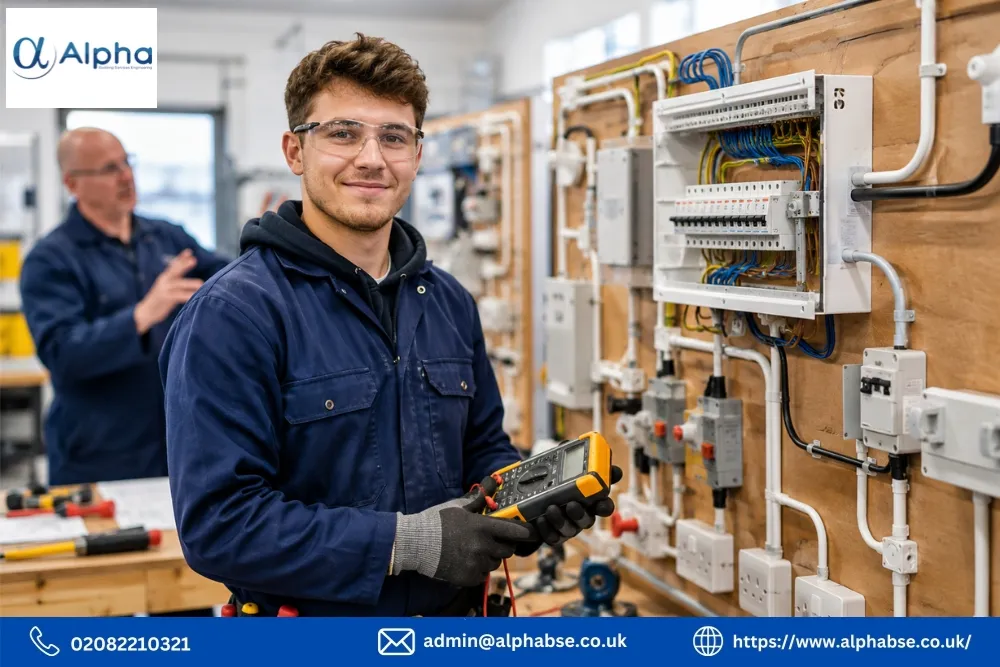
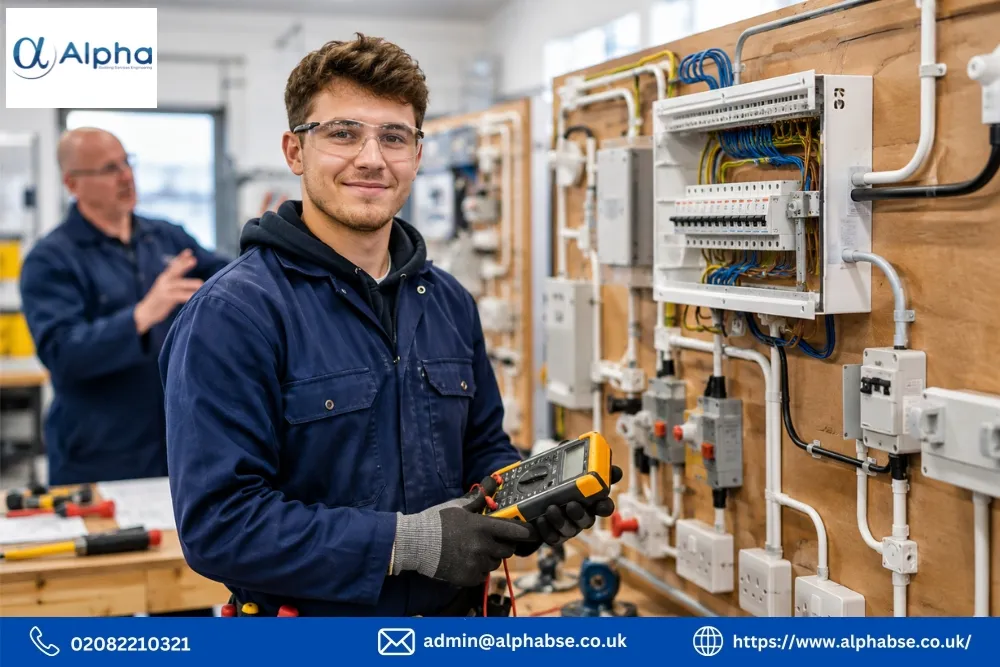
Provides hands-on workshops and accredited Air Source Heat Pump courses for heating engineers, plumbers, and technicians.
GTEC Training Solutions
Offers practical workshops and MCS-recognised qualifications for ASHP installers.
City & Guilds Training Centres
Provides Level 3 vocational qualifications across the UK.
OFTEC-Approved Providers
Accredited centres delivering flexible certification routes for heating engineers.

Costs and Duration of Air Source Heat Pump Training
Training costs and duration vary depending on course type.
Typical Course Duration (2–5 Days)
Most courses last between two and five days, combining classroom learning with practical workshops.
Cost Range for Accredited Courses (£500–£1,500)
Fees range from £500 to £1,500 depending on provider, course level, and certification included.
Funding Options and Employer Support
Some employers contribute towards training, while government initiatives may reduce costs for eligible professionals.
Career Opportunities After Heat Pump Training
Heat pump training opens the door to new professional opportunities.
Becoming an MCS-Approved Installer
Certification allows installers to take on government-backed projects.
Expanding Plumbing and Heating Business Services
Businesses can add ASHP installations to their services, increasing revenue potential.
Job Demand in the Renewable Energy Sector
The renewable energy sector is expanding rapidly, ensuring long-term job security for trained installers.
Final Thought
Air Source Heat Pump courses provide accredited qualifications that prepare professionals for the growing renewable heating sector. With UK decarbonisation targets, financial incentives, and increasing customer demand, now is the best time to invest in heat pump training. By completing an accredited course, you’ll gain the skills, certification, and career opportunities needed to thrive in a sustainable future.
Frequently Asked Questions About Air Source Heat Pump Courses
Q: Do I need prior plumbing or heating qualifications?
A: Yes. Most providers require candidates to have plumbing, heating, or electrical experience.
Q: What is the difference between ASHP and GSHP courses?
A: ASHPs draw heat from the air, while GSHPs use ground-source technology. Training covers different installation methods.
Q: Can I get funding for heat pump training?
A: Funding options depend on government schemes and employer support. Some providers also offer payment plans.
Q: Which certificate is best for career progression?
A: City & Guilds Level 3 and MCS certification are the most widely recognised qualifications in the UK.
Q: Are courses available online or only in training centres?
A: Theory modules may be online, but practical skills require in-person training at accredited centres.


























Sign in to leave a comment.