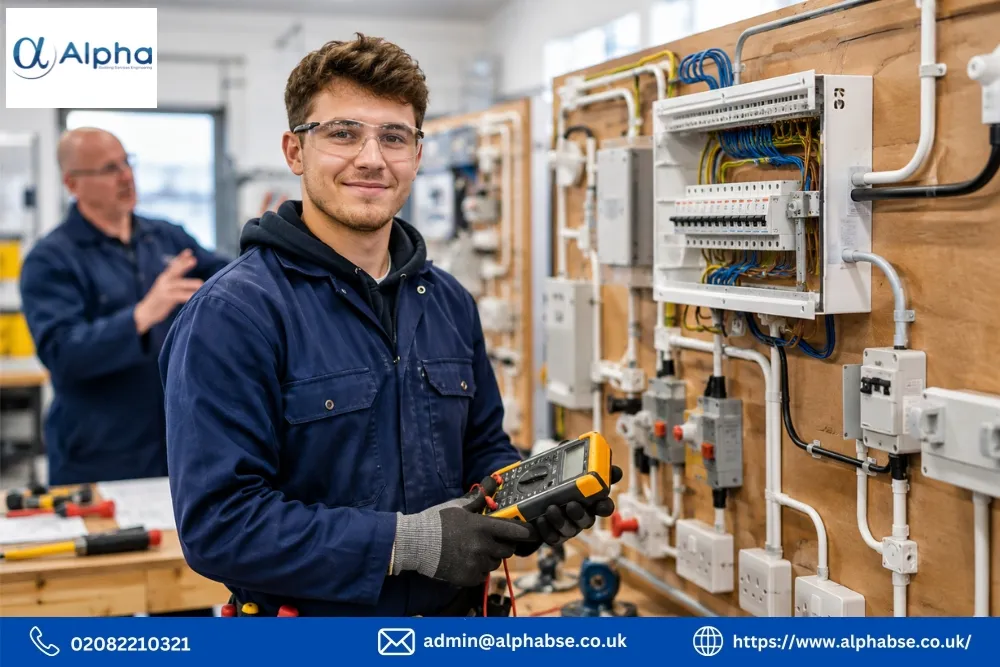

If you're searching for "electrical training courses near me," you're probably at one of two points in your career: you're thinking about becoming an electrician from scratch, or you already work in the trade and need to top up your qualifications. Either way, the choice of course matters more than most people realise. Pick the wrong one and you could spend months and hundreds of pounds without moving any closer to actually working on-site legally.
This guide walks through how UK electrical training actually works, what qualifications you need at each stage, how to judge whether a local provider is worth your money, and what questions to ask before you sign up for anything.
Why Location Still Matters, Even With Online Learning
A lot of electrical training now includes online theory modules, but electrical work is a hands-on trade. You cannot become competent at wiring a consumer unit or testing a circuit by watching videos alone. That's why searching locally still makes sense: you need a training centre with a real workshop, real equipment, and an assessor who can watch you work.
When you're comparing local options, look at three things: how close the workshop is to where you live or work, whether the practical sessions are block-release (a few intense weeks) or spread across evenings and weekends, and whether the centre has assessors who also examine for your intended awarding body (City & Guilds, EAL, or NOCN, for example).
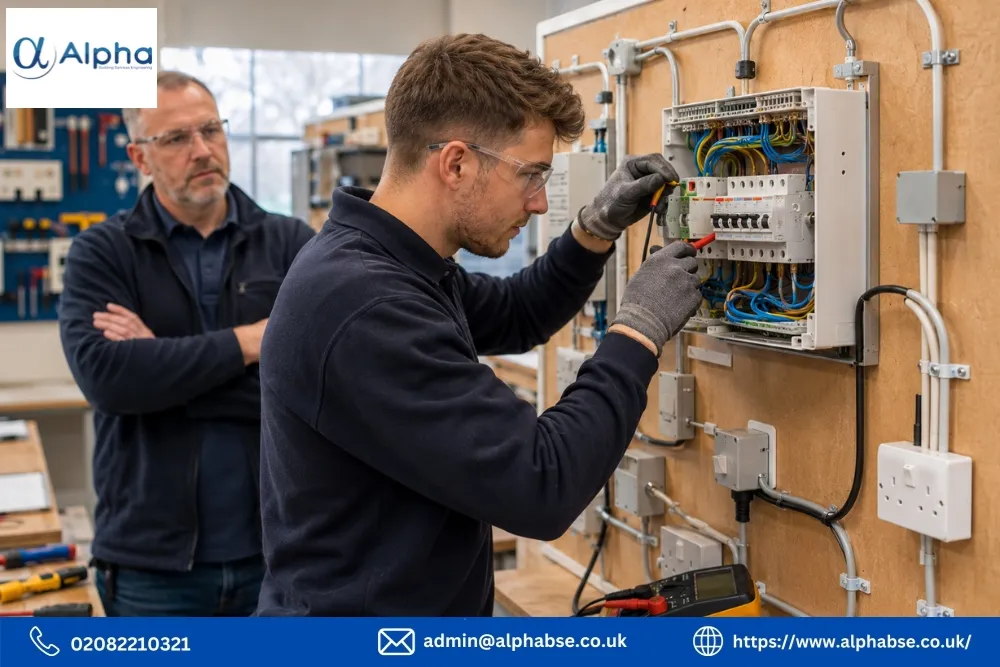
Understanding the UK Electrical Qualification Route
This is where a lot of people get confused, because "electrical training course" can mean very different things depending on where you are in your career.
Starting From Scratch: The Apprenticeship Route
The most recognised path into the trade is a Level 3 electrical apprenticeship, usually taken alongside paid employment with an electrical contractor. This combines on-the-job experience with day-release or block-release college attendance, and it typically leads to the Level 3 Diploma in Electrical Installation plus an NVQ/AM2 assessment. Most established electricians will tell you this is still the strongest route because you graduate with real site hours already logged.
The Fast-Track Route
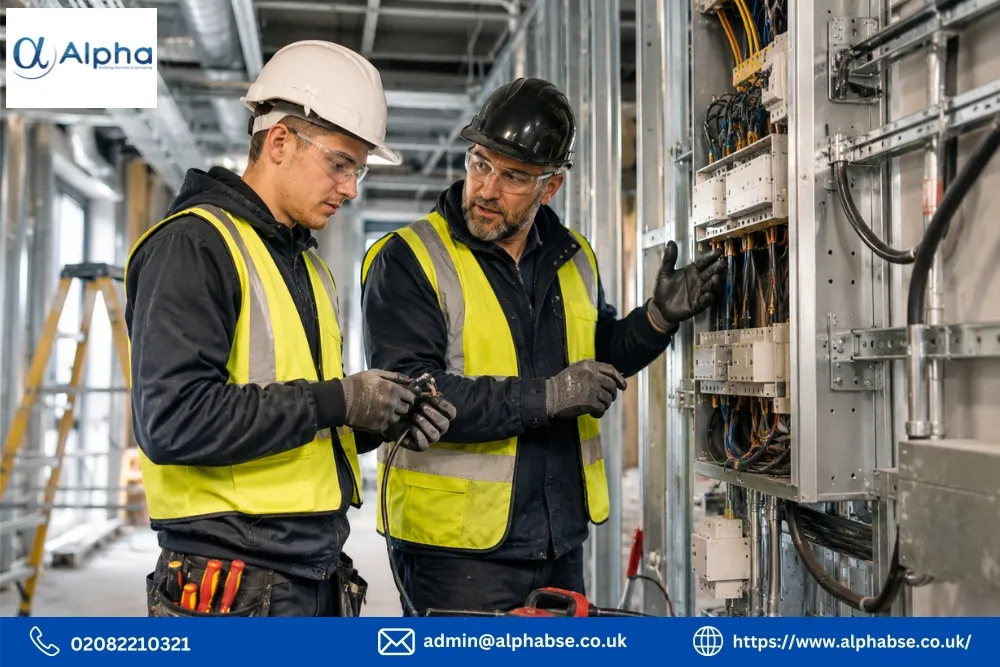
Private training providers offer intensive courses, sometimes marketed as 18-month or "fast-track" programmes, that combine classroom learning with practical placements. These can work well for career changers who can't take a four-year apprenticeship, but they vary hugely in quality. Before booking one, check exactly which qualification you'll walk away with and whether it's recognised by NICEIC, NAPIT, or another competent person scheme, since that recognition is what eventually lets you self-certify domestic work.
Topping Up an Existing Qualification
If you're already electrically competent from another country or a related trade, you may only need specific units, such as the 18th Edition Wiring Regulations (BS 7671), inspection and testing (2391), or Part P for domestic installers. These shorter courses run over a few days rather than months and are widely available through local colleges and private training centres.
What to Check Before Booking a Course
A course that looks professional online doesn't always deliver in the workshop. Here's what's worth checking before you commit.
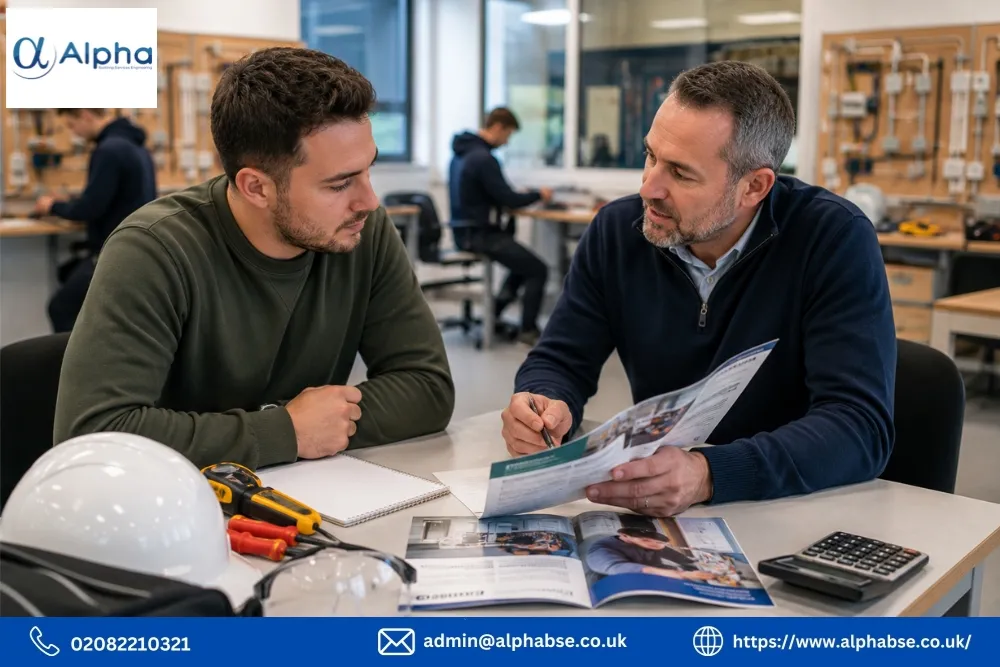
Awarding body recognition. Confirm the course leads to a qualification from a recognised awarding organisation such as City & Guilds, EAL, or NOCN. A certificate from an unrecognised in-house scheme won't get you registered with a competent person scheme.
Practical hours, not just theory hours. Ask how many hours are spent actually wiring, testing, and fault-finding versus sitting in a classroom. Electrical inspectors and future employers will expect genuine hands-on competence.
Assessor experience. Ask whether the tutors are practising or recently practising electricians, not just career trainers. Someone who's worked on live installations recently will teach you things a textbook won't.
Pass rates and progression support. Reputable centres are usually happy to share how many students go on to pass their AM2 assessment or gain NICEIC registration. If a provider is vague about this, treat it as a warning sign.
Total cost, including hidden extras. Course fees sometimes exclude exam entry fees, PPE, tools, or the AM2 assessment itself. Get a full written breakdown before paying a deposit.
Comparison: Common Electrical Training Routes
| Route | Typical Duration | Best For | Qualification Outcome |
|---|---|---|---|
| Level 3 Apprenticeship | 3–4 years | School leavers, career starters wanting paid on-the-job training | Level 3 Diploma + NVQ + AM2 |
| Fast-track private course | 6–18 months | Career changers who need a shorter route | Level 3 Diploma (verify awarding body) |
| 18th Edition / BS 7671 top-up | 3–5 days | Qualified electricians updating regulations knowledge | 18th Edition Certificate |
| Inspection & Testing (2391) | 5–10 days | Electricians moving into testing and certification work | 2391 Certificate |
| Domestic installer (Part P) | Varies | Sole traders wanting to self-certify domestic work | Part P Competent Person Scheme eligibility |
How to Actually Find Local Providers
Rather than relying on a single search result, it helps to cross-check a few sources:
- Search your local FE college's part-time or apprenticeship prospectus, since many offer the most affordable route with strong industry links.
- Check the City & Guilds and EAL centre-finder tools, which list approved training centres by postcode.
- Ask local electrical contractors directly. Many will know which nearby providers actually produce competent, employable graduates, because they've hired from them before.
- Visit the workshop in person if you can. A short visit tells you more about equipment quality and teaching style than any website.
Key Takeaways
- "Near me" still matters for electrical training because the practical, hands-on component can't be replicated online.
- The apprenticeship route remains the most respected path into the trade, but fast-track and top-up courses suit people who are changing careers or already have relevant experience.
- Always confirm the awarding body, practical hours, and progression support before paying for any course.
- Cross-check local FE colleges, official centre-finder tools, and word of mouth from working electricians rather than relying on search results alone.
Last Thoughts
Choosing an electrical training course close to home is really about finding a provider with a genuine workshop, experienced assessors, and a qualification that's recognised where it counts, by employers and by the competent person schemes you'll eventually want to join. Take the time to visit a centre in person, ask about pass rates, and get a full cost breakdown before you commit. That extra bit of homework upfront saves a lot of wasted time and money later.
Frequently Asked Questions
Q: Do I need any qualifications to start an electrical course?
A: For a Level 3 apprenticeship, most colleges want GCSEs (or equivalent) in maths and English, though requirements vary by provider. Short top-up courses like the 18th Edition are usually open to anyone already working in the trade.
Q: How long does it take to become a fully qualified electrician?
A: Through the apprenticeship route, expect three to four years including on-site experience. Fast-track private routes can compress the classroom and assessment elements but still require a genuine period of supervised site work before you can complete your NVQ and AM2.
Q: Is the AM2 assessment the same as a qualification?
A: No. The AM2 is a practical, end-point assessment that confirms you can work safely and competently to industry standard. You need underpinning qualifications (like the Level 3 Diploma) before you're eligible to sit it.
Q: Can I train as an electrician while working full time in another job?
A: Yes, many providers run evening and weekend courses for the theory units, though the practical assessment days usually require you to attend in person during working hours.
Q: What's the difference between City & Guilds and EAL qualifications?
A: Both are recognised UK awarding organisations for electrical qualifications, and employers generally treat them as equivalent. What matters more than the awarding body itself is whether the specific qualification is listed as acceptable by the competent person scheme you eventually want to join.



























Sign in to leave a comment.