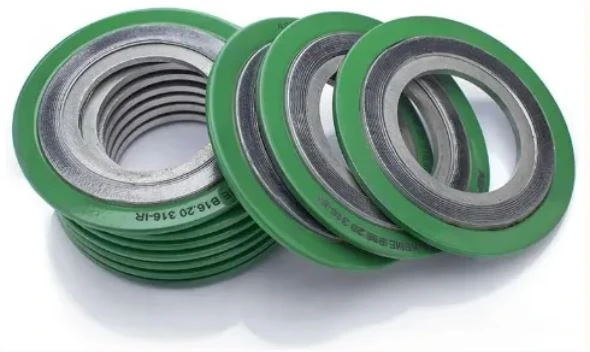

Gaskets are the unsung heroes of the industrial world, silently sealing the gaps that keep our machinery and systems running smoothly. Among these, spiral wound gaskets have earned a reputation for reliability in high-pressure and high-temperature environments. However, even the most durable gaskets can falter if not adequately maintained and inspected. In this article, we will delve into the importance of gasket maintenance and inspection and how these practices can prevent costly failures in industrial operations.
The Critical Role of Spiral Wound Gaskets
Before we dive into preventative measures, let's understand why spiral wound gaskets are indispensable in many industries. These gaskets consist of a metallic winding strip and filler material, typically graphite or PTFE. This unique composition allows them to withstand intense pressure, temperature fluctuations, and aggressive chemical environments. Spiral wound gaskets find their home in sealing flanges, pipelines, and pressure vessels, ensuring that nothing escapes or infiltrates the system.
Common Causes of Gasket Failures
Despite their resilience, spiral wound gaskets are not immune to wear and tear. Gasket failures can result from a variety of factors, including:
Improper Installation: Even the most robust gasket can succeed if installed correctly. Over- or under-tightening bolts during installation can lead to uneven compression and, ultimately, leakage.
Material Degradation: Over time, the filler material of a gasket can deteriorate due to exposure to harsh chemicals, high temperatures, or UV radiation. This can result in a loss of sealing capability.
Mechanical Stress: Gaskets endure mechanical stress from system vibrations, pressure fluctuations, and thermal expansion and contraction. In extended periods, this stress can weaken the gasket.
Corrosion: In environments where corrosion is a concern, the metallic components of the gasket can degrade, leading to leaks.
Preventative Maintenance
Preventing gasket failures begins with a robust maintenance and inspection routine. Here's how to ensure the longevity of your spiral wound gaskets:
Regular Inspection: Implement a regular inspection schedule. Check for visible signs of wear, such as cracks, distortions, or material degradation. Inspections can help identify issues early on.
Proper Installation: Ensure gaskets are correctly installed, with bolts tightened to the manufacturer's specifications. Avoid over-tightening, which can cause compression set and gasket damage.
Material Selection: Choose gasket materials that are compatible with the specific operating conditions of your system. Consider factors like temperature, pressure, and chemical exposure.
Sealing Surface Preparation: Before installing a gasket, ensure the flange surfaces are clean and flat. Any imperfections in the flange surface can lead to leakage.
Bolt Torque and Pattern: Follow the recommended torque values and patterns provided by the gasket manufacturer. This ensures even compression and prevents gasket damage.
Record Keeping: Maintain records of gasket installations and replacements, as well as inspection results. This data can help identify patterns and areas that may require special attention.
When to Replace
Despite the best maintenance efforts, there will come a time when a gasket needs replacement. Here are some signs that indicate it's time for a new gasket:
Continuous Leaks: If you consistently experience leaks, it indicates gasket failure.
Material Degradation: When the gasket's filler material shows signs of wear, such as cracking or crumbling, it's time for a replacement.
Irreparable Damage: Gaskets with irreparable physical damage, like large cracks or breaks, should be replaced immediately.
Conclusion
Spiral wound gaskets play a vital role in ensuring the integrity of industrial systems, but their reliability is not indefinite. Preventing gasket failures requires careful maintenance, regular inspections, and proper installation. By staying vigilant and addressing potential issues promptly, you can extend the life of your gaskets and avoid costly downtime and repairs. Remember, gasket health is the key to keeping your operations leak-free and running smoothly.



























Sign in to leave a comment.