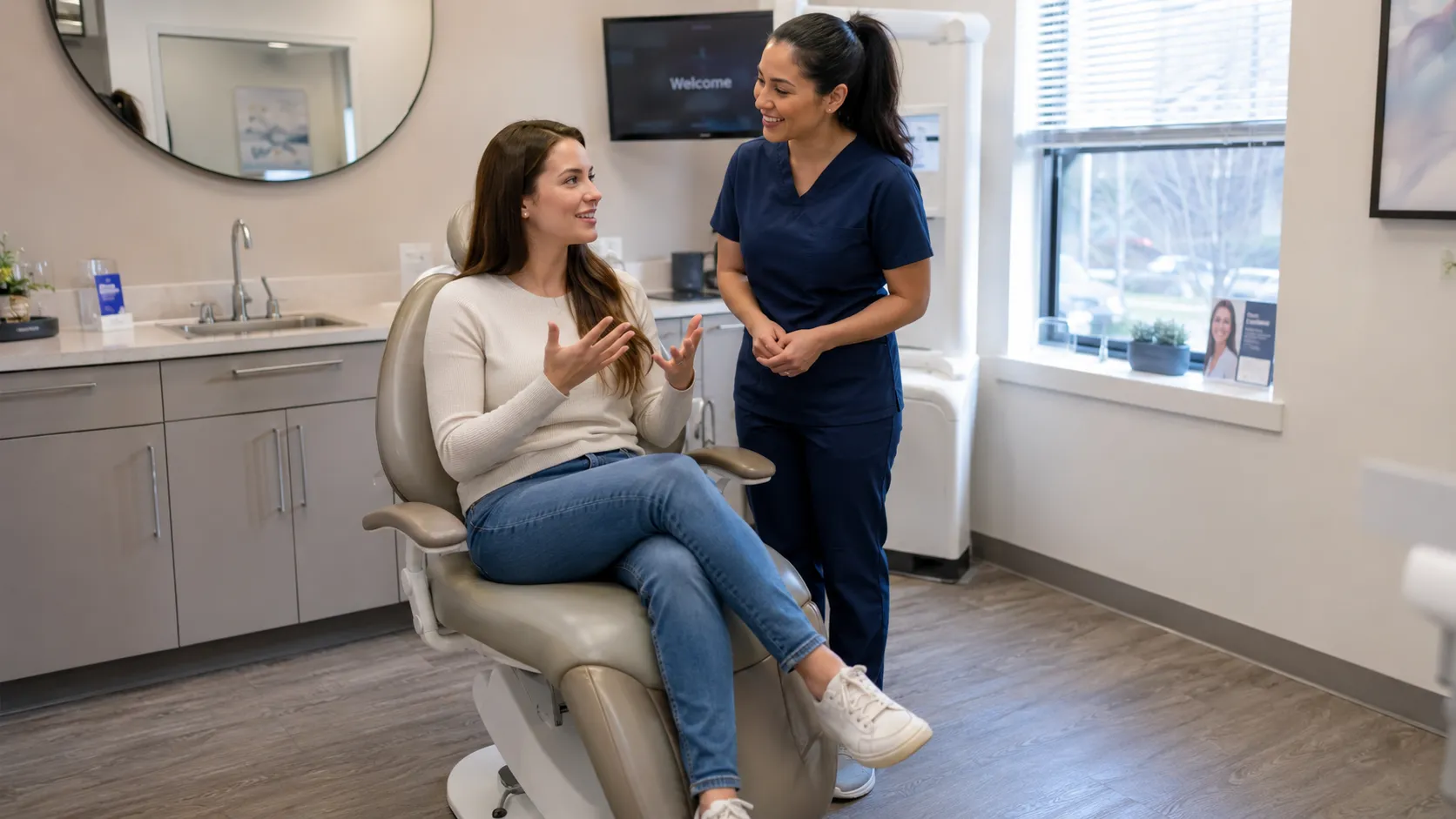

Already had dental work? You may still be able to straighten your teeth, but your treatment plan needs extra care.
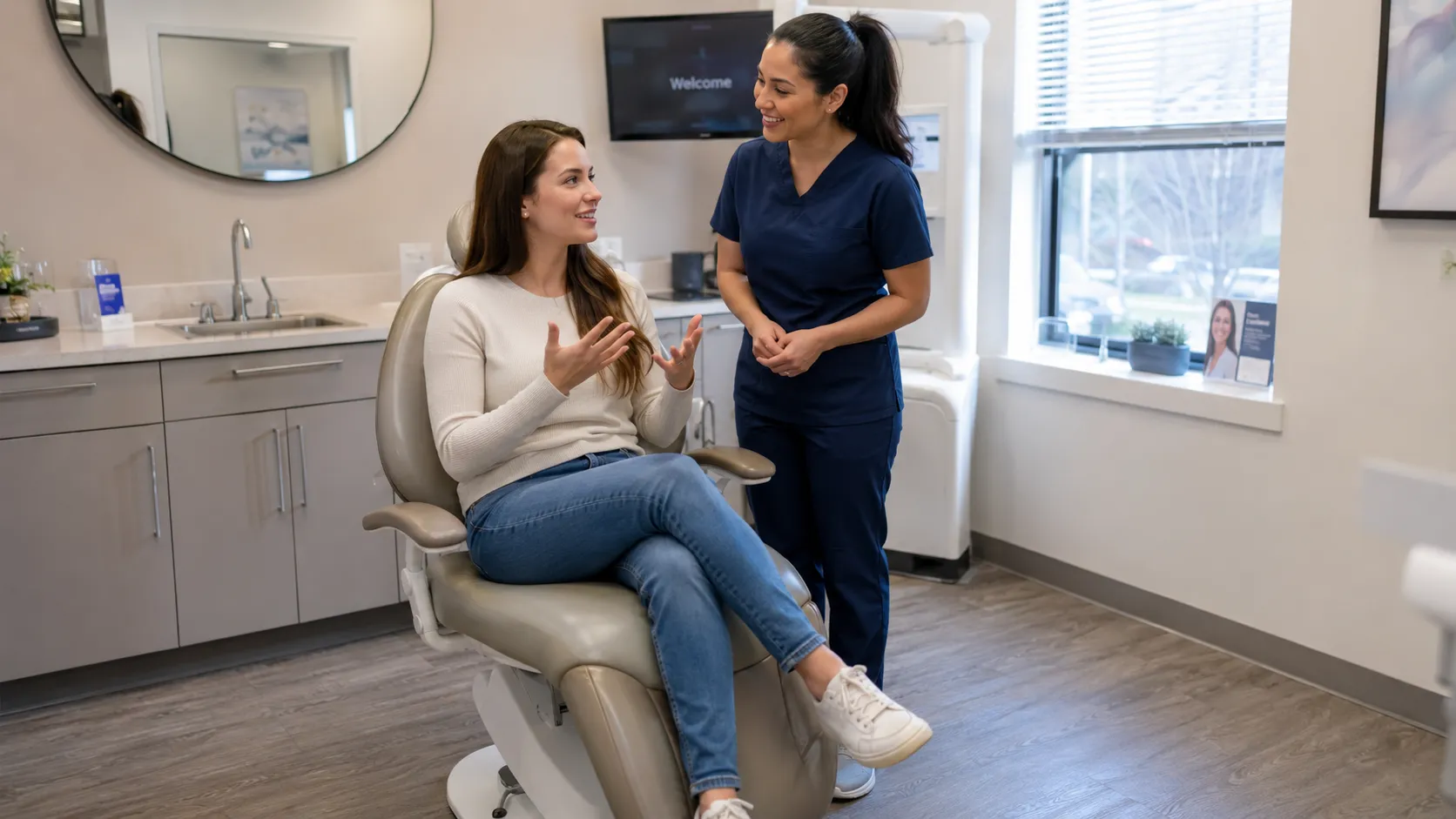
Many adults interested in clear aligners are not starting with a “blank slate.” They may already have crowns, veneers, fillings, bridges, root canal-treated teeth or other dental restorations from years of dental care. This can lead to a common question: can you still get clear aligners if you have existing dental work?
In many cases, yes. Clear aligners can be suitable for adults with crowns, veneers or fillings, but treatment needs to be planned carefully. Restorations do not always behave exactly like natural tooth structure, and their condition, position and stability can affect how your dentist approaches treatment.
Why existing dental work matters
Clear aligners work by applying gentle, controlled pressure to move teeth over time. They are designed to fit closely over the teeth, so the shape, size and position of each tooth matters. If you have a crown, veneer or large filling, your dentist needs to check whether it is stable enough to move with the tooth and whether it will affect the fit of the aligners.
A crown covers most or all of the visible tooth, but the natural root underneath may still be moved orthodontically. Veneers are thin coverings bonded to the front of teeth, and fillings restore areas damaged by decay, cracks or wear. These restorations can often remain in place during aligner treatment, but they need to be assessed before any movement begins.
The main concern is not simply whether you have restorations. It is whether those restorations are healthy, secure and compatible with the planned tooth movement.
Crowns and clear aligners
If you have a dental crown, clear aligner treatment may still be possible. The aligner moves the tooth root and surrounding structures, not just the visible surface. A crowned tooth can often move like a natural tooth if the root, gum and bone support are healthy.
However, crowns can affect planning in several ways. Attachments, which are small tooth-coloured shapes sometimes placed on teeth to help aligners grip, may not bond to crown material in the same way they bond to natural enamel. Your dentist may need to adjust the aligner design or choose different teeth for attachments.
The condition of the crown also matters. If it is loose, cracked, poorly fitting or has decay around the edges, it may need attention before aligner treatment starts. Moving a tooth with an unstable crown can create avoidable problems later.
Veneers and clear aligners
Adults with veneers may also be candidates for clear aligners, but careful assessment is important. Veneers are bonded to the front surface of teeth, often for cosmetic reasons. If the veneers are in good condition and the planned movements are suitable, treatment may still be possible.
The main consideration is protecting the veneers from unnecessary stress. Aligners must fit accurately, and any attachments or pressure points need to be planned carefully. In some cases, dentists may avoid placing attachments directly on veneers if there is a risk of damage or weak bonding.
It is also important to think about the final appearance. If veneers were made to suit your old tooth positions, straightening the teeth may change how they look in your smile. Some adults may need cosmetic refinements after aligner treatment to create the best result.
Fillings and clear aligners
Fillings are extremely common, especially in adults. Small, stable fillings usually do not prevent clear aligner treatment. However, large fillings, cracked fillings or teeth with a history of repeated repairs need closer review.
A tooth with a very large filling may be weaker than a tooth with mostly natural structure. If the filling is leaking, worn or close to breaking, your dentist may recommend replacing it before aligners begin. This is because aligners are custom-made to the exact shape of your teeth. If a filling changes after your scan, the trays may no longer fit properly.
This is one reason timing matters. Dental work that changes the shape of a tooth is often best completed before aligner scans are finalised.
Why scans and assessments are essential
A thorough assessment is the most important step for adults with existing dental work. This may include checking your bite, gum health, tooth roots, restorations, jaw function and oral hygiene. Digital scans or impressions are used to create an accurate model of your teeth so the aligners can be planned properly.
In my experience, this is where adults benefit from seeing a provider who looks at the whole mouth, not just the crooked teeth. Around Campbelltown, many patients are balancing work, family and long-overdue dental care, so it helps to have a realistic plan that considers old fillings, worn teeth and previous dental treatment. A dentist in Campbelltown can assess whether restorations should be repaired first or monitored during treatment.
Scans also help identify whether your current tooth shapes are stable enough for aligner manufacturing. If dental work is planned after scanning, new scans may be needed.
When dental work may need to happen first
Sometimes restorative treatment should be completed before clear aligners. This may include replacing failing fillings, repairing decay, treating gum disease, adjusting poorly fitting crowns or addressing cracked teeth.
Gum health is especially important. Teeth should not be moved through unhealthy or inflamed gums if it can be avoided. If bleeding, bone loss or gum disease is present, your dentist may recommend hygiene treatment or periodontal care first.
Dental work may also be needed first if a tooth is painful, heavily restored or structurally weak. Straightening teeth should not come before stabilising oral health. For some adults, a visit to a dental clinic in Campbelltown may reveal that the first step is not aligners, but getting the mouth healthy enough for aligners to work predictably.
Could dental work be needed after aligners?
Yes. In some cases, it makes sense to complete certain cosmetic or restorative improvements after aligner treatment. For example, if teeth are being moved into better positions, your dentist may wait before replacing veneers, reshaping edges or improving old restorations.
This is common when the final smile line, bite or tooth spacing will change. Waiting can help ensure the new restoration matches the improved tooth position.
So, are clear aligners still possible?
Having crowns, veneers or fillings does not automatically rule out clear aligners. Many adults with existing dental work can still straighten their teeth successfully. The key is careful planning.
Your dentist needs to assess the condition of your restorations, check your gum health, review your bite and decide whether any treatment should happen before, during or after aligners. With the right approach, clear aligners can be adapted to suit real adult mouths, including those with a history of dental work.























Sign in to leave a comment.