

Root canal treatment has a reputation that makes many people feel nervous before they even know what is involved. For years, the phrase “root canal” has been used as shorthand for something painful or unpleasant. In reality, modern root canal treatment is designed to relieve pain, not cause it.
If your dentist has recommended root canal treatment, it usually means the inside of your tooth has become inflamed or infected. This can happen because of deep decay, a cracked tooth, repeated dental work, or injury.
The goal of treatment is to remove the damaged tissue, clean the inside of the tooth, and help save the natural tooth rather than removing it.
Understanding what actually happens can make the experience feel much less intimidating.
Why root canal treatment may be needed
Inside each tooth is a soft tissue called the pulp. It contains nerves, blood vessels and connective tissue. When the pulp becomes infected or badly inflamed, it can cause pain, sensitivity, swelling or discomfort when biting.
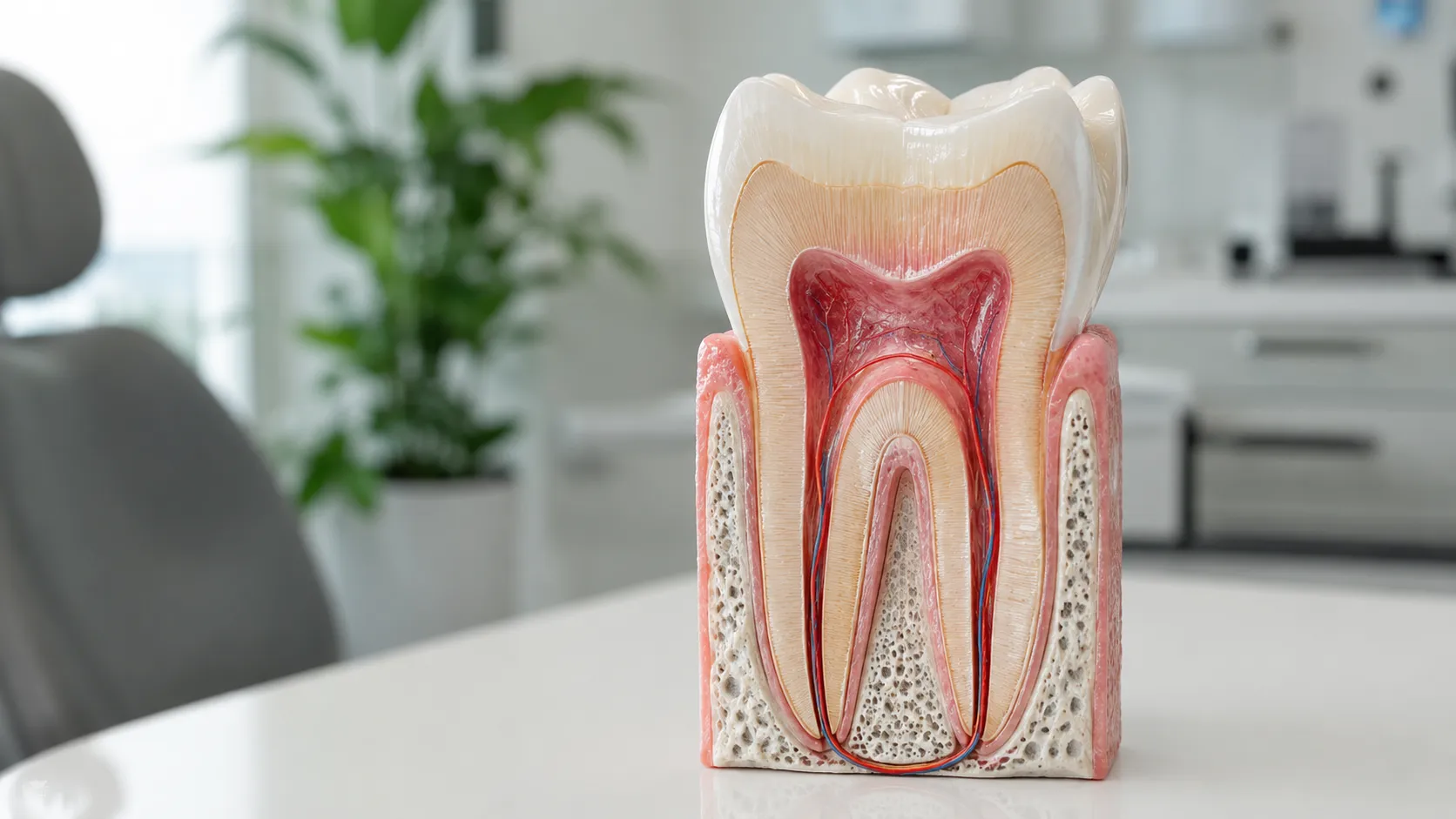
Some people experience severe toothache, while others notice only mild symptoms. In some cases, there may be no obvious pain at all, but an infection is found during a dental examination or X-ray.
Common signs that you may need root canal treatment include lingering sensitivity to hot or cold, pain when chewing, swelling near the gum, a darkened tooth, or a pimple-like bump on the gum. These symptoms should not be ignored, as infection inside a tooth will not usually heal on its own.
The treatment is meant to stop pain
One of the biggest misunderstandings about root canal treatment is that it causes pain. Often, the pain people associate with root canals is actually caused by the infection before treatment begins.
During the procedure, local anaesthetic is used to numb the area. The aim is to keep you comfortable while your dentist works. Many patients describe the experience as similar to having a longer filling. You may feel pressure or movement, but you should not feel sharp pain.
Once the infected or inflamed tissue is removed, the source of the pain is also removed. This is why many people feel relieved after treatment, especially if they had been dealing with toothache beforehand.
What happens during treatment?
Root canal treatment usually involves several steps. First, your dentist will assess the tooth and may take X-rays to understand the shape of the roots and the extent of the infection.
The tooth is then numbed, and a small opening is made so the dentist can access the pulp chamber and root canals. The infected or inflamed tissue is carefully removed. The canals are cleaned, shaped and disinfected to reduce bacteria inside the tooth.
Once cleaned, the canals are filled and sealed. In many cases, the tooth will later need a crown or strong restoration to protect it, especially if it has been weakened by decay, cracks or a large filling. This helps restore strength and function so the tooth can continue to be used for biting and chewing.
Depending on the tooth and the complexity of the case, treatment may be completed in one visit or across multiple appointments.
Modern dentistry has changed the experience
Root canal treatment today is very different from the outdated stories many people have heard. Modern techniques, improved instruments, digital imaging and better anaesthetics have made the procedure more comfortable and predictable.
Dentists also understand that many patients feel anxious. A calm explanation, breaks during treatment and clear communication can make a big difference. If you are nervous, tell your dentist before the appointment. They can explain each step, check in with you regularly, and help you feel more in control.
For many patients, fear reduces once they understand that root canal treatment is a careful, tooth-saving procedure rather than something to dread.
Saving your natural tooth matters
When a tooth is badly infected, it may be tempting to think removal is the easiest option. However, keeping your natural tooth is often beneficial when possible. Natural teeth help maintain chewing function, support neighbouring teeth and preserve your bite.
If a tooth is removed, you may need to consider replacement options such as a denture, bridge or dental implant. These can be effective solutions, but they may involve extra time, cost and treatment.
Root canal treatment gives many teeth a second chance. By removing infection and sealing the tooth, your dentist may be able to preserve your natural tooth for years with the right care and restoration.
What to expect after treatment
It is normal to have some tenderness after root canal treatment, especially when biting or chewing. This usually settles as the surrounding tissues heal. Your dentist may recommend over-the-counter pain relief if appropriate for you.
You should follow any aftercare instructions carefully. Avoid chewing hard foods on the treated tooth until it has been fully restored. If a temporary filling has been placed, take care not to damage it before your next appointment.
Good oral hygiene remains important. Brush twice daily, floss regularly and attend routine dental check-ups. A root canal-treated tooth can still be affected by decay or gum disease, so ongoing care is essential.
When should you see a dentist?
If you have tooth pain, swelling, lingering sensitivity or discomfort when biting, it is best to book an appointment promptly. Waiting can allow the infection to spread or make the tooth harder to save.
Even if you are anxious, early care is usually simpler than delayed care. Dentists are used to helping nervous patients, and you should feel able to ask questions before agreeing to treatment.
Root canal treatment is not something to fear
Root canal treatment may sound intimidating, but its purpose is straightforward: to relieve pain, remove infection and help save your natural tooth. With modern techniques and good communication, the experience is often much more comfortable than people expect.
The scariest part is often the uncertainty. Once you understand the process, root canal treatment becomes less of a fear and more of a practical step toward getting out of pain and protecting your oral health.































Sign in to leave a comment.