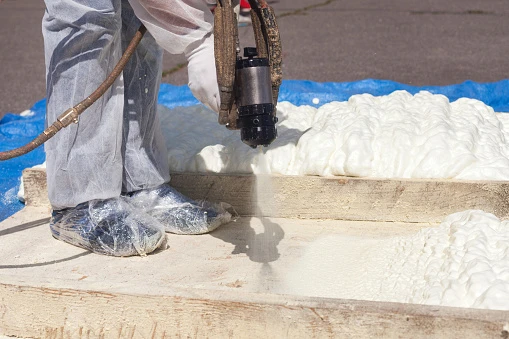

Battling the intense climate of Southern Nevada requires more than just a standard approach to temperature control; it demands a comprehensive defense against relentless heat gain and rapid nightly cooling. Property owners in Sunrise Manor often find themselves running air conditioning units constantly, yet still struggling with hot rooms, dust infiltration, and excessive energy bills. The root of this problem usually lies not in the HVAC equipment itself, but in the building envelope, where air leakage and insufficient thermal barriers allow conditioned air to escape and outside heat to invade.
We understand that actual energy efficiency comes from creating a sealed, consistent environment that separates the interior living space from the harsh exterior elements. Old-fashioned materials like fiberglass batts or blown-in cellulose often sag, settle, or leave gaps that compromise the structure's ability to hold temperature. By shifting the focus to Spray Foam Insulation and other modern, expanding foam solutions, we create an airtight seal that stabilizes indoor climates, reduces the workload on mechanical systems, and creates a noticeably quieter, cleaner indoor environment.

Comprehensive Air Sealing and Thermal Protection Strategies
At Supreme Spray Foam LV, we approach every project with a focus on building science and long-term performance. We do not simply fill cavities; we engineer a thermal envelope that acts as a unified system to resist heat transfer and air movement. This method is essential in Sunrise Manor, where the temperature differential between the attic and the living space can be extreme. Our team utilizes advanced application techniques to ensure that every nook, cranny, and structural connection is sealed against the elements.
We offer a diverse range of specialized applications designed to meet the unique needs of both residential and commercial structures:
- Attic Insulation: Sealing the underside of the roof deck to lower attic temperatures.
- Spray Foam Repairs: Fixing compromised insulation due to pests, water, or age.
- Wall Insulation: Filling stud cavities to prevent thermal bridging and noise transfer.
- Commercial Spray Foam Insulation: Large-scale solutions for warehouses and steel buildings.
- Exterior Insulation: Protective barriers applied to the outside of the building shell.
- Foundation Insulation: Sealing rim joists and slab edges to stop ground-level heat exchange.
- Residential Spray Foam Insulation: Complete home envelope systems for maximum comfort.
- Roofing Insulation: SPF roofing systems that insulate and waterproof simultaneously.
- Closed Cell Spray Foam Insulation: Rigid, high-R-value foam for structural strength and moisture control.
- Open Cell Spray Foam Insulation: Flexible, expanding foam ideal for sound dampening and interior walls.
- Home Insulation: Whole-house retrofits and new construction energy planning.
- Commercial Insulation: Energy-saving retrofits for office buildings and industrial spaces.
- Spray Foam Roofing Insulation: Sustainable roofing alternatives that reflect UV rays.
Engineering Comfort with Residential Applications
When we address Residential Spray Foam Insulation, our primary goal is to stop the stack effect. This phenomenon occurs when hot air rises and escapes through the roof, drawing in unconditioned, dusty air from the bottom of the house. We frequently start by addressing the attic. By installing Attic Insulation under the roof deck, we bring the ductwork and air-handling units into the conditioned space. This prevents the typical 30 percent energy loss that occurs when ducts run through a superheated vented attic.
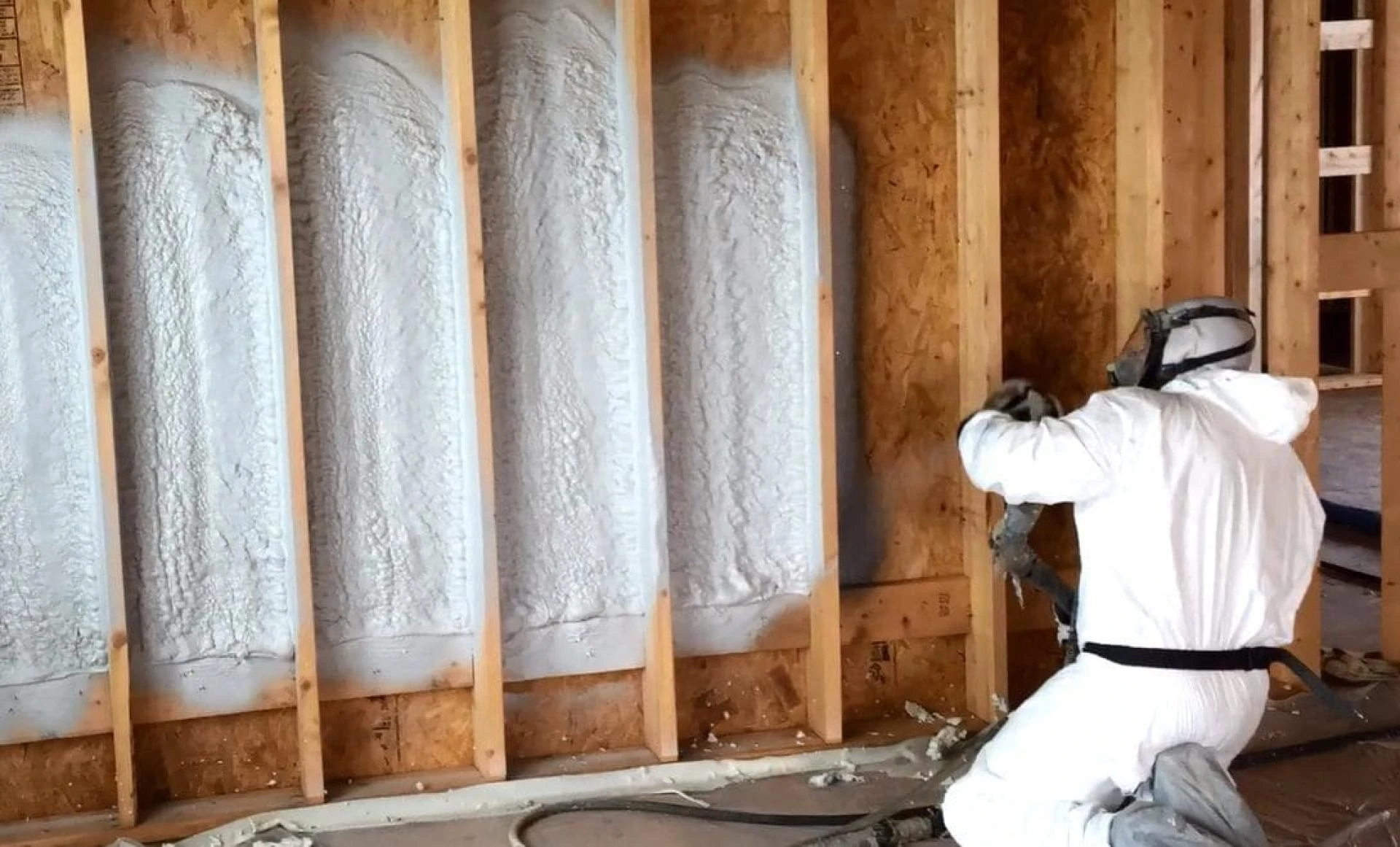
For the living areas, we often recommend Open Cell Spray Foam Insulation. This material expands rapidly to fill every void in the wall cavity, sealing around electrical outlets and plumbing pipes where air leaks are common. Beyond thermal regulation, open-cell foam is an exceptional sound absorber. We find this particularly useful for Home Insulation projects in busy neighborhoods or near flight paths, as it significantly dulls exterior noise pollution.
Strengthening Structures with Closed-Cell Foam
In scenarios where moisture resistance and structural rigidity are paramount, we utilize Closed Cell Spray Foam Insulation. This dense material is effectively a glue that holds the building together, adding racking strength to walls and roofs. We typically use this for Foundation Insulation or in areas prone to higher humidity. Because it creates a Class II vapor retarder, it prevents moisture-driven movement through the walls, which is critical for maintaining the integrity of stucco and wood framing over decades of service.
Commercial Efficiency and Industrial Applications
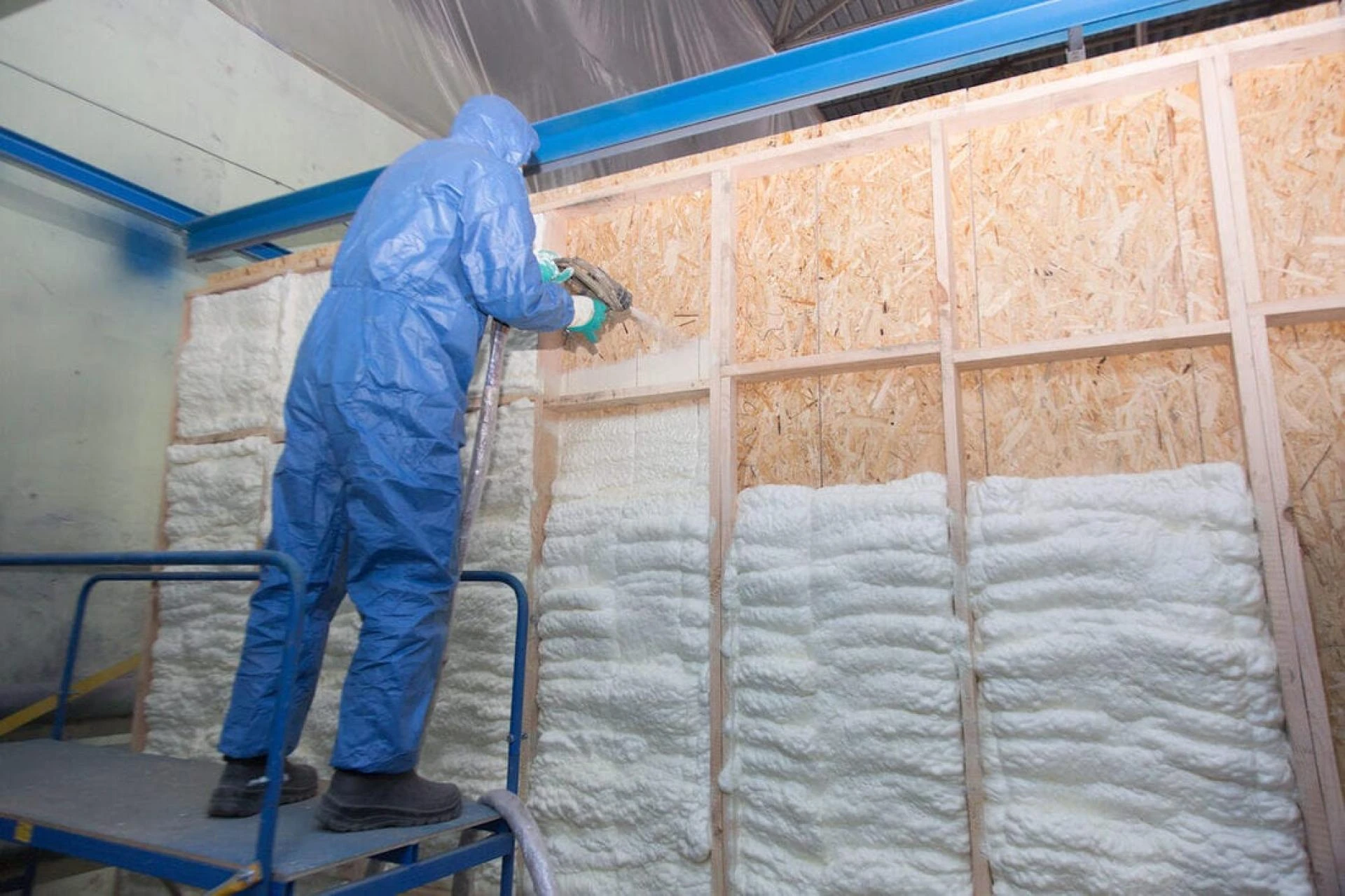
Commercial properties in Sunrise Manor face a different set of challenges, primarily related to scale and operational costs. Metal buildings and flat-roofed warehouses act as massive heat sinks, absorbing solar radiation throughout the day and radiating it back into the building. We design our Commercial Insulation strategies to break this thermal bridge. By insulating the interior of metal panels or the exterior of roof decks, we can significantly reduce internal operating temperatures, protecting inventory and improving working conditions for employees.
Advanced Roofing and Exterior Solutions
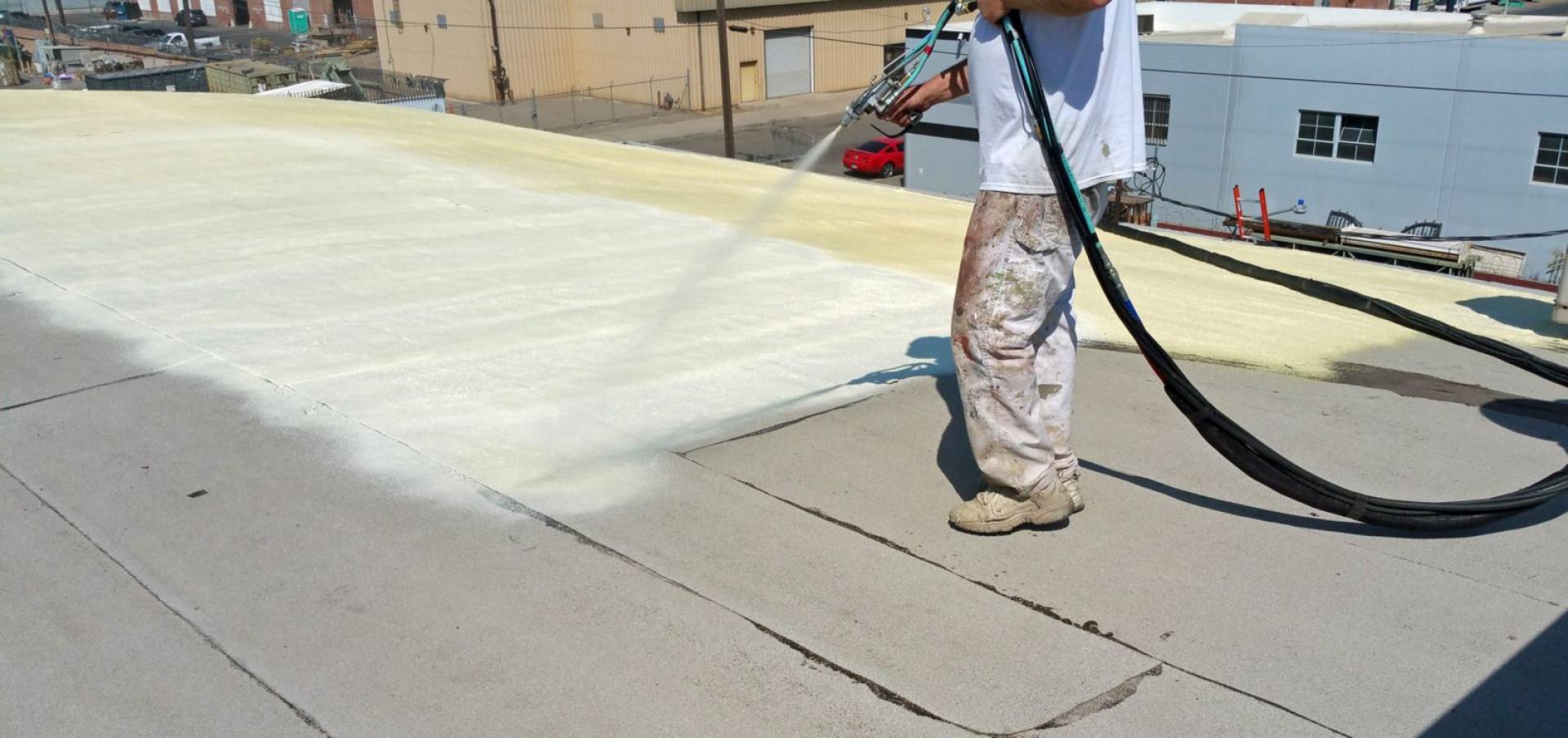
For flat or low-slope roofs, Spray Foam Roofing Insulation offers a dual benefit that traditional membranes cannot match. It serves as both the insulation and the primary waterproofing layer. This seamless application eliminates seams, the most common failure point in roofing, and is self-flashing around vents and HVAC units. Additionally, Exterior Insulation applications help protect the building's structural components from thermal shock, which is the damaging expansion and contraction caused by the desert's daily temperature swings.
Retrofitting and Damage Mitigation
We often encounter buildings with failing fiberglass systems that have become pest havens or have absorbed moisture. Our Spray Foam Repairs service involves removing these damaged materials and replacing them with a sanitary, pest-resistant foam barrier. In commercial settings, this often means retrofitting Commercial Spray Foam Insulation without disrupting daily operations. We spray directly over compatible substrates or into open wall cavities to restore and upgrade the building's energy performance profile.
Evaluating Insulation Performance Metrics
To make an informed decision, it is helpful to compare modern spray foam with traditional materials commonly used in Sunrise Manor properties. The following table illustrates why we advocate for foam solutions.
| Performance Metric | Fiberglass Batts | Open Cell Spray Foam | Closed Cell Spray Foam |
|---|---|---|---|
| Air Barrier | Poor (Air flows through) | Good (Air sealed) | Excellent (Impermeable) |
| Moisture Control | Absorbs moisture | Breathable | Water Resistant |
| R-Value per Inch | R-3.0 to R-3.8 | R-3.5 to R-3.8 | R-6.0 to R-7.0 |
| Structural Strength | None | Minimal | High (Adds rigidity) |
| Lifespan | 15-20 Years (Sags) | Life of the structure | Life of the structure |
| Sound Reduction | Moderate | High | Moderate |
Addressing Foundation and Floor Sensitivity
Many property owners overlook the bottom of the building envelope. However, heat enters through the slab and rim joists just as easily as it does through the walls. Our Foundation Insulation techniques involve sealing the rim joist, the perimeter where the wood framing meets the concrete foundation. This area is a notorious source of air leaks and insect entry. By sealing this critical junction, we complete the thermal envelope, ensuring that the work done in the attic and walls performs at maximum efficiency.

Ensuring Wall Integrity and Comfort
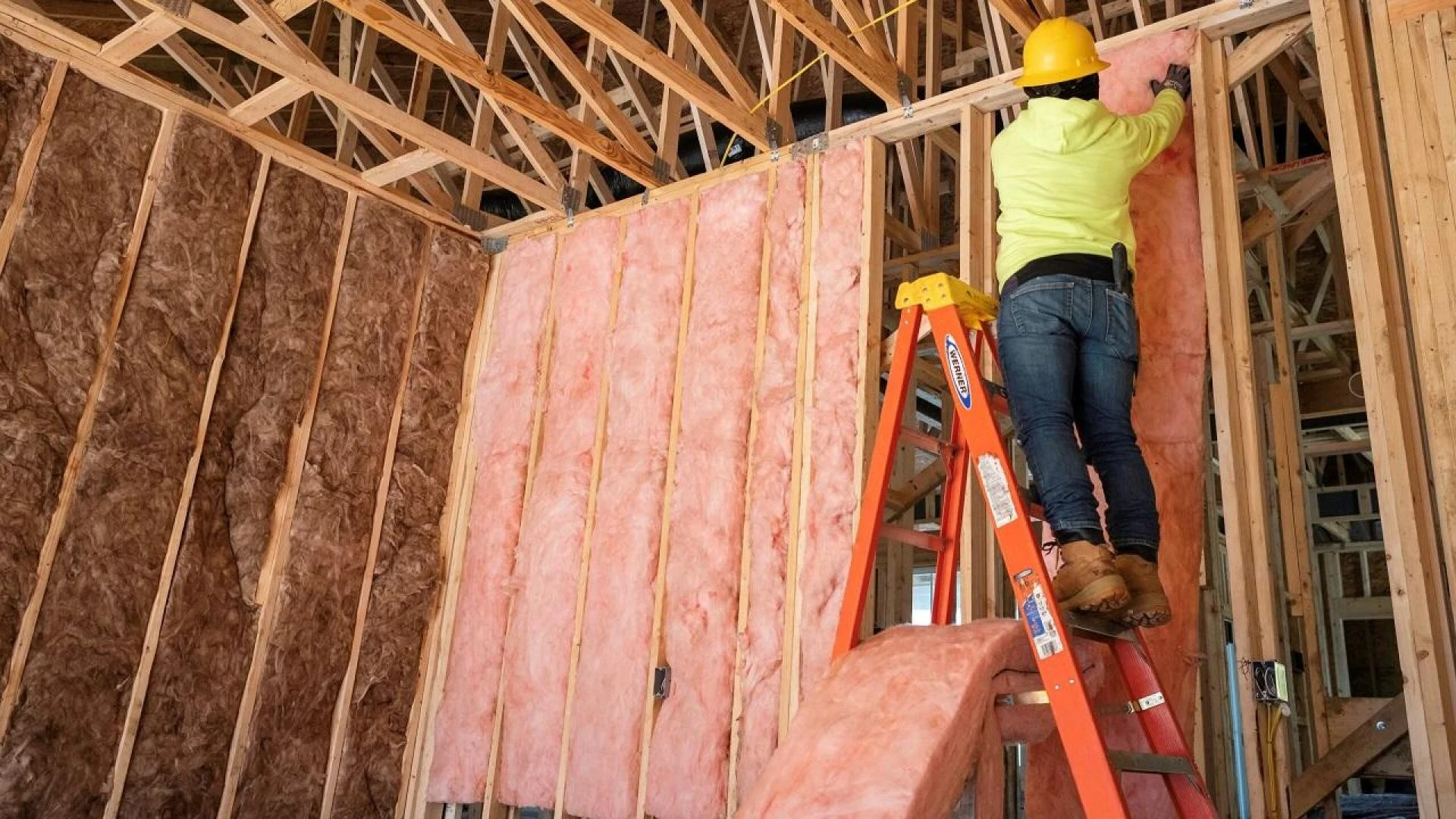
Wall Insulation is about more than just R-value; it is about consistency. Traditional batts can leave gaps around wires and boxes, creating "hot spots" on your walls. When we apply spray foam, the material expands to fit the unique shape of each cavity. This ensures a uniform barrier against heat conduction. For Exterior Insulation projects, we can even apply specialized coatings over the foam to provide a finished, durable surface that withstands UV exposure while keeping the interior cool.
Common Questions About Spray Foam Investments
Does spray foam insulation attract pests or termites? No, spray foam does not provide a food source for pests. Unlike fiberglass, which can be used as nesting material, solid foam offers no nutritional value. Furthermore, because it seals the tiny cracks and gaps where insects typically enter, it actually acts as a deterrent to infestation.
Will the foam off-gas or smell after installation? We strictly adhere to manufacturer guidelines regarding ventilation and re-entry times. Once the foam has fully cured, typically within 24 to 48 hours, it is chemically inert and does not release odors or harmful gases. The result is a cleaner indoor environment with better air quality.
Can spray foam be removed later if needed? While spray foam is designed to be permanent, it can be removed mechanically if necessary for future renovations or repairs. However, because it adheres so well to the substrate, removal is labor-intensive. We plan our installations carefully to account for future access to electrical and plumbing systems.
Summarizing the Value of Thermal Efficiency
Upgrading your property with professional insulation is one of the few investments that pays you back every month through lower utility costs. We have seen firsthand how sealing the building envelope transforms a drafty, inefficient structure into a comfortable, modern space. By eliminating air leakage and providing superior thermal resistance, you protect your HVAC equipment, increase your property value, and ensure a consistent indoor climate regardless of the weather outside. We remain dedicated to providing Sunrise Manor with industry-leading solutions that stand the test of time.
Secure Your Property's Energy Future
Your building's efficiency depends on the quality of its insulation. Ignoring air leaks and outdated materials only leads to higher costs and decreased comfort. At Supreme Spray Foam LV, we support performance-driven projects that deliver immediate and lasting results. We are ready to help you assess your needs and implement a custom solution.
Take action on your energy efficiency today. Call us at (702) 904-9895 or email [email protected].
Frequently Asked Questions
How does spray foam affect the resale value of a property? Homes and commercial buildings with documented spray foam installation often appraise higher due to lower operating costs and modernized energy systems. Buyers appreciate the long-term savings and the improved air quality that come with a sealed building envelope.
Can spray foam be applied directly to roof shingles? We do not use foam directly on the underside of shingles, as it can void shingle warranties and cause overheating; instead, we spray it onto the bottom of the roof deck between the rafters. This method creates an unvented attic assembly that is highly efficient while protecting the roofing materials.
Does spray foam trap moisture inside the walls? Open-cell foam is vapor-permeable, allowing the wall assembly to dry in both directions, while closed-cell foam acts as a vapor barrier that must be managed correctly. We assess your specific climate zone and wall construction to choose the correct foam that prevents moisture accumulation.
Is insulation necessary for interior walls? Insulating interior walls is not required for thermal control, but it is highly recommended for soundproofing and privacy between rooms. We use open-cell foam in media rooms, bathrooms, and bedrooms to minimize noise transfer and create a quieter living experience.
What is the difference between retrofitting and new construction insulation? New construction allows us to spray into open wall cavities for complete coverage before drywall is hung. Retrofitting involves drilling small access holes to inject foam into existing walls or treating accessible areas like attics and crawl spaces to improve the envelope without major demolition.
Reviewer: Michael Carter reviewed this article using insight gained over 12 years in the spray foam business. His feedback focused on helping contractors reach new customers without overcomplicating their message.
Sign in to leave a comment.