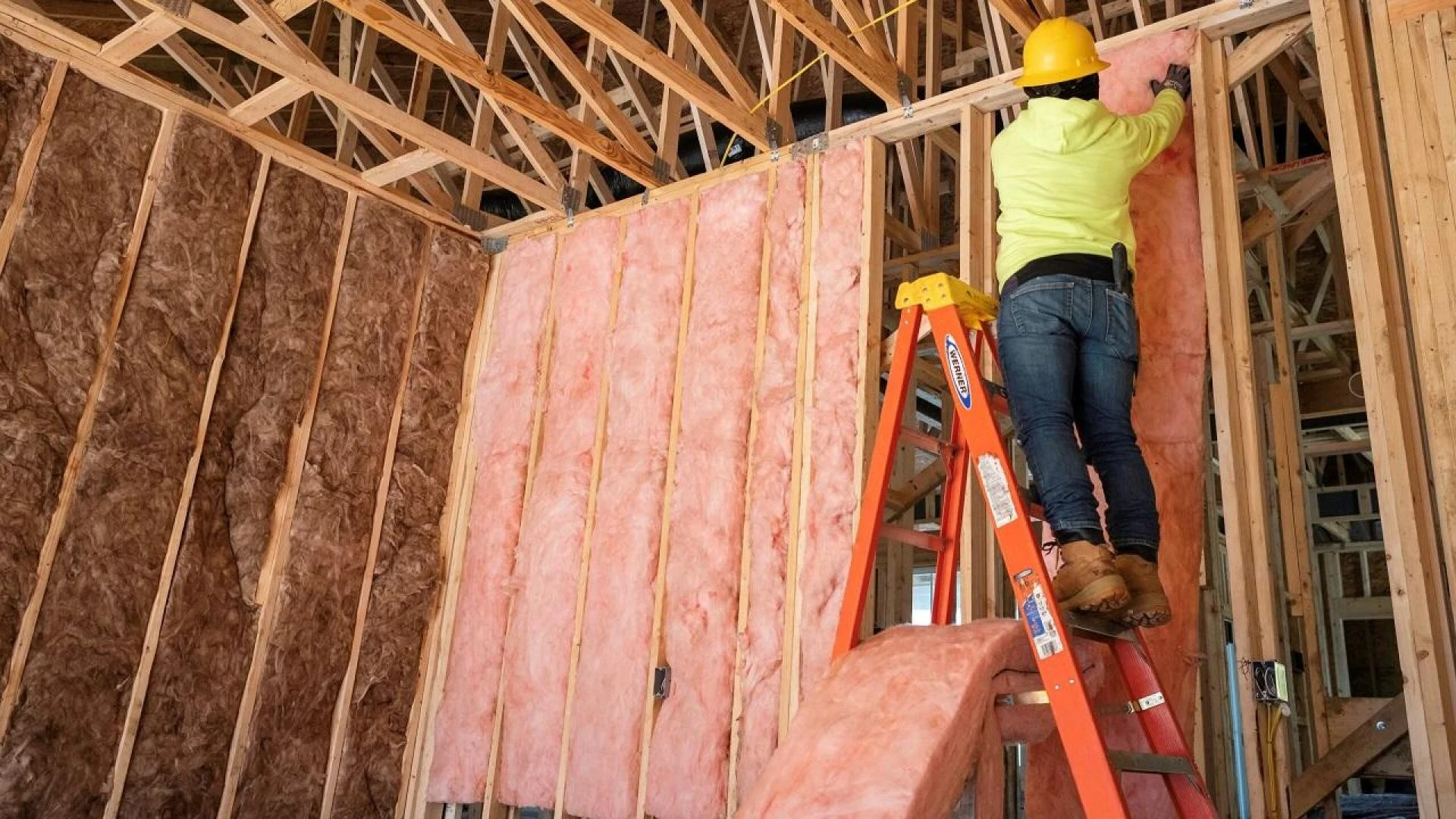

Exterior Insulation improves year round comfort by reducing heat transfer through walls, limiting drafts, and stabilizing indoor temperatures. Instead of insulating only between wall studs, it wraps the outside of the structure. This creates a continuous barrier that reduces thermal bridging and improves overall efficiency.
Homeowners often notice fewer hot and cold spots, lower energy bills, and quieter interiors. This article explains how exterior systems work, when they make sense, and what to review before moving forward. The guidance reflects real field experience from professionals who provide Exterior Insulation services in varied climates.
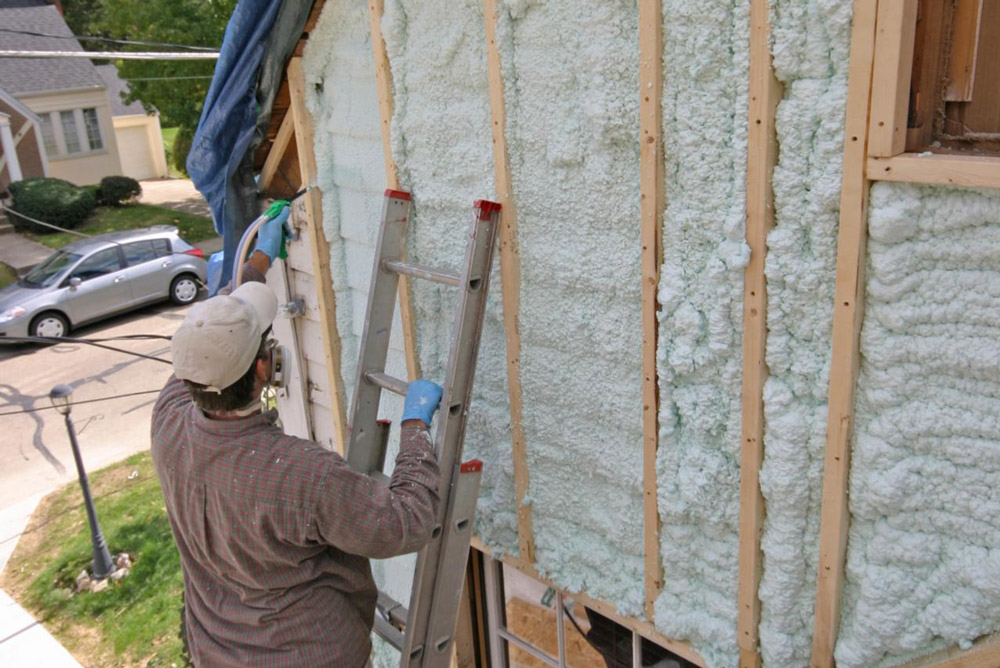
How Exterior Insulation Works on a Home
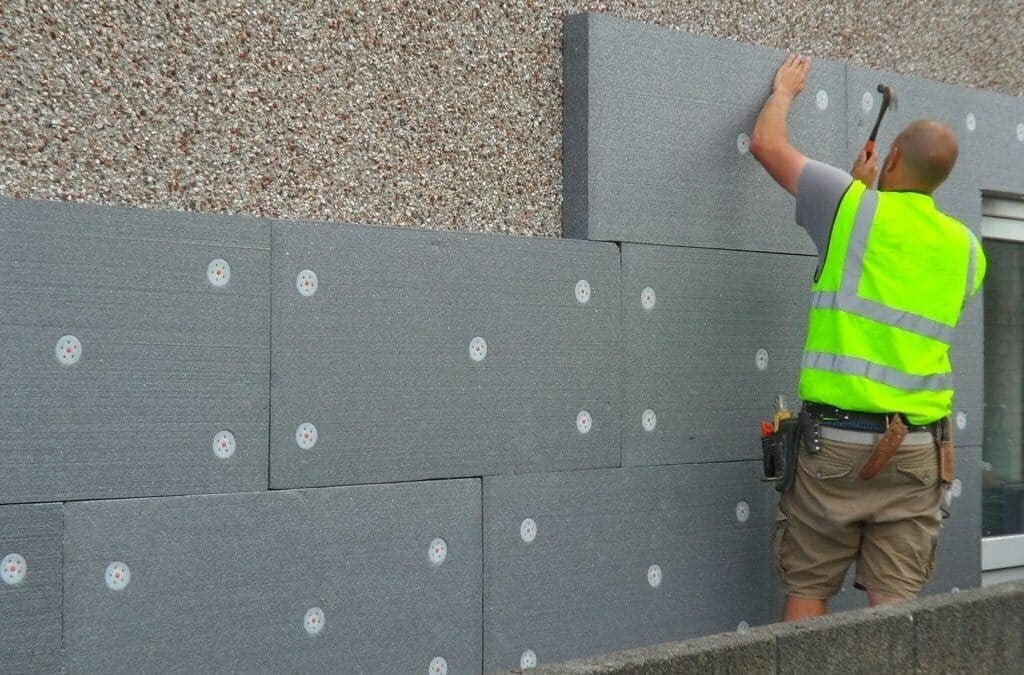
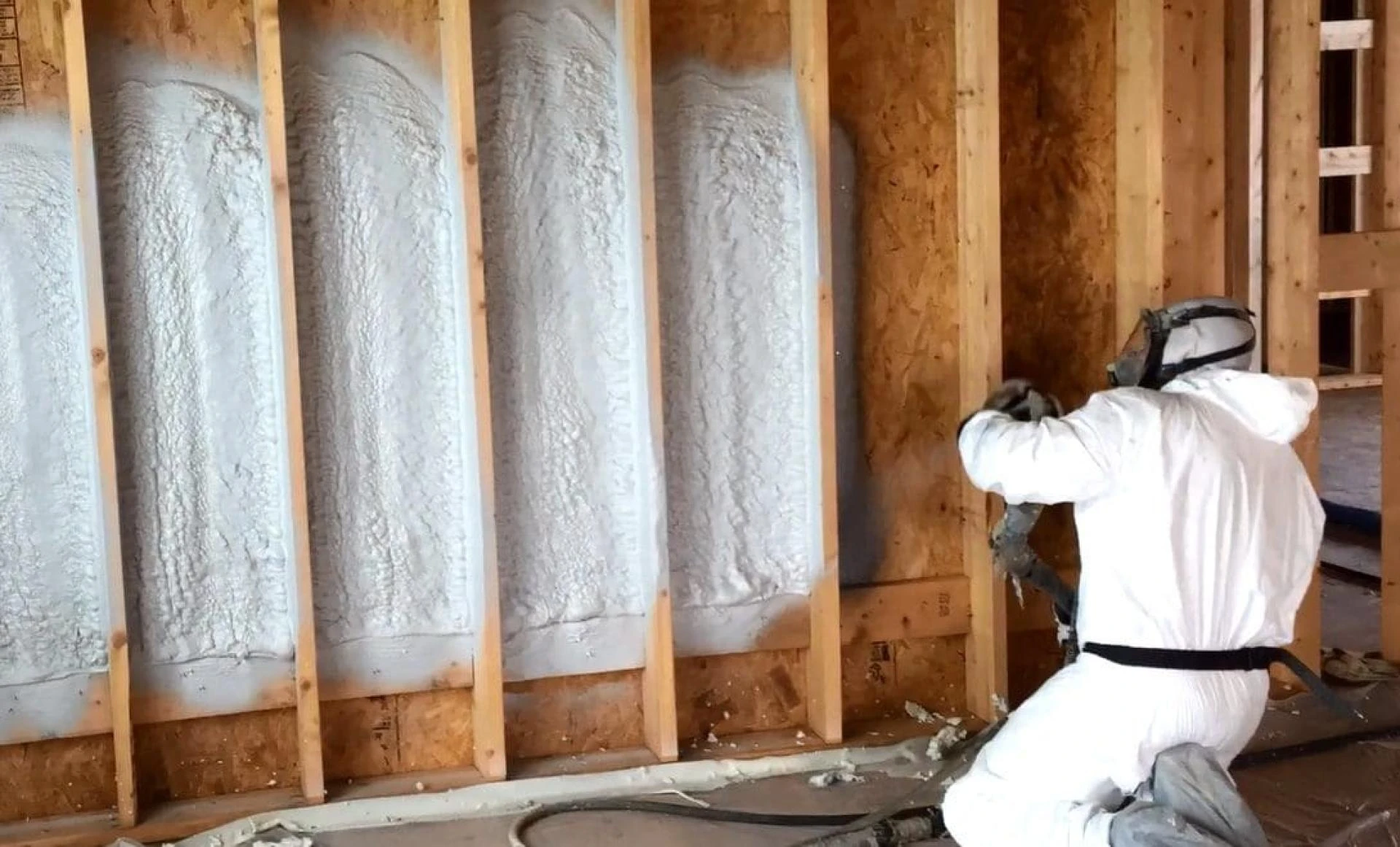
Exterior systems are installed on the outer side of the wall framing. They sit between the structural wall and the final siding or finish.
This placement covers studs and framing members that normally allow heat to pass through. Traditional cavity insulation leaves those framing areas exposed. Exterior layers reduce that weak point.
The U.S. Department of Energy estimates that thermal bridging through framing can reduce wall performance by up to 25 percent. Continuous exterior insulation addresses that issue directly.
Continuous Thermal Barrier
When insulation runs without breaks across the outer surface, it limits heat flow more effectively.
Reduced Heat Gain and Heat Loss
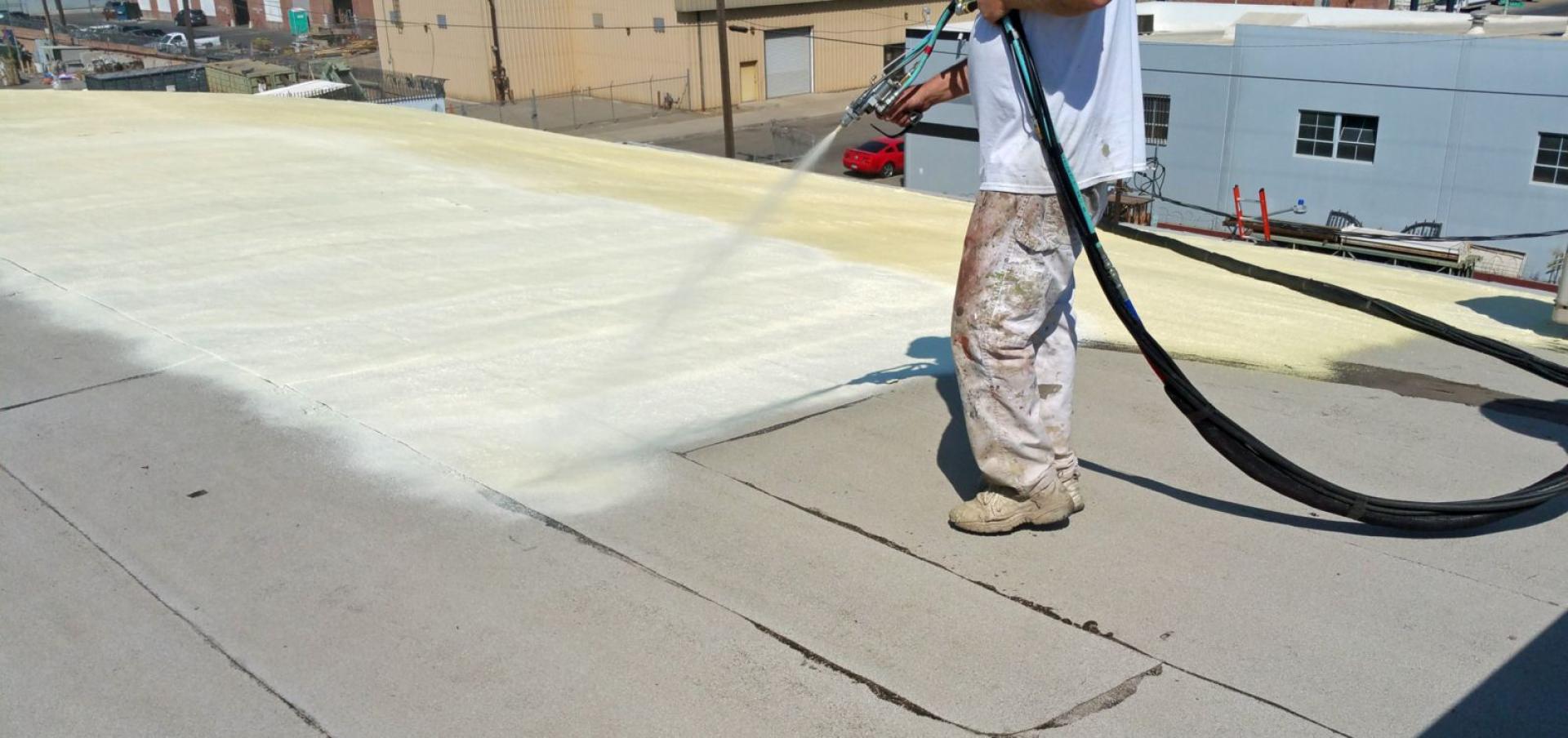
In hot climates, exterior systems slow heat from entering the home. In cold climates, they reduce heat escaping through walls.
This balanced performance improves comfort in both summer and winter.
Year Round Comfort Benefits
Exterior systems support stable indoor conditions. They do more than lower energy bills.
Fewer Temperature Swings
Walls without exterior coverage often feel cold in winter and hot in summer. Exterior layers help keep interior wall surfaces closer to room temperature.
This leads to:
- More even temperatures between rooms
- Reduced strain on heating and cooling systems
- Improved comfort near exterior walls
Better Indoor Air Quality
When paired with proper air sealing, Exterior Insulation experts often see reduced drafts. Less uncontrolled air movement means fewer outdoor pollutants entering the home.
Noise Reduction
Thicker exterior assemblies can also reduce outside noise. Homes near roads or busy areas benefit from added sound control.
Bonus Tips
Combine With Air Sealing
Exterior insulation performs best when gaps around windows, doors, and penetrations are sealed. A qualified Exterior Insulation Contractor can inspect these areas before installation.
Energy Savings and Performance Data
Energy savings vary by climate and existing wall condition. Still, exterior systems consistently improve wall R value.
Industry data shows that adding continuous exterior insulation can reduce heating and cooling energy use by 10 to 20 percent, depending on the home. In colder regions, savings may be higher.
Comparison of Wall Types
| Wall Type | Thermal Bridging | Energy Efficiency | Comfort Level |
|---|---|---|---|
| Cavity Only Insulation | High | Moderate | Uneven near walls |
| Exterior Continuous Insulation | Low | Higher | More stable |
This comparison highlights how reducing bridging improves wall performance.
Climate Specific Advantages
Exterior systems adapt well to different regions. The design details may vary, but the comfort benefits remain consistent.
Hot Desert Regions
In hot and dry areas:
- Exterior layers reduce solar heat gain
- Wall framing stays cooler
- Cooling systems cycle less often
Homes in desert climates often see improved indoor comfort during long summers.
Cold Northern Regions
In cold climates:
- Exterior insulation keeps wall cavities warmer
- Risk of condensation inside walls decreases
- Interior surfaces feel less drafty
These factors support both comfort and durability.
Bonus Tips
Plan for Proper Flashing
When adding exterior insulation, flashing around windows and doors must extend properly. This prevents water intrusion and protects long term performance.
Material Options for Exterior Systems
Different materials serve different needs. The most common include rigid foam boards and mineral wool panels.
Rigid Foam Boards
Rigid foam provides high R value per inch. It is lightweight and commonly used under siding.
Mineral Wool Panels
Mineral wool resists moisture and provides good fire resistance. It is heavier but durable.
A reliable Exterior Insulation Company can explain which option fits the home design and climate.
Things to Consider Before Making a Decision
Exterior insulation is a major upgrade. Homeowners should review several points before committing.
Existing Siding Condition
If siding already needs replacement, adding exterior insulation during that project can reduce labor overlap.
Wall Thickness and Trim Adjustments
Adding exterior layers increases wall thickness. Window and door trim may need adjustment to maintain a clean look.
Budget and Return
Exterior systems cost more than simple cavity upgrades. Homeowners should compare expected energy savings and comfort gains against project cost.
Local Building Codes
Some regions require specific fastening methods or moisture barriers. Working with experienced Exterior Insulation services helps ensure compliance.
Long Term Plans
If homeowners plan to stay in the property long term, improved comfort and energy savings often justify the investment.
Practical Takeaways for Homeowners
Exterior insulation improves comfort by creating a continuous barrier around the home. It reduces thermal bridging, limits drafts, and supports stable indoor temperatures.
Energy savings depend on climate and existing wall conditions. Still, many homeowners experience noticeable improvements in comfort and reduced HVAC use.
Before deciding, review siding condition, budget, and long term plans. A well planned upgrade can improve both daily comfort and overall efficiency.
Speak With a Qualified Local Professional
Homeowners considering exterior upgrades can contact Supreme Spray Foam LV for guidance on wall systems and insulation strategies. They assess current wall assemblies and recommend practical solutions based on climate and home design.
They can be reached at (702) 904-9895 or [email protected]. Speaking with experienced professionals helps ensure the exterior insulation system matches the home’s structure and long term goals.
Questions People Ask About Exterior Insulation
Does exterior insulation replace interior wall insulation?
No. It usually works alongside cavity insulation to improve total wall performance.
Will it lower utility bills right away?
Most homeowners notice lower heating and cooling use after installation, especially in extreme climates.
Is exterior insulation only for new construction?
No. It can be added during major remodels or siding replacement projects.
Does it change the appearance of the home?
The final look depends on siding choice. The insulation layer sits behind the finished exterior surface.
How long does exterior insulation last?
When installed correctly and protected by siding, it can last decades with minimal maintenance.
Reviewer: Michael Carter reviewed this article using insight gained over 12 years in the spray foam business. His feedback focused on helping contractors reach new customers without overcomplicating their message.
























Sign in to leave a comment.