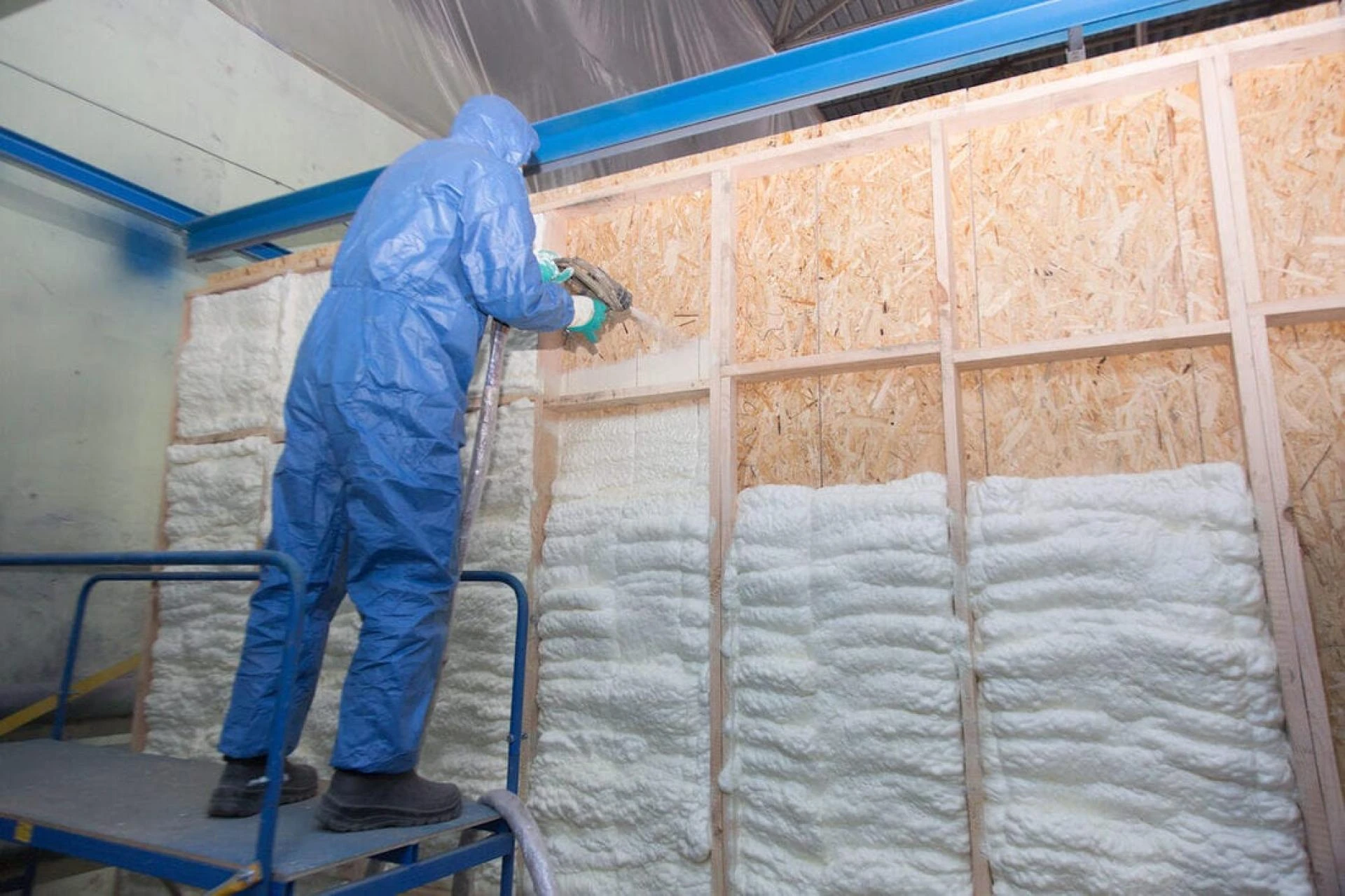

Commercial spray foam insulation relies on a precise chemical reaction that occurs directly at the job site, making the installer's skill level just as important as the product itself. Experienced teams distinguish themselves by mastering the complex variables of temperature, pressure, and surface preparation to ensure the foam cures correctly and adheres permanently. Without this technical expertise, projects risk material failure, compromised structural integrity, and costly code violations down the line.
This article examines the operational differences that separate qualified professionals from general laborers in the insulation industry. It explains how seasoned technicians manage equipment and site conditions to guarantee energy efficiency and durability, particularly with Commercial Spray Foam Insulation. By understanding these technical requirements, facility managers and business owners can better evaluate potential contractors for their commercial projects.
The Science of On-Site Manufacturing
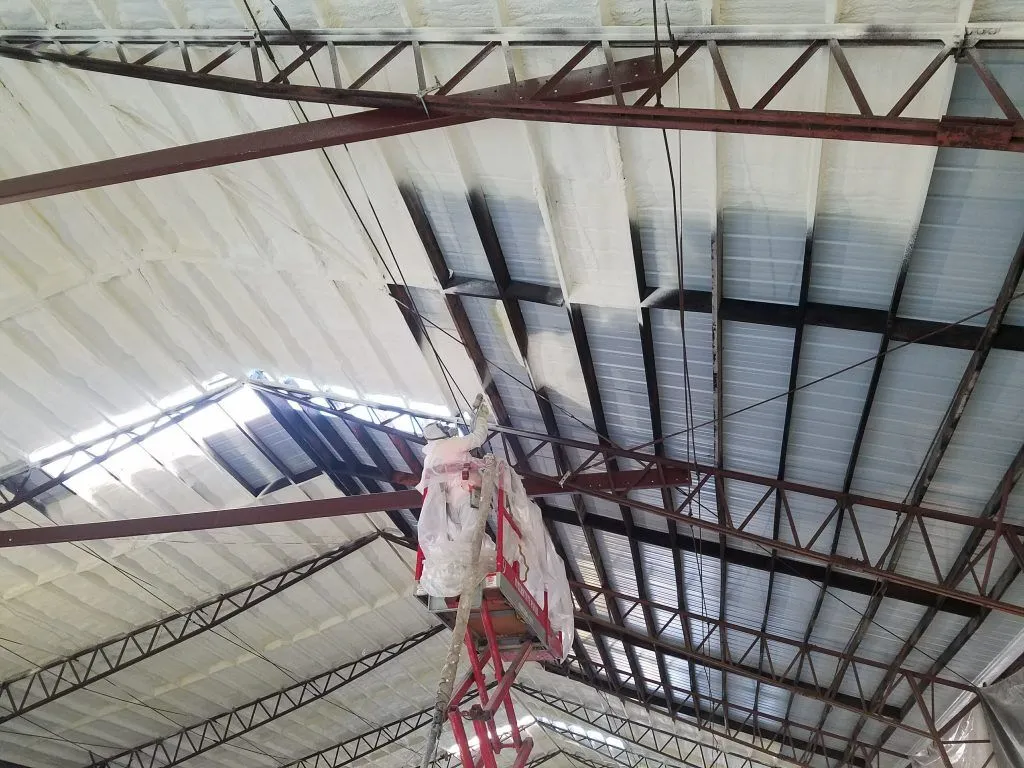
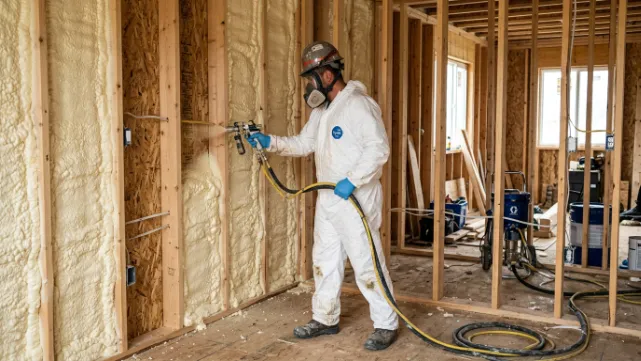
Unlike pre-cut fiberglass batts, spray foam is manufactured inside the building envelope. Two distinct liquid components, isocyanate and polyol resin, must be mixed at a precise one-to-one ratio within the spray gun. Professional applicators monitor this balance constantly because even a minor deviation can ruin the insulation's performance.
Technicians use sophisticated machinery to control the flow and pressure of these chemicals.
- Ratio Monitoring: Advanced rigs feature electronic monitoring systems that shut down if the mix becomes unbalanced.
- Pressure Maintenance: Consistent pressure ensures the materials atomize correctly for a smooth, uniform application.
- Chemical Storage: Experienced crews keep drums within a specific temperature range to prevent viscosity changes.
Controlling Temperature Variables
The chemical reaction that creates foam is exothermic, meaning it generates heat. If the ambient temperature or the substrate is too cold, the foam may shrink or pull away from the wall. Conversely, if it is too hot, the foam can split or char. Market data indicates that improper temperature management accounts for a significant percentage of coating failures in construction.
Calibration of Equipment
Before a single drop of foam hits the wall, a professional team calibrates its equipment. They circulate the chemicals through the lines to ensure consistent heat and pressure from the truck to the gun tip.
Bonus Tip: Check the Test Spray
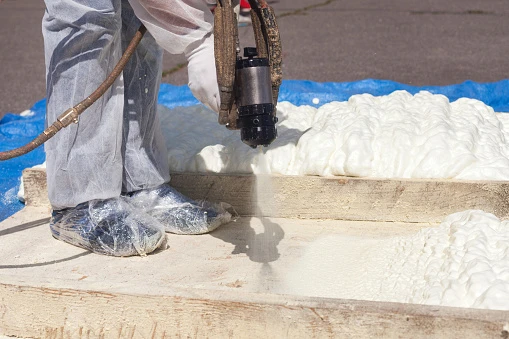
A qualified crew always performs a "test spray" on a disposable surface to verify the foam's reactivity and density before starting on the actual building structure.
Adherence to Strict Building Codes
Commercial structures face more rigorous safety regulations than residential homes, particularly regarding fire safety and thermal barriers. Experienced contractors understand the specific requirements for different occupancy types. They know when an intumescent coating is legally required to cover the foam and protect it from ignition sources.
The following table outlines the differences in outcomes between a professional application and an inexperienced installation.
| Performance Metric | Experienced Team Result | Inexperienced Team Result |
|---|---|---|
| Adhesion | Permanent bond to substrate | Peeling or delamination over time |
| Fire Safety | Fully compliant with thermal barriers | Potential code violations and hazards |
| Material Density | Consistent R-value per inch | Irregular pockets and low insulation value |
| Vapor Control | Continuous monolithic seal | Gaps allowing moisture intrusion |
Managing Large-Scale Safety
Safety protocols on commercial sites go beyond personal protective equipment. Installers must manage ventilation to protect other trades working nearby. They establish containment zones to prevent overspray from damaging expensive machinery, vehicles, or inventory.
Surface Preparation and Durability
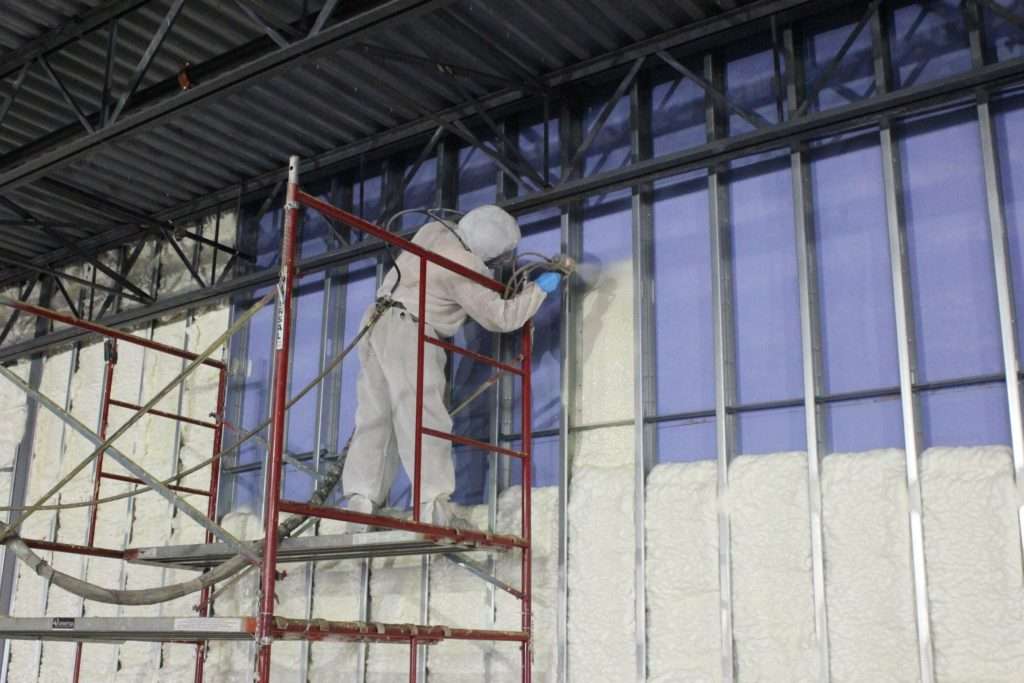
The longevity of spray foam insulation depends heavily on how well the surface was prepared before application. Commercial buildings often feature metal, concrete, or block walls that can accumulate dust, oil, or release agents. Foam will not bond to a dirty surface.
Seasoned teams spend a significant portion of the project timeline on cleaning and priming.
- De-greasing: Removing manufacturing oils from metal beams to ensure adhesion.
- Moisture Removal: Verify the substrate is dry, as moisture can cause blistering in the foam.
- Priming: Applying specialized primers to challenging surfaces like stainless steel or certain plastics.
Preventing Delamination
Delamination occurs when the foam separates from the surface it was sprayed on. This destroys the air seal and can lead to condensation issues between the insulation and the wall. Experienced applicators apply the foam in "lifts" or layers of specific thickness to prevent excessive heat buildup that could compromise the bond.
Bonus Tip: Verify the Lift Thickness
Ask the contractor about their maximum pass thickness. Spraying too much closed-cell foam in a single pass is a standard error that can lead to internal scorching and structural failure.
Things to Consider Before Making a Decision
Selecting a commercial insulation partner requires evaluating more than just the price per square foot. The contractor's operational stability is a key indicator of their ability to stand behind their work.
- Insurance Coverage: Ensure they carry adequate liability and workers' compensation insurance for commercial environments.
- Equipment Reliability: Ask about their backup equipment. A rig breakdown can delay a commercial timeline significantly if the team is unprepared.
- Safety Record: A company with a strong safety history is less likely to cause accidents that shut down the job site.
Questions People Ask About Commercial Insulation
How long does the installation process take?
The timeline depends on the facility size and accessibility. A professional two-man crew can typically spray several thousand board feet per day. However, prep work often takes as long as the spraying itself.
Can spray foam be applied to the exterior of the roof?
Yes, spray foam roofing is a popular commercial application. It provides a seamless, waterproof barrier that insulates the building from above, but it requires a UV-protective coating to prevent sun-induced degradation.
Does spray foam add structural strength?
Closed-cell spray foam is rigid and dense. It can rack strength to metal buildings and prevent wind uplift on roofs. This added rigidity is a significant benefit for warehouses in high-wind areas.
What is the return on investment?
Commercial buildings often see energy cost reductions between 30% and 50% after installing spray foam. The airtight seal reduces the load on large HVAC systems, extending the equipment's lifespan and lowering maintenance costs.
Is the foam safe for food storage facilities?
Yes, once cured, spray foam is inert and does not off-gas. It is commonly used in cold storage and agricultural buildings to maintain strict temperature controls.
Summary of Professional Value
Hiring an experienced commercial spray foam team ensures the investment yields long-term energy savings and structural protection. The value lies in the technicians' ability to manage complex chemical reactions, adhere to strict safety codes, and prepare difficult surfaces for a permanent bond. These professionals treat insulation as a manufacturing process, prioritizing precision over speed to deliver a defect-free building envelope.
Business owners who prioritize expertise over the lowest bid avoid the expensive risks of coating failure and code non-compliance. A properly executed spray foam project transforms a commercial structure into a highly efficient, durable asset.
Expert Commercial Insulation Services
For businesses in the Las Vegas area requiring reliable thermal solutions, Supreme Spray Foam LV offers specialized commercial installation services. They utilize industrial-grade equipment and employ technicians trained in the latest safety and application protocols. Their team handles projects ranging from warehouses to office complexes, ensuring every job meets rigorous quality standards. To discuss specific project requirements, contact them at (702) 904-9895 or email [email protected].
Reviewer: Michael Carter reviewed this article using insight gained over 12 years in the spray foam business. His feedback focused on helping contractors reach new customers without overcomplicating their message.























Sign in to leave a comment.