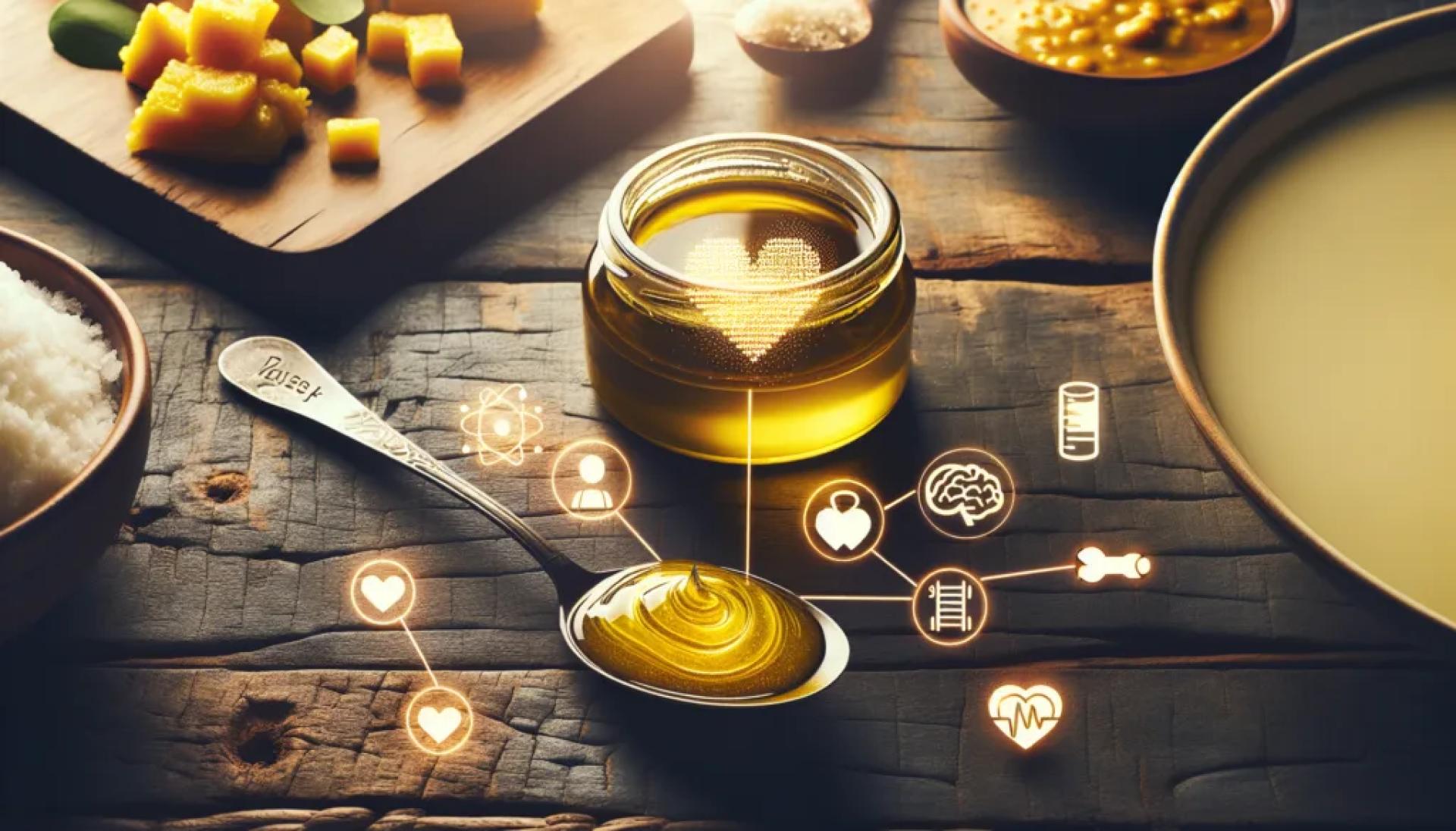

Ghee has been used for centuries in traditional cooking, yet it continues to be a topic of discussion in modern nutrition. Much of this conversation focuses on ghee calories and how they affect weight, cholesterol levels, and overall health. Instead of viewing ghee through extremes, a preventive and diagnostic approach helps clarify how it truly fits into daily nutrition.
This article breaks down calories in ghee, portion considerations, metabolic impact, and how routine health tests help evaluate its long-term effects.
Calories in Ghee: A Clear Breakdown
Ghee is produced by clarifying butter, which removes water and milk solids and leaves behind concentrated fat. This process significantly increases its calorie density.
- 1 teaspoon of ghee contains approximately 40–45 calories
- 1 tablespoon of ghee contains approximately 120–130 calories
Almost all ghee calories come from fat. Ghee provides negligible protein and carbohydrates, making portion control critical when including it in meals.
Why Ghee Is Considered a High-Calorie Fat
Compared to many cooking oils, ghee delivers more calories per spoon because:
- It is nearly 100% fat
- It contains minimal water content
- Fat provides 9 calories per gram
This means even small increases in portion size can significantly raise total daily calorie intake.
How Ghee Calories Influence Weight and Energy Balance
From a preventive health perspective, weight changes are influenced by long-term calorie balance rather than individual foods. Calories in ghee can contribute to weight gain if they regularly push daily intake beyond energy needs.
However, when used in controlled portions:
- Ghee can enhance satiety
- It may reduce the need for repeated cooking oil use
- It can help maintain consistency in traditional diets
The key factor is whether ghee replaces other fats or simply adds extra calories.
Recommended Portion Awareness for Ghee
There is no universal limit for ghee consumption, but preventive nutrition emphasizes moderation.
General wellness guidance includes:
- Using teaspoons rather than tablespoons for daily cooking
- Avoiding multiple servings in a single meal
- Being mindful when ghee is combined with fried or refined foods
For individuals with lipid disorders or metabolic conditions, intake should align with clinical guidance and lab values.
Nutritional Components Linked to Ghee Calories
Although calorie-dense, ghee also contains:
- Fat-soluble vitamins such as vitamin A
- Butyrate, a fatty acid linked to digestive processes
- Stable fats suitable for high-temperature cooking
These components support dietary quality only when ghee intake remains controlled. Excess ghee calories can outweigh these benefits.
Potential Risks of Excess Calories in Ghee
Consistently high intake of ghee may contribute to:
- Increased saturated fat consumption
- Changes in cholesterol balance in susceptible individuals
- Gradual fat accumulation due to calorie surplus
Preventive health does not rely on assumptions. Instead, it evaluates these risks using measurable biological indicators.
Health Tests That Reflect the Impact of Ghee Consumption
From a diagnostic standpoint, dietary fat intake is best assessed through routine laboratory testing. Important markers include:
- Lipid profile (total cholesterol, LDL, HDL, triglycerides)
- Fasting blood glucose and long-term glucose markers
- Body weight and waist circumference trends
These markers provide objective insight into how the body responds to dietary patterns over time.
Smart Ways to Use Ghee Without Excess Calories
Preventive wellness focuses on sustainable habits rather than restrictions:
- Measure ghee instead of free-pouring
- Rotate fats by combining ghee with plant-based oils
- Pair ghee-rich foods with fiber-heavy vegetables
- Avoid daily use in multiple meals
These adjustments help manage ghee calories without eliminating traditional foods.
When Preventive Health Monitoring Is Important
Routine health checkups are especially valuable when:
- Dietary fat intake has increased
- Family history includes cholesterol or heart-related conditions
- Weight or energy levels change gradually
Early testing helps detect subtle changes before symptoms appear.
Clarifying Common Misconceptions About Ghee
Myth: Ghee can be eaten freely because it is traditional
Reality: Traditional foods still contribute calories and require moderation
Myth: Ghee alone improves metabolism
Reality: Metabolic health depends on total diet and lifestyle
Myth: Completely avoiding ghee is necessary
Reality: Small, measured amounts can fit into balanced nutrition
Preventive and Diagnostic Viewpoint
From a clinical perspective, foods like ghee should be evaluated using data, not trends. Laboratory results reveal how consistent dietary habits influence internal health markers over time.
Long-term patterns matter far more than occasional consumption.
Medical Disclaimer:
This content is intended for educational purposes only. It does not replace medical advice or diagnosis. Laboratory results must be interpreted by qualified healthcare professionals.
Conclusion
Ghee is a calorie-dense fat that can be included in daily meals when used thoughtfully. Understanding ghee calories, practicing portion control, and monitoring health markers supports informed, preventive decision-making.
Balanced nutrition paired with regular health evaluation allows individuals to enjoy traditional foods while protecting long-term wellness.





























Sign in to leave a comment.