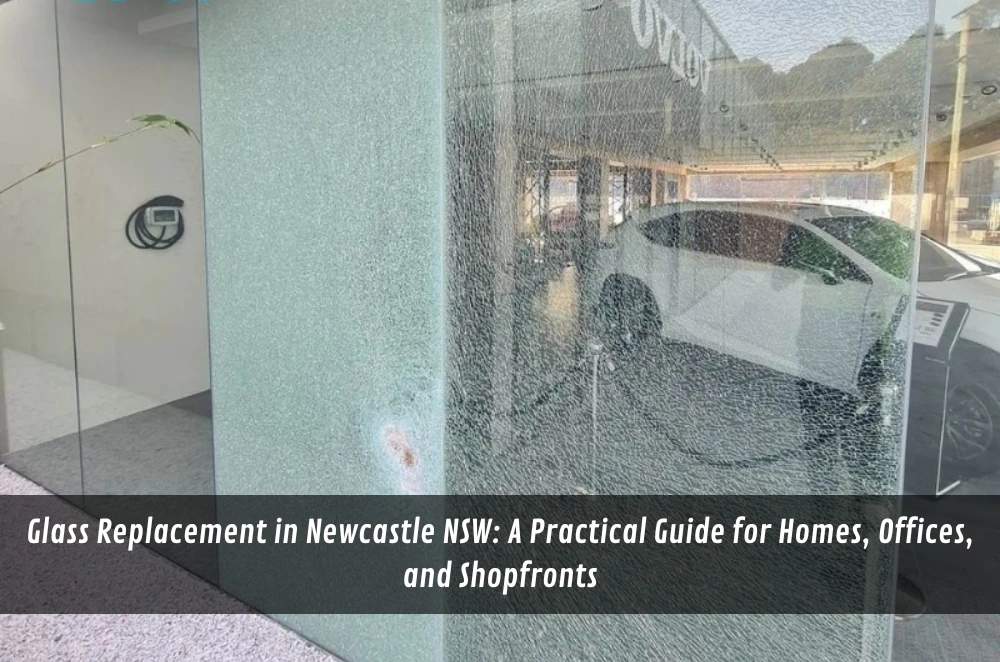

Glass never seems to break on a quiet day.
It’s usually right before guests arrive, just as a storm rolls in, or when staff are due back from lunch.
If you’re organising glass replacement in Newcastle, the best result comes from two things: making the site safe fast, and replacing the panel with the right glass for the job.
Done well, it’s a once-and-done fix.
Done poorly, it becomes a repeat headache.
What counts as glass replacement?
Glass replacement means removing damaged, unsafe, or non-compliant glass and fitting a new panel that suits the opening.
That could be a cracked window, smashed sliding door, broken shopfront, bathroom glass, or an office partition.
Sometimes it’s a straight swap.
Sometimes the replacement must be safety glass, even if the old panel wasn’t.
That’s where people get caught out.
Step 1: Make it safe before you think about the “final” fix
If the glass is cracked, chipped at the edge, or already shattered, treat it as unstable.
Keep kids, pets, customers, and staff away from the area.
Don’t lean things against it.
Don’t “test” it with a push.
Wear enclosed shoes.
Use a broom and dustpan, not bare hands.
If the opening is exposed to wind or rain, cover it with a barrier that won’t flap loose and tear free.
Practical opinion: Safety comes first, even if it’s inconvenient.
For businesses, it’s also about duty of care.
For homeowners, it’s about avoiding a nasty injury.
When “make-safe” is the smart move
Make-safe is the short-term stabilisation before the proper replacement goes in.
It’s common when:
- The opening affects security (doors, shopfronts)
- The glass is public-facing
- The panel could fall or shift
- Weather exposure could damage the inside of the building
One-line truth: make-safe now often prevents a much bigger mess later.
Step 2: Replace properly (glass is simple until it isn’t)
A lot of replacement problems come down to spec and fit.
Not the glass itself.
A solid replacement considers:
- Glass type: clear, tinted, obscure/frosted, laminated, toughened
- Safety requirements: doors, bathrooms, and impact zones often need safety glass
- Thickness: affects strength, weight, and how it sits in the frame
- Frame condition: warped timber, tired seals, loose beading, corroded channels
- Clearances and packing: too tight stresses edges; too loose rattles and leaks
One-line reminder: edge pressure is one of the fastest ways to break new glass.
If you’re unsure what’s currently installed, a glazier can usually tell from markings, edges, and how the panel is fixed.
Homes: the common “break points” in Newcastle and the Central Coast
Windows and sliding doors
Hairline cracks can travel with temperature changes and frame movement.
If the crack is near a corner, it can spread faster than you’d expect.
If it’s in a door, treat it as urgent.
A door is an impact zone, not just a view.
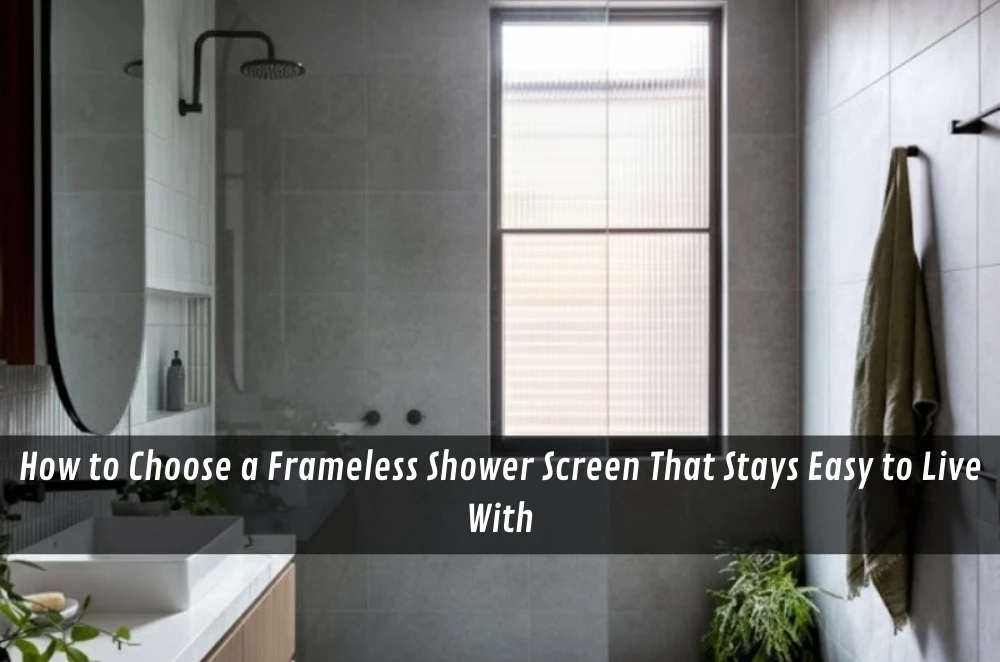
Shower screens
Most shower panels are toughened safety glass.
A tiny edge chip or misaligned hinge can create stress over time.
If a shower panel failed suddenly, it’s worth checking brackets and alignment as well as replacing the glass.
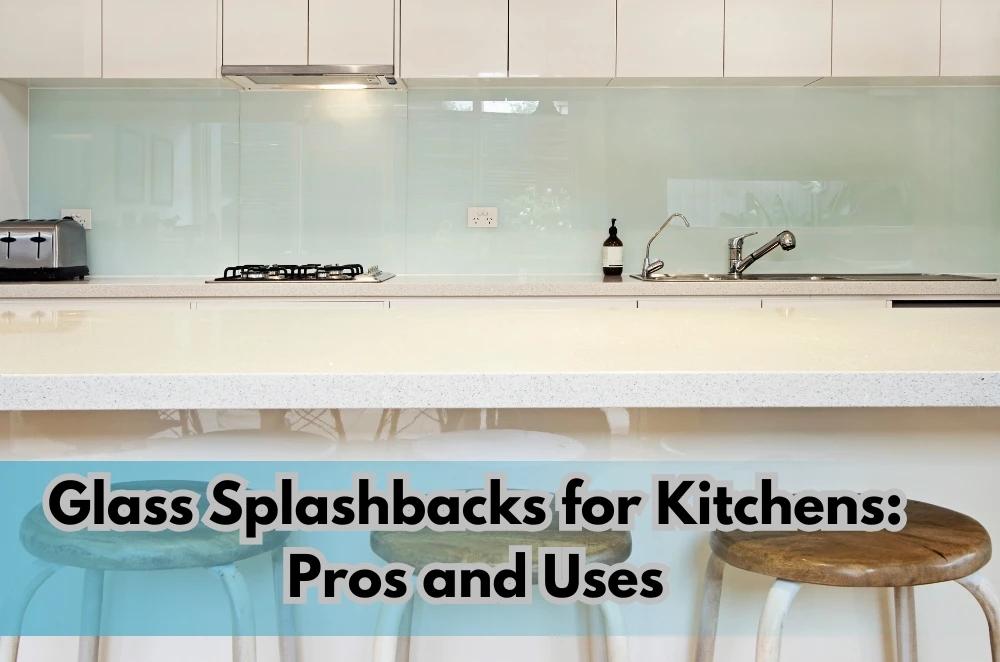
Splashbacks
Splashbacks often need precise measuring around power points, cupboards, and rangehoods.
They’re not a “close enough” job.
A few millimetres off can mean a full remake.
Businesses: shopfronts, partitions, and “keep the doors open” installs
For commercial sites, Newcastle glass team is often about continuity.
You want the space safe, presentable, and functional with minimal downtime.
Shopfront glass needs a secure fit and proper weather sealing.
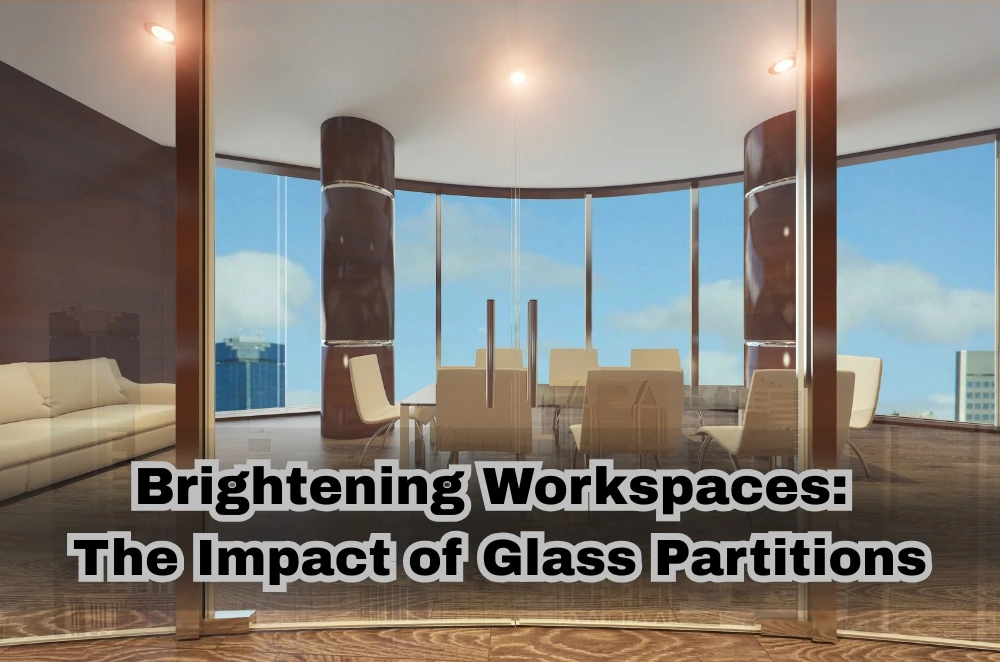
Office partitions need clean lines and the right level of privacy.
Clinics and reception areas often need frosting or obscure finishes to manage sightlines.
One-line truth: mismatched glass is more noticeable in a workplace than people expect.
If the panel sits in a walkway, consider visibility markings so staff and visitors don’t walk into it.
That’s especially relevant in bright Newcastle sun when reflections hide edges.
Operator experience moment
On real jobs, the break is often the last symptom, not the first. Doors sag, frames shift slightly, seals harden, and the glass takes the stress until it doesn’t. I’ve also seen temporary “hold it together” fixes create new pressure points that turn a crack into a full break.
Toughened vs laminated: a plain-English explanation
Toughened glass is heat-treated and breaks into small pieces when it fails.
Laminated glass has a bonded layer that helps it stay together if it cracks.
Both can be used as safety options, depending on where the glass is installed and what risks exist.
One-line takeaway: safety glass is about reducing injury risk, not just being “stronger”.
What affects cost and timing (without the fluff)
Even before quoting, the variables are predictable:
- size, thickness, and glass type
- safety requirements
- cut-outs (handles, hinges, power points)
- access (upper storey, tight site, busy frontage)
- emergency make-safe vs scheduled replacement
- frame repairs, seal replacement, or hardware adjustment
Practical opinion: Fix the cause while you’re there, not just the symptom.
If you’re comparing options locally, this overview of Intrinsic Glass replacement services in Newcastle explains what’s typically involved from make-safe through to install.
How to reduce the chances of repeat breakage
If the same spot breaks twice, assume something is applying stress.
Common causes include:
- doors rubbing due to misalignment
- frames moving with settlement or coastal weather
- brackets tightened unevenly on shower screens
- incorrect packing or missing setting blocks in frames
- impact risk in busy areas without clear visibility
One-line truth: the best replacement is the one you don’t have to revisit.
Practical opinion: If people can bump into it, prioritise compliant safety glass.
Australian SMB mini-walkthrough: cracked office partition, minimal disruption
A Central Coast office notices a crack near the entry partition.
They cordon off the area and move desks back.
They photograph fixings, frame condition, and any glass markings.
They decide whether frosting needs to match existing panels.
They organise a make-safe if the panel feels unstable.
They schedule installation outside business hours and re-check door alignment after.
Key Takeaways
- For glass replacement in Newcastle, safety and correct spec matter more than speed alone.
- Make-safe is often the right first step for public areas, security risks, and weather exposure.
- Doors, bathrooms, and high-traffic zones commonly require safety glass.
- Home jobs often fail again when frames, seals, or hardware issues aren’t addressed.
- Commercial installs should balance safety, consistency, and downtime planning.
Common questions we hear from Australian businesses
How do we choose the right glass without over-specifying it?
Usually you start with how the space is used, not the glass catalogue. Walkways, doors, and reception areas often need safety glass and better visibility controls. Next step: list the risks (impact, privacy, noise, security) and ask for a recommendation that matches the location and foot traffic typical in NSW workplaces.
What should we do internally before the glazier arrives?
In most cases, clearing access is what saves time on site. Move desks, signage stands, and stock away from the panel, and nominate one person to approve the final finish. Next step: take a few clear photos of the frame and any markings on the glass so the replacement can be planned properly—handy when you’ve got multiple sites across Newcastle and the Coast.
We want glass partitions for wellbeing and light, but still need privacy—what’s the middle ground?
It depends on what you’re trying to hide. Many offices use partial frosting (bands or gradients) so you keep natural light while controlling direct sightlines. Next step: mark the privacy “hot spots” (reception seating, consultation desks, meeting rooms) and choose frosting coverage that suits how people actually move through the space.
How do we know the replacement was installed properly?
Usually the clues are simple: the panel sits evenly, seals are continuous, doors swing and latch smoothly, and nothing rattles. For partitions, alignment and consistent gaps matter too. Next step: do a slow walk-around from different angles and lighting—reflections in Australian daylight make installation issues easier to spot.
Sign in to leave a comment.