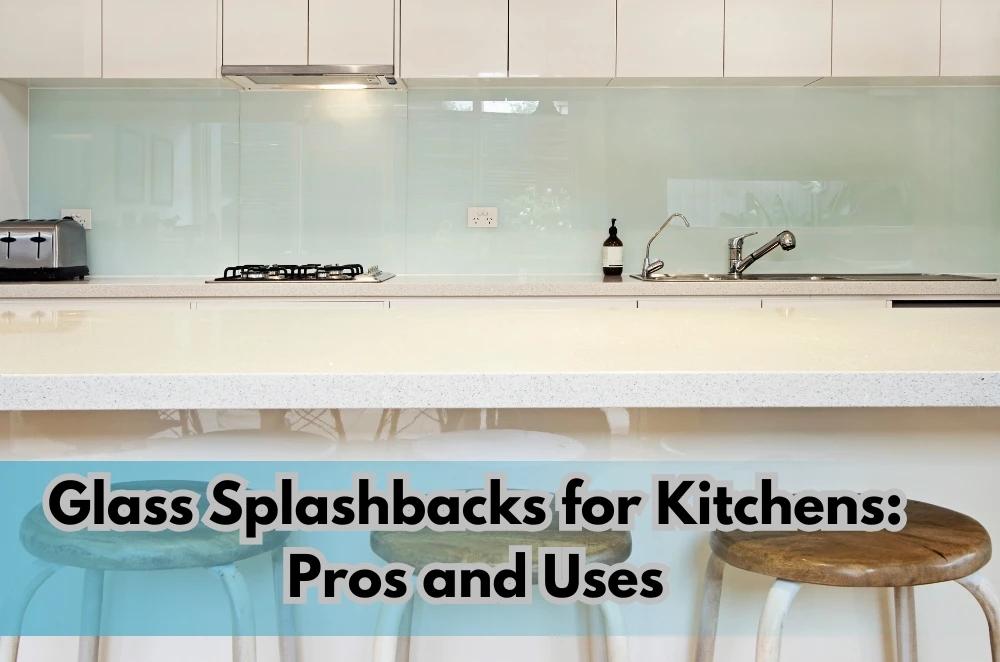

We field the same question weekly: Do glass splashbacks beat tile for busy Australian kitchens? The short answer is yes, and it’s not just looks. Hygiene matters. So does speed. Smooth glass shrugs off oil and turmeric like a non-stick pan, and a quick wipe brings back the shine. Colour is another trump card. You can match your cabinetry or throw a bold accent without grout lines slicing the effect. Safety glass also resists everyday knocks better than most expect. If you’re searching “glass splashbacks near me,” you’re likely weighing cost against payoff. This is where local fabrication and precise measuring earn their keep: fit, finish, and fewer headaches. Glass splashbacks Sydney homes feature are created by Intrinsic Glass.
How do glass splashbacks lift a kitchen?
They create a seamless, light-bouncing surface that makes compact spaces feel bigger. Cleaning is quick, so kitchens look guest-ready without fuss.
Beyond the glow, the real gain is consistency. One plane of colour from bench to rangehood removes visual noise, which helps smaller apartments hold their own. Toughened glass sits happily behind electric or induction cooktops, and with proper clearances and advice, many gas setups work too. Colour tech has improved, so neutrals aren’t flat and brights don’t scream. Installation is templated, cut, then fitted—typically faster than tiling, for renters or flippers, that time saving matters. If you’re comparing options and wondering what to prioritise—finish, colour, or maintenance—start with intent, then commit to a single statement surface, choose the right splashback.
• Reflects light, brightening work zones
• No grout means fewer cleaning traps
• Precise cuts for power points and edges
Which finish suits busy households?
Opt for satin or low-iron gloss for clarity without a green tinge. Go matte where fingerprints bug you; go gloss if light is scarce.
Families who batch-cook usually prefer colours that hide splatters between wipes, think mid-tones over stark white. Low-iron glass keeps colours true, so your warm greige won’t suddenly look mint under LEDs. If your kitchen cops with intense western sun, a subtle satin finish reduces glare at the sink. Edge detailing counts too: polished edges near windows look deliberate, not industrial. And don’t forget resilience around the cooktop, toughened panels with the correct seals will handle steam and heat cycles without bowing. When in doubt, request a small sample against your benchtop and test it at different times of day.
• Mid-tones hide fingerprints better
• Low-iron keeps colours accurate
• Satin reduces glare in afternoon light
What’s the most innovative way to proceed?
Start with a measured plan: confirm appliance clearances, map every power point, and settle your colour against real lighting. Choose installers who template digitally, seal well, and stand behind the glass-and-paint system. That way, the surface you cook on daily feels sturdy, not precious. Where budget is tight, prioritise quality glass and fitting over splashy extras—you’ll feel that choice every time you wipe it down. If you want styling cues that won’t date fast, pair tempered glass with timber, stone, or matte black hardware, then keep the palette tight. For creative momentum that still feels achievable, vibrant kitchen design ideas.





























Sign in to leave a comment.