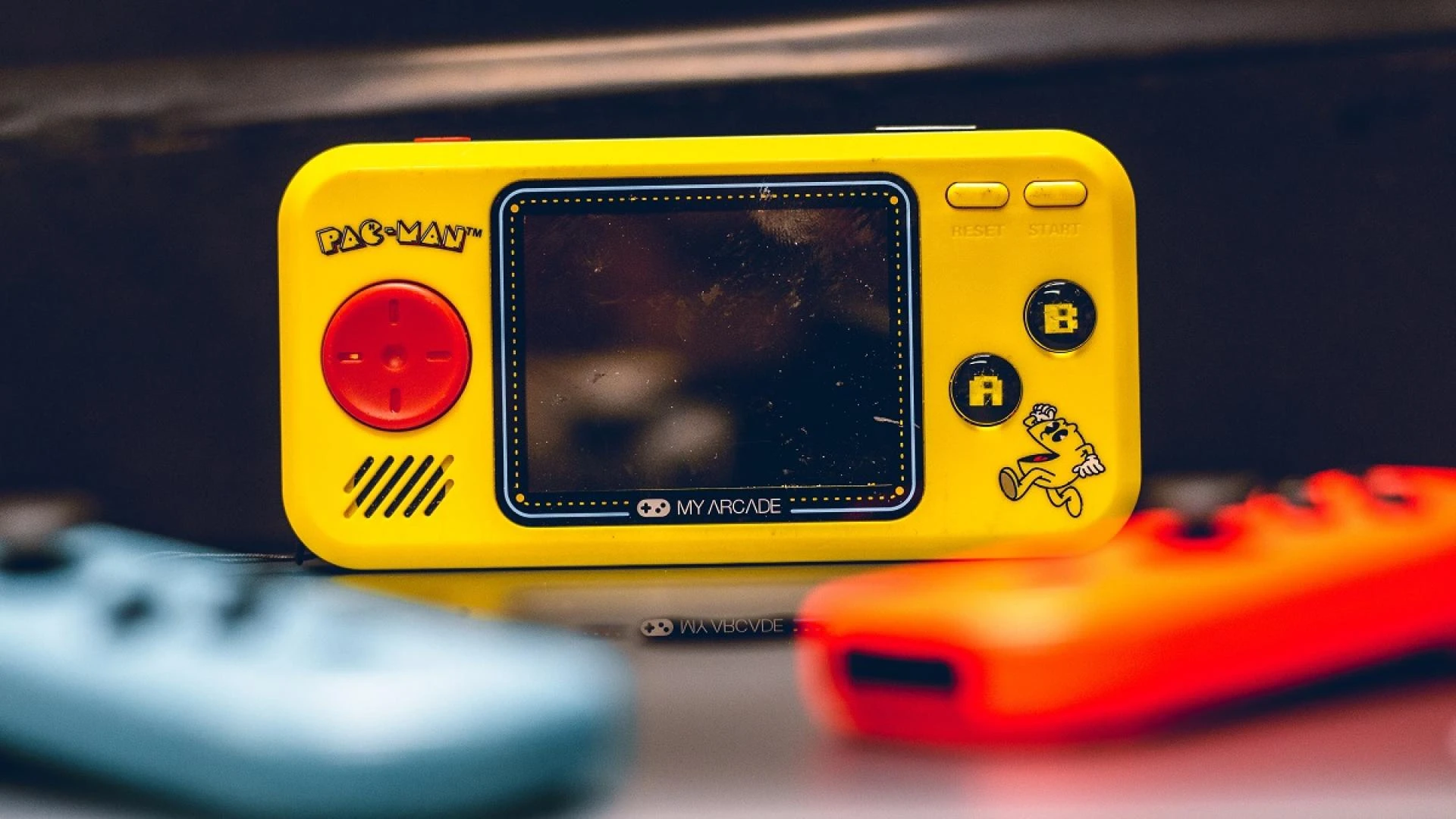

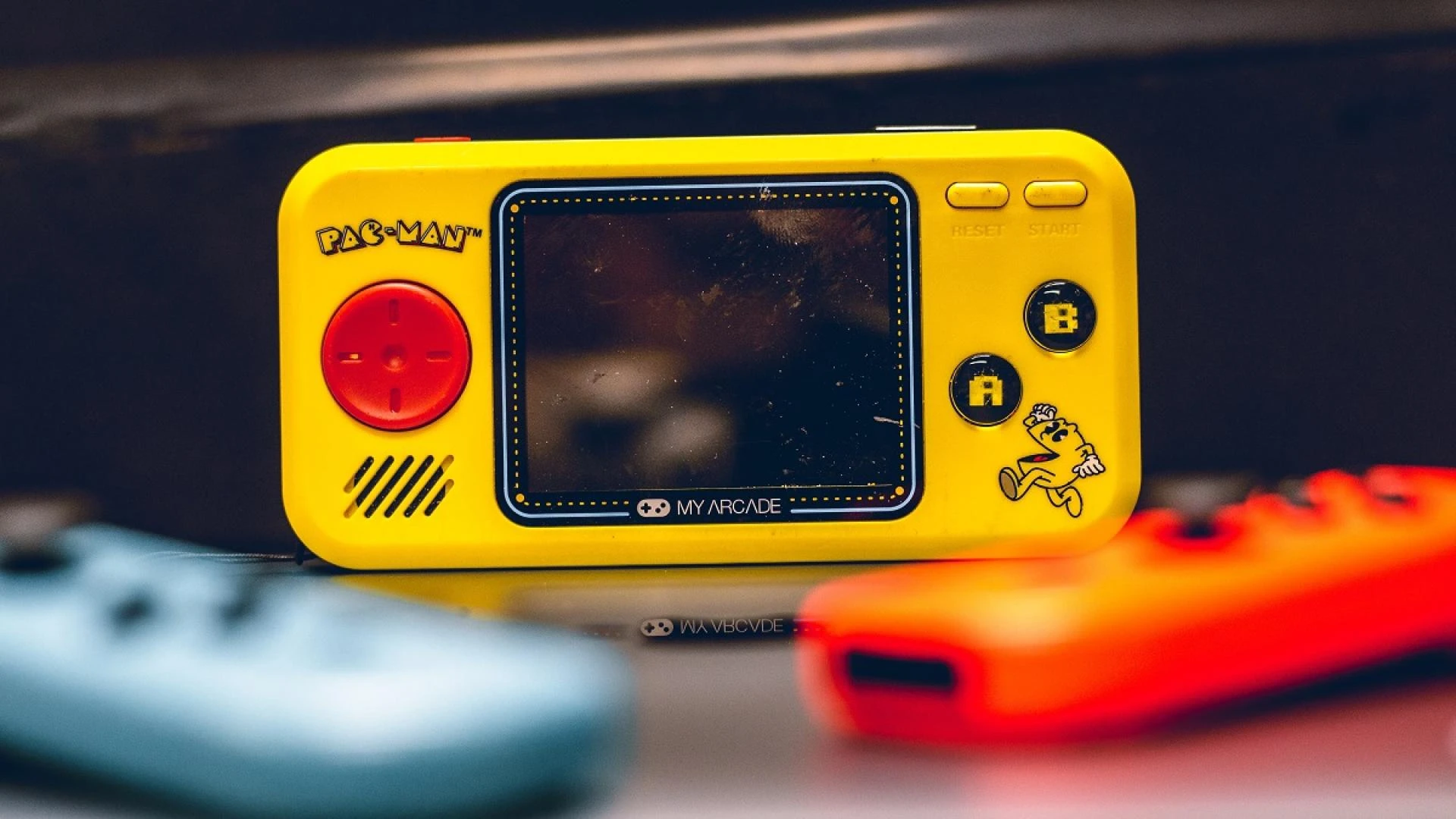
In the ever-shifting landscape of video games, there are icons that stand the test of time, and then there's Pac-Man. As we celebrate the Pacman 30th Anniversary of this beloved game, it's worth taking a nostalgic journey through time to reflect on how this simple yellow character with an insatiable appetite for dots has become a timeless symbol of fun and gaming culture.
The Birth of a Classic
Pac-Man, created by Toru Iwatani and released by Namco in 1980, was a revolutionary departure from the norm in the early days of arcade gaming. Instead of the usual space invaders or shoot-'em-ups, Pac-Man featured a charming, pizza-shaped character navigating a maze, devouring dots, and avoiding colorful ghosts.
The brilliance of Pac-Man lay in its simplicity. It was easy to understand and play, making it accessible to a wide range of people, from hardcore gamers to casual players. This accessibility was key to its initial success, drawing in a diverse audience and setting the stage for what would become a gaming phenomenon.
The Golden Age of Arcades
The early 1980s marked the golden age of arcades, and Pac-Man was at the forefront of this cultural phenomenon. Arcades became social hubs where friends gathered to compete for high scores and create lasting memories. Pac-Man's unique blend of strategy, reflexes, and a dash of luck made it a perfect fit for this arcade culture.
One of the most fascinating aspects of Pac-Man was the distinct behavior of its four ghosts: Blinky, Pinky, Inky, and Clyde. Each ghost had its own unique personality and strategy, adding depth and unpredictability to the game. Learning to anticipate and outsmart these ghostly adversaries became a crucial skill for dedicated players.
Evolving with the Times
Pac-Man didn't rest on its laurels; it evolved. In 1982, Ms. Pac-Man was introduced, building upon the success of the original by offering new mazes and faster gameplay. This sequel demonstrated that the Pac-Man formula had room for expansion and improvement without losing its charm.
As technology advanced, Pac-Man continued to adapt. 3D versions, such as "Pac-Man World," brought the character into the third dimension, while titles like "Pac-Man Championship Edition" injected modern twists into the classic gameplay. These adaptations ensured that Pac-Man remained fresh and relevant, captivating new generations of players while retaining its core appeal.
Cultural Impact and Merchandising Galore
Pac-Man's influence extended far beyond the realm of gaming. His iconic design, a simple yellow circle with a slice missing, became instantly recognizable. This design graced everything from clothing to lunchboxes, making Pac-Man a pop culture phenomenon.
Pac-Man's appeal transcended gaming, making appearances in TV shows, movies, and advertising campaigns. In the world of art, Pac-Man inspired countless fan creations and even found its way into the work of renowned artists. This widespread cultural reach showcased the enduring impact of the game and its ability to captivate audiences well beyond the arcade.
Competitive Pac-Man
Pac-Man wasn't just a casual pastime; it was a competitive pursuit. Gamers worldwide vied for high scores and participated in intense rivalries. Pac-Man championships became serious affairs, where players showcased their skills and pushed the limits of the game.
Competitive Pac-Man players took the game to new heights, uncovering advanced strategies and patterns that casual players might never have imagined. They transformed Pac-Man from a simple game into a nuanced art form, showcasing the depth hidden beneath its deceptively simple surface.
Modern-Day Pac-Man
Today, Pac-Man is more accessible than ever. While traditional arcades have dwindled, Pac-Man remains a beloved classic, available on various platforms, including smartphones, consoles, and online emulators. It continues to entertain new generations of players while welcoming back nostalgic veterans.
Modern adaptations, such as "Pac-Man 256" and "Pac-Man Championship Edition DX," have breathed new life into the franchise. These titles capture the essence of the original while introducing innovative twists and mechanics, catering to the expectations of contemporary gamers.
Pac-Man: A Timeless Classic
In a gaming landscape filled with complex narratives, photorealistic graphics, and sprawling open worlds, Pac-Man stands as a reminder that great games don't need to be elaborate to be timeless. It's a testament to the enduring power of simplicity and fun.
Pac-Man's journey from a humble arcade game to a global cultural icon is a remarkable one. It's a journey filled with joy, nostalgia, and a sense of togetherness as players from all walks of life have gathered around arcade cabinets, consoles, and screens to gobble up dots and outsmart ghosts.
As we celebrate the 30th anniversary of Pac-Man, we celebrate not just a game but a symbol of joy and a testament to the timeless appeal of well-designed, accessible gameplay. Here's to another 30 years of chomping dots, evading ghosts, and celebrating the enduring legacy of Pac-Man.

































Sign in to leave a comment.