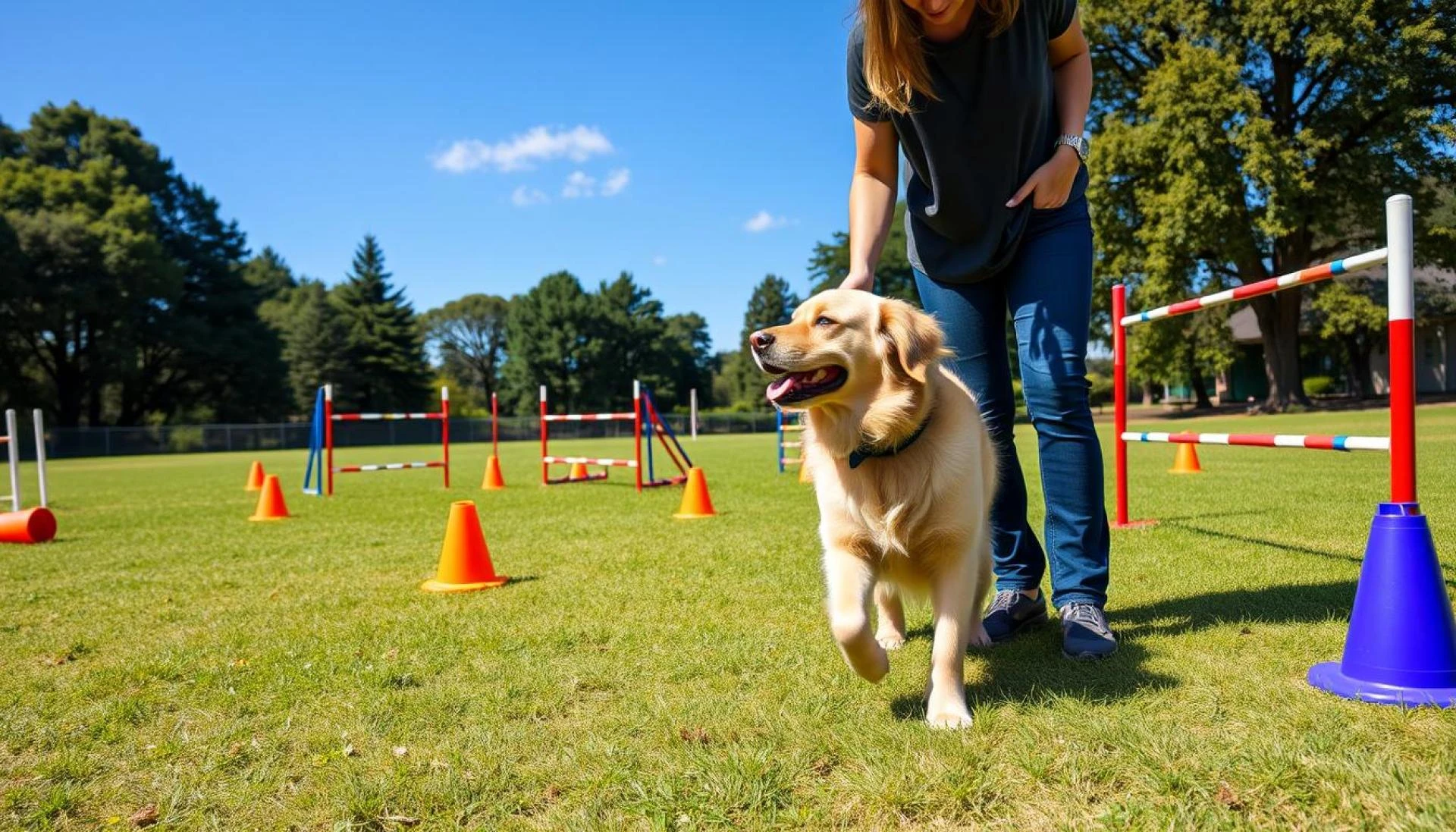

Golden retriever training has evolved significantly in recent years, with Australian veterinary professionals increasingly advocating for evidence-based approaches that address the breed's unique behavioural patterns. For both novice and seasoned dog owners, knowing efficient training techniques has become crucial as pet ownership soars across the nation.
69% of Australian homes already possess a pet, according to recent research, and golden retrievers are among the most popular breeds in the country. Many dogs are suffering from separation anxiety and behavioral regression as a result of the post-pandemic environment, which has increased training requirements as families resume their regular schedules and jobs.
The Science Behind Modern Training Methods
The use of evidence-based methods in golden retriever training is becoming more and more popular among Australian veterinarians. The RSPCA Australia policy statement affirms that "the most humane and effective training method is positive reinforcement training, which is supported by research as the gold standard and recommended by the RSPCA and veterinary profession."
Training results differ significantly, according to recent comparison research. Dogs trained using reward-based methods maintained a 94% home retention rate after one year, compared to just 40% with conventional ways, according to research comparing positive reinforcement with traditional methods.
These results show more profound neural advantages than mere compliance. Golden retrievers' brains release dopamine and other chemicals that fortify neuronal networks when they are rewarded for desired behaviors. Instead of conformity based on fear or subordination, this biological reaction fosters a sincere love of learning.
Since 2024, virtual training services have increased by 300% nationwide, reflecting both shifting owner preferences and technology advancements. The ability to learn alongside expert trainers while keeping their dog comfortable in familiar settings is something that many families value.
Critical Developmental Windows
For successful training, knowledgeable owners can take advantage of the predictable patterns in golden retriever development. The most critical time is between 8 and 18 months, when boundary testing and teenage energy combine to produce especially difficult behaviors.
Around 8 to 12 weeks and again around 6 months, puppies go through different terror phases. While favorable exposure boosts confidence during these periods, unpleasant experiences can result in long-lasting phobias. During these times, professional trainers advise controlled socialisation as opposed to excessive exposure.
Many Australian families find the unique challenges of the adolescent stage to be too much to handle. As they grow in size and strength, golden retrievers retain their puppy enthusiasm, posing management issues that call for certain approaches. When exercise and mental stimulation are insufficient to meet their energy needs, their calm disposition may conceal the severity of those needs, resulting in harmful behaviors.
Adult golden retrievers need a lot of exercise each day; two hours of varied activity is normal. This covers activities for cerebral enrichment, swimming, unstructured play, and walking. Even well-trained dogs may exhibit negative behaviors that strain the relationship between humans and animals if they don't have enough outlets.
Owners can maintain reasonable expectations and give the right direction by being aware of these developmental stages. Professional programs, such as those offered by specialised facilities likePuppy to Dog School, often incorporate these developmental insights into their comprehensive training approaches.
Predominant Behavioural ChallengesExcessive Jumping and Excitement
Golden retrievers greet guests with such enthusiasm that their whole body is filled with excitement. Although this behavior is a result of their social nature, it needs to be controlled for their safety and acceptance by others.
Instead than focusing on suppression, effective treatments emphasise impulse control. Redirecting their enthusiasm correctly involves teaching them alternative greeting behaviors, including sitting for attention. All family members should be consistent to avoid sending conflicting messages to the dog, which could impede training progress.
Leash Pulling and Walk-Time Management
The golden retriever's natural curiosity can turn leisurely walks into taxing physical experiences. Both owners and pedestrians are concerned about their safety because of their strong build, which increases pulling force.
Training a leash successfully starts before you leave home. While mental stimulation activities exhaust the mind just as effectively as physical exercise, pre-walk exercise aids in the release of pent-up energy. Although teaching loose-leash walking takes time, it benefits both the dog and the person.
Destructive Chewing and Digging
Anxiety and boredom show themselves as destructive behaviors that put the dog in danger and cause damage to property. Because of their powerful jaws and tenacious dispositions, golden retrievers require proactive care rather than reactive care.
Giving them the right outlets allows them to chew while keeping furniture and possessions safe. Interest is maintained with rotating chew alternatives, puzzle toys, and frozen goodies. It is possible to reroute digging to certain locations where it is no longer considered problematic.
Separation Anxiety Following Pandemic Changes
Many Australian dogs have developed separation anxiety as a result of returning to the office. Since they were designed for intimate human relationships, golden retrievers frequently have a harder problem staying alone than other breeds.
Programs for gradual desensitisation assist dogs in acclimating to new habits. Short separations during non-work periods foster independence and build confidence for extended absences. In extreme situations involving damaging behavior or excessive vocalisation, professional assistance might be required.
Over-Socialisation Leading to Poor Boundaries
Golden retrievers' friendly nature can become problematic when they assume every person and dog wants interaction. This enthusiasm, while endearing, can create uncomfortable situations in public spaces and social settings.
Teaching controlled greetings and recall commands provides owners with tools for managing social situations effectively. Dogs learn to wait for permission before approaching others, respecting boundaries while maintaining their naturally social disposition.
Professional Training Solutions and Technology Integration
Technology advancements are incorporated into modern golden retriever training to improve on conventional techniques. Smart collars track behavior patterns and activity levels, giving unbiased information about stress levels and the need for exercise. Video analysis aids owners in honing their technique, while training applications provide professional coaching along with structured programs.
The market for dog training services in Australia shows the increasing sophistication of the options offered. In addition to skill development, group programs offer socialisation opportunities, while private sessions target certain behavioral issues. Expert advice is available from any location thanks to virtual consultations.
Numerous effective programs integrate several strategies. Specific needs are determined by an initial professional evaluation, which is followed by planned training that may involve private sessions, group classes, and continuing assistance. Organisations like Puppy to Dog School have developed comprehensive approaches that address both immediate concerns and long-term behavioural health.
Professional Intervention Guidelines
It is possible to stop minor difficulties from turning into major ones by identifying when amateur attempts call for expert assistance. There are some red flags that point to the necessity of professional evaluation and planned intervention.
Key signs include obsessive behaviors that impair with day-to-day functioning, acute separation anxiety that results in self-harm or property destruction, resource guarding that intensifies despite intervention efforts, and violence toward people or animals regardless of trigger.
Numerous expert resources are available to pet owners in Australia. Trainers with certification in positive reinforcement provide efficient, compassionate solutions for behavioral issues. For difficult cases needing thorough evaluation and treatment, board-certified veterinary behaviorists offer medical and behavioral competence.
The RSPCA operates training programs that combine education with practical skill development, while private facilities offer specialised programs tailored to individual needs. Early intervention typically produces better outcomes while requiring less intensive treatment.
Building Sustainable Training Success
Golden retriever training extends beyond solving immediate problems to creating lifelong learning partnerships. These intelligent dogs thrive on mental stimulation and purposeful activity throughout their lives, requiring ongoing engagement rather than finite training periods.
Successful training programs adapt to changing needs while maintaining core principles of positive reinforcement and clear communication. The investment in proper training pays dividends through years of companionship, with well-trained golden retrievers integrating seamlessly into family life.
Professional guidance, whether through established training facilities or individual consultations, provides the foundation for success. With proper approach, patience, and evidence-based training methods, these remarkable dogs fulfil their potential as loving, well-behaved family members who bring years of happiness to their human companions.
The future of golden retriever training lies in continued research and application of positive reinforcement principles, ensuring both dogs and their families thrive in harmonious relationships built on mutual understanding and respect.






























Sign in to leave a comment.