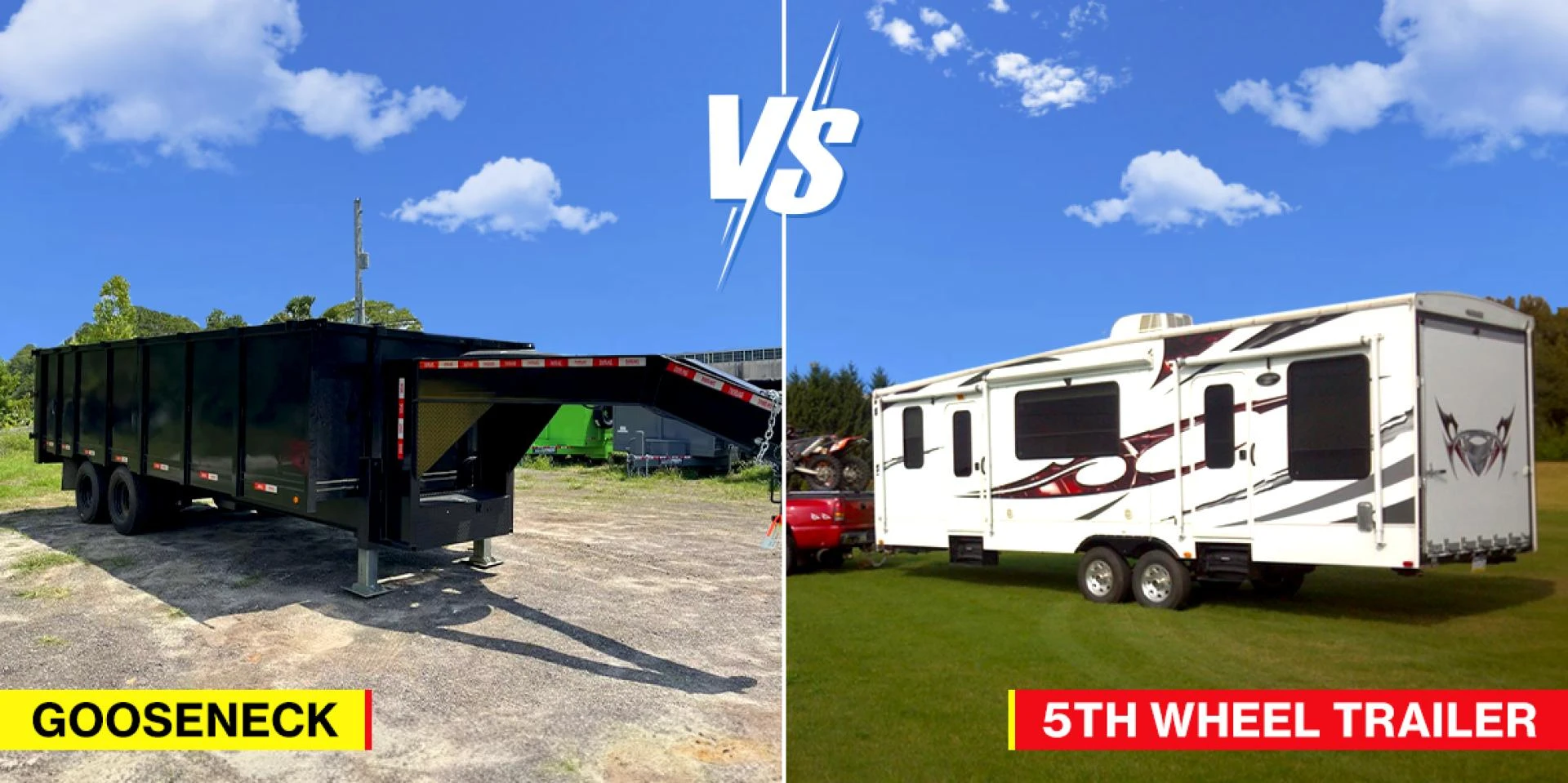

When it comes to towing trailers, selecting the right hitch can make a world of difference. Two common options are Gooseneck and 5th Wheel hitches. If you're asking yourself, What Is the Difference between Gooseneck and 5th Wheel Trailer Hitches for Towing?, you’ve come to the right place. This guide will help you understand the key differences, pros and cons, and which hitch is best suited for your towing needs.
What Is a Gooseneck Hitch?
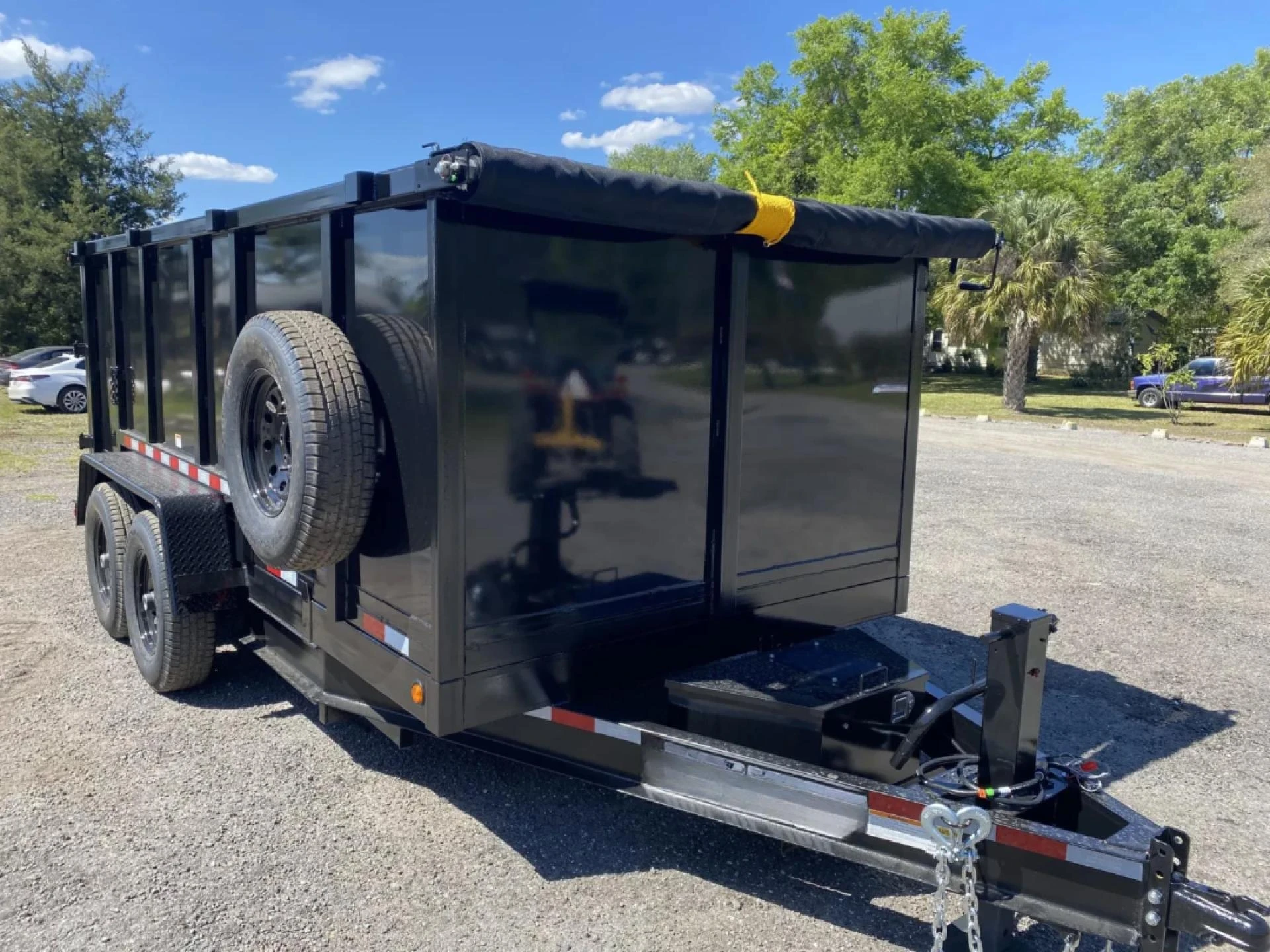
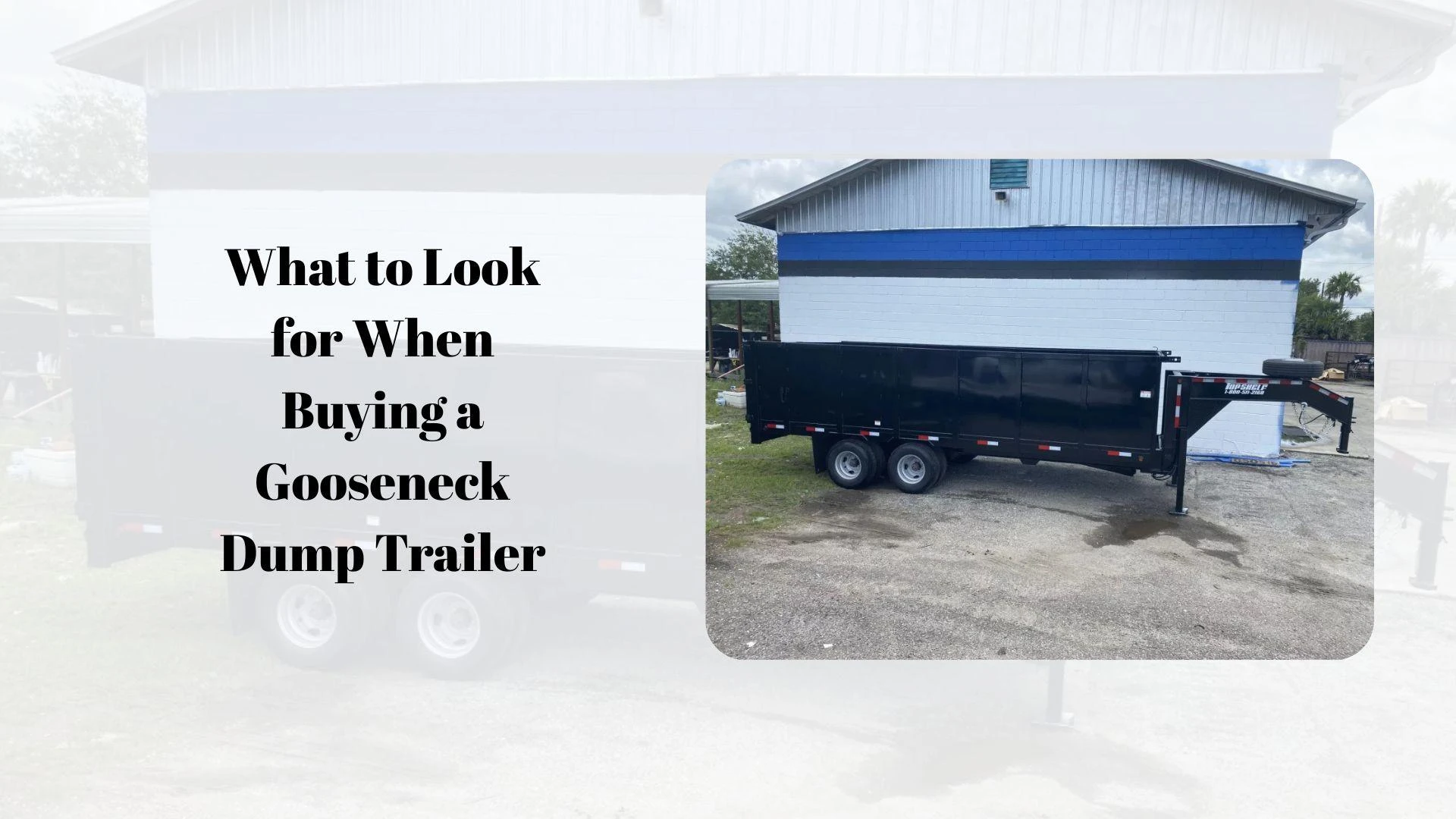
A Gooseneck Hitch is a heavy-duty hitch mounted in the bed of your truck, directly over or slightly in front of the rear axle. It uses a ball-and-coupler system to secure the trailer. Gooseneck hitches are often used for larger loads and heavy-duty trailers, such as livestock trailers or equipment haulers.
What Is a 5th Wheel Hitch?
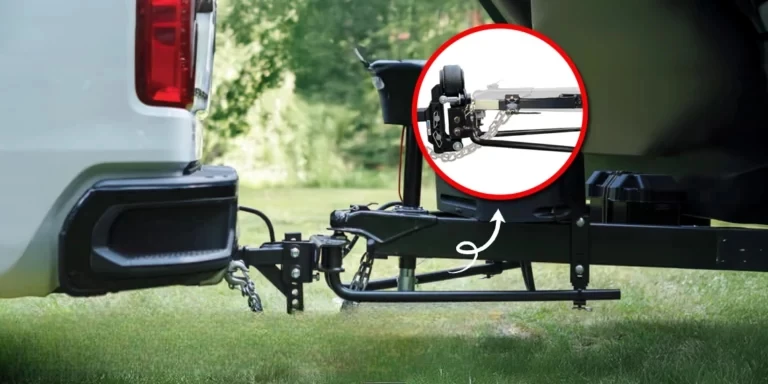
A 5th Wheel Hitch also mounts in the truck bed but uses a large, U-shaped coupler to attach to a kingpin on the trailer. It’s often used for towing RVs, travel trailers, and large cargo trailers. These hitches provide stability and are commonly seen in semi-trucks.
Key Differences Between Gooseneck and 5th Wheel Hitches
Understanding these differences can help you make a more informed decision.
1. Towing Capacity
- Gooseneck Hitch: Generally offers higher towing capacity, with many models capable of pulling between 20,000 and 30,000 pounds. This makes it ideal for heavy-duty applications like hauling construction equipment or large livestock trailers.
- 5th Wheel Hitch: Typically, 5th wheel hitches can handle towing loads of 16,000 to 24,000 pounds. These are perfect for RVs, large campers, or cargo trailers.
2. Maneuverability
- Gooseneck Hitch: A gooseneck hitch allows for a tighter turning radius, which makes it easier to maneuver in tight spaces. This is especially helpful if you’re navigating narrow roads or parking lots.
- 5th Wheel Hitch: While still stable, a 5th wheel requires a larger turning radius. It can be trickier to navigate tight areas, especially in smaller spaces.
3. Installation
- Gooseneck Hitch: Installing a gooseneck hitch typically requires drilling into the truck bed and placing the ball mount over or just in front of the rear axle. This installation can be more involved compared to a 5th wheel hitch.
- 5th Wheel Hitch: The installation for a 5th wheel hitch is usually simpler and involves placing the hitch in a pre-designed mounting system in your truck bed.
Pros and Cons of Gooseneck Hitches
Pros:
- Higher towing capacity: Ideal for larger, heavier loads.
- More maneuverability: Tighter turning radius for easier handling.
- Better for long-hauling: Provides stability for long-distance towing.
Cons:
- Harder to install: Requires drilling and more effort to set up.
- Can be less intuitive to hook/unhook: The ball-and-coupler system can be tricky to connect, especially in tight spaces.
Pros and Cons of 5th Wheel Hitches
Pros:
- Easy to install: Typically quicker to install than gooseneck hitches.
- More stability: Offers better balance and stability for large trailers like RVs.
- Great for long trips: The design allows for smoother towing on highways.
Cons:
- Lower towing capacity: Not ideal for extremely heavy loads.
- Larger turning radius: Requires more space to maneuver and turn.
- Can be difficult for short-bed trucks: Some trucks may require special adapters.
Which Hitch Is Right for You?
Choosing between a Gooseneck or 5th Wheel hitch really depends on your towing needs. Let’s break it down:
Gooseneck Hitch is Best for You If:
- You need to tow extremely heavy loads (over 20,000 lbs).
- You’re frequently towing equipment or livestock.
- You want a hitch that offers more maneuverability and a tighter turning radius.
5th Wheel Hitch is Best for You If:
- You’re mostly towing an RV, camper, or cargo trailer.
- You need a stable, comfortable towing experience for long-distance travel.
- You prefer an easier hitching and installation process.
Conclusion:
Both Gooseneck and 5th Wheel hitches are excellent options for towing, but they’re suited for different situations. The key differences are in their towing capacity, ease of use, and maneuverability. A gooseneck hitch is ideal for heavier loads and tighter turns, while a 5th wheel is perfect for RVs and long-distance trips.
























Sign in to leave a comment.