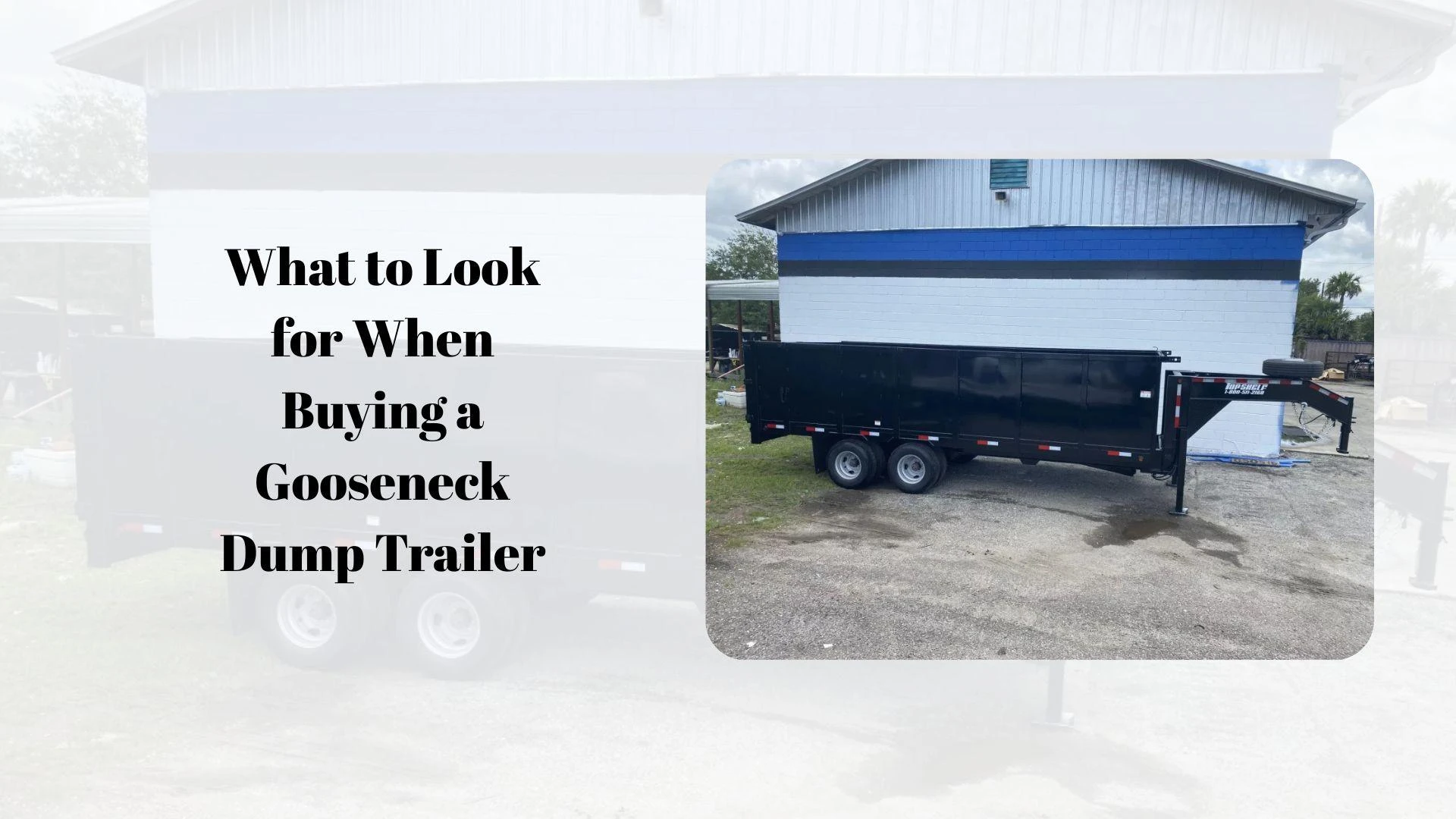

A gooseneck dump trailer is a significant investment for contractors, farmers, landscapers, and hauling professionals who often move heavy materials. Choosing the right trailer affects productivity, safety, compliance, and long-term operating costs. With various sizes, configurations, and features available, it’s important to know what to look for before making a purchase.
Before diving into specifications, it helps to start with the basics.
What Is a Gooseneck Trailer?
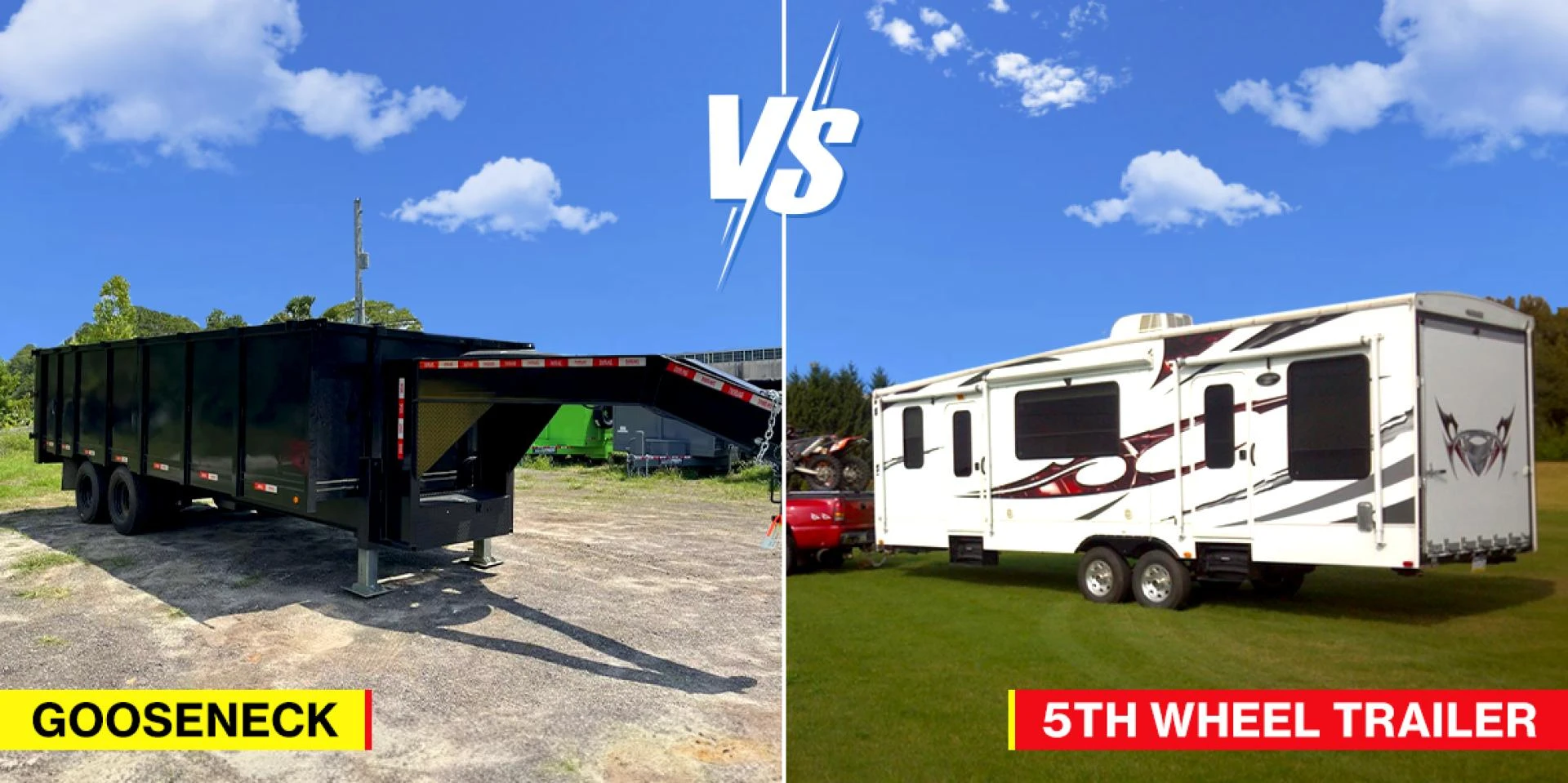
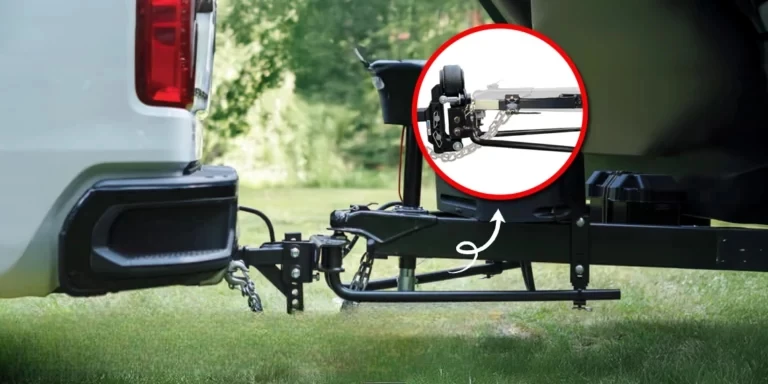
Many buyers want to know “what is a gooseneck trailer?” The differences between a gooseneck trailer from other types are also a common query among buyers. A gooseneck trailer connects to a hitch installed in the bed of a pickup truck instead of a rear bumper hitch. This design allows the trailer to sit over the truck’s rear axle, providing better weight distribution, stability, and control, especially when hauling heavy loads.
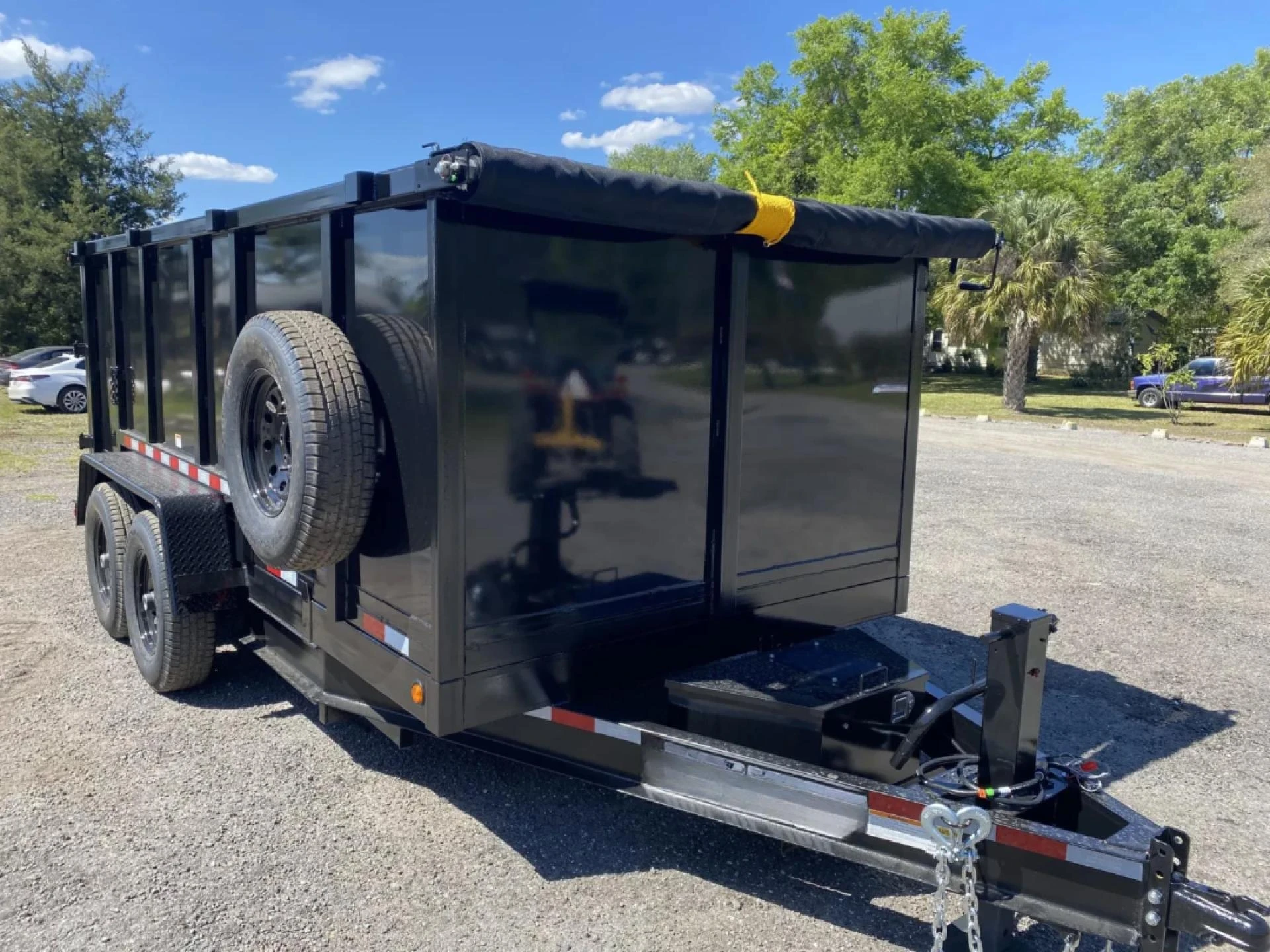
A gooseneck dump trailer combines this hitch style with a hydraulic dumping bed, making it ideal for transporting and unloading gravel, dirt, debris, demolition waste, and agricultural materials.
Determine Your Hauling Needs First
The most important step when buying a gooseneck dump trailer is understanding how you plan to use it. Consider these questions:
- What materials will you haul most often?
- How frequently will you use the trailer?
- Will you be hauling locally or over long distances?
- Do you need high-capacity dumping for job sites or farms?
If you regularly haul heavy materials, investing in a higher-capacity trailer, like a 30,000 lb trailer, may be necessary. Buying too small can limit productivity, while purchasing more capacity than needed can increase costs unnecessarily.
Understand Weight Ratings and Capacity
Weight ratings are crucial when selecting a gooseneck dump trailer. Exceeding these limits can lead to mechanical failure, unsafe towing conditions, and legal issues.
Key ratings to review include:
- Gross Vehicle Weight Rating (GVWR): The maximum allowable weight of the trailer and its cargo combined
- Payload capacity: The amount of material the trailer can safely haul
- Axle ratings: The load each axle is designed to support
For heavy commercial use, many buyers prefer a 30,000 lb trailer because it offers a higher payload capacity, stronger axles, and greater durability under demanding conditions.
Match the Trailer to Your Tow Vehicle
Even the best trailer is only as safe as the vehicle pulling it. Gooseneck dump trailers require a properly equipped truck with:
- A gooseneck hitch installed in the bed
- Adequate towing capacity
- Strong suspension and braking systems
Before purchasing, confirm that your truck can safely handle the trailer’s GVWR when fully loaded. Pulling a 30,000 lb trailer without the right truck setup can compromise safety and performance.
Evaluate Frame and Construction Quality
The frame is the backbone of a gooseneck dump trailer. Look for trailers made with high-quality steel and reinforced crossmembers that can handle repeated heavy loads.
Important construction features to look for include:
- Heavy-duty I-beam or box-tube frames
- Reinforced gooseneck connection points
- Weld quality and corrosion-resistant coatings
A well-built frame ensures longevity and reduces the risk of structural issues over time.
Choose the Right Bed Size and Dump Angle
Bed size directly affects how much material you can haul per load. Longer and wider beds increase capacity but may be more challenging to maneuver in tight spaces.
Also, pay attention to dump angle. A steeper dump angle allows material to slide out more easily, especially for sticky or wet loads like clay or mulch. Poor dump angles can leave material stuck in the bed, increasing cleanup time and effort.
Hydraulic System Performance Matters
The hydraulic system powers the dumping action, so reliability here is critical. When evaluating a gooseneck dump trailer, inspect:
- Cylinder size and placement
- Hydraulic pump quality
- Battery and power system
- Control type (manual or remote)
A strong hydraulic system is particularly important for high-capacity trailers, including 30,000 lb models, which place greater demands on lifting components.
Axles, Suspension, and Tires
Axles and suspension systems play an important role in ride quality and durability. Tandem or triple axle setups are common on heavier trailers and help distribute weight more evenly.
Look for:
- Axles rated appropriately for the trailer’s GVWR
- Heavy-duty leaf springs or suspension systems
- Commercial-grade tires rated for load and speed
Quality tires and axles reduce wear, improve stability, and lower maintenance costs over time.
Braking System and Safety Features
Effective trailer brakes are essential when hauling heavy loads. Most gooseneck dump trailers come with electric or hydraulic brakes on all axles.
Additional safety features to consider include:
- Breakaway brake systems
- LED lighting for visibility
- Reflective tape for road compliance
- Safety chains and emergency connections
These features are especially important when operating on highways or busy job sites.
Ease of Operation and Convenience Features
Modern gooseneck dump trailers often have features that improve efficiency and ease of use. Depending on your needs, look for:
- Remote-controlled dumping
- Side extensions for increased capacity
- Rear combo gates for spreading or dumping
- Toolboxes for storage
While these features may raise upfront costs, they often lead to time savings and improved workflow.
New vs. Used Goose Neck Dump Trailers
Budget considerations often lead buyers to choose between new and used trailers. New trailers offer warranties, modern features, and minimal wear. Used trailers can save money upfront but require careful inspection.
When buying used, inspect:
- Frame integrity and welds
- Hydraulic system performance
- Tire condition and axle wear
- Signs of rust or fatigue
For high-capacity trailers like a 30,000 lb model, condition is especially important, as heavy use can accelerate wear.
Compliance With Local Regulations
Different regions have specific rules regarding trailer weight, braking systems, and load securement. Make sure the trailer you choose complies with local and state regulations to avoid fines or restrictions.
Knowing what a gooseneck trailer is from a regulatory standpoint helps ensure your investment is road-legal and job-ready.
Long-Term Value and Manufacturer Reputation
Finally, consider the manufacturer’s reputation and support network. A well-known brand with accessible parts and service can save you time and money over the life of the trailer.
Look for:
- Warranty coverage
- Availability of replacement parts
- Dealer or service network support
A quality gooseneck dump trailer is a long-term asset, not just a purchase.
Conclusion
Buying the right gooseneck dump trailer requires careful consideration of capacity, construction, safety, and compatibility with your towing vehicle. Understanding what a gooseneck trailer is, evaluating your hauling needs, and choosing the right weight class, whether standard-duty or a 30,000 lb trailer, can significantly impact performance and reliability.
By focusing on quality, safety, and long-term value, you can confidently invest in a gooseneck dump trailer that efficiently supports your work for years to come.
























Sign in to leave a comment.