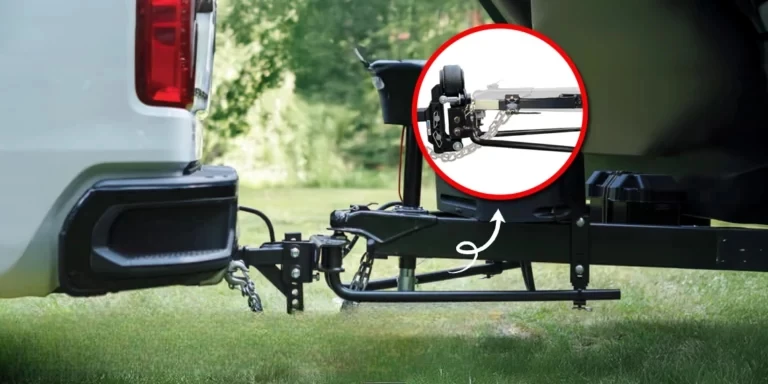

Towing a trailer safely and smoothly requires more than just a strong vehicle—it takes the right hitch setup. One of the most important yet misunderstood tools in towing is the weight-distributing hitch. You’ve probably seen it mentioned in forums, product guides, or even by your trailer dealer, but how does a weight-distributing trailer hitch work, and what sets it apart from other types of trailer hitch systems?
In this blog, we’ll bust some common myths around weight-distributing hitches, explain how they function, and compare them to other hitch types to help you make the right towing choice.
What Is a Weight-Distributing Trailer Hitch?
Before we tackle the myths, let’s clarify the basics. A weight-distributing trailer hitch is designed to evenly spread the tongue weight (the downward force from your trailer) across the axles of both the tow vehicle and the trailer.
Without a weight-distributing hitch, the trailer's tongue weight primarily rests on the back axle of your tow vehicle. This can cause the rear end to sag and the front end to lift, reducing steering control and braking power. A weight-distributing hitch uses spring bars and leverage to push some of that weight forward to the front axle of the vehicle and backward to the trailer axles—improving balance and control.
Common Myths About Weight-Distributing Hitches
Myth #1: Weight-Distributing Hitches Are Only for Big Trailers
Fact: It’s not just about the total trailer weight—it’s about tongue weight and how it affects your vehicle. If your rear end sags noticeably or your trailer exceeds 50% of your tow vehicle’s weight, a weight-distributing hitch can help, even with mid-sized loads like boats, campers, or utility trailers.
Myth #2: They’re Only Necessary for Poor Roads or Long Trips
Fact: While challenging road conditions highlight the benefits of weight distribution, the need doesn’t go away on shorter or smoother routes. A poor weight balance can impact vehicle control in city traffic just as easily as it can on highways.
Myth #3: A Weight-Distributing Hitch Eliminates the Need for Sway Control
Fact: While it can reduce sway caused by improper weight balance, it doesn’t eliminate sway caused by wind gusts, passing trucks, or fast lane changes. Many modern systems combine weight distribution with built-in sway control for maximum safety.
Myth #4: These Hitches Are Complicated to Install
Fact: They may look intimidating, but most modern weight-distributing hitches come with clear instructions and don’t require advanced mechanical skills. With some time and basic tools, many users can install them at home. Still, professional help is a great option for peace of mind.
Myth #5: All Trailer Hitches Do the Same Thing
Fact: Not true at all—there are different types of trailer hitch systems, and each serves a unique purpose. Here’s a quick comparison:
Types of Trailer Hitch:
Receiver Hitch (Class I–V):
The most common hitch, mounts to the frame of the tow vehicle. Comes in different classes based on weight capacity.
Fifth-Wheel Hitch:
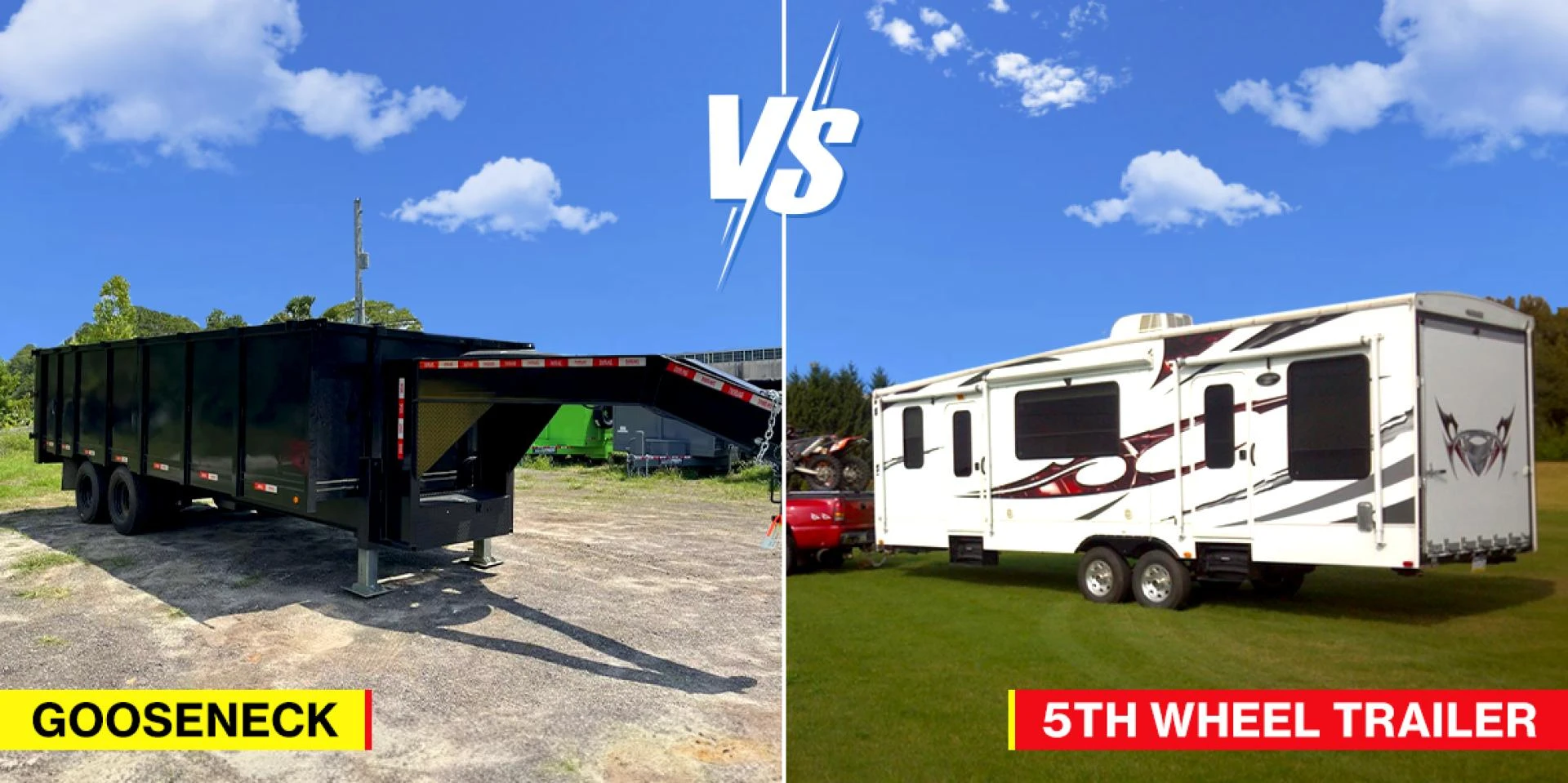
Mounts in the bed of a pickup truck. Ideal for very heavy trailers like RVs and large equipment haulers.
Gooseneck Hitch:
Similar to a fifth-wheel, but designed for heavy-duty towing and commercial applications, often seen with livestock or flatbed trailers.
Weight-Distributing Hitch:
Built on a receiver hitch but includes spring bars for load balancing. Perfect for medium to large trailers where tongue weight affects vehicle handling.
Pintle Hitch:
Heavy-duty towing for industrial or agricultural use. Offers more articulation than a ball mount but less common for everyday use.
Each of these serves a different purpose, and choosing the right one can make a huge difference in towing safety and comfort.
How Does a Weight-Distributing Trailer Hitch Actually Work?
The magic of a weight-distributing hitch lies in its spring bar system. When you hitch your trailer, the spring bars apply upward force on the trailer tongue and downward force on the frame of the vehicle. This force "lifts" some of the trailer’s tongue weight off the rear axle and moves it forward.
This redistribution:
- Levels the vehicle and trailer
- Improves braking and steering
- Reduces sway and bounce
- Helps extend the life of your vehicle’s suspension and tires
It’s a simple concept, but with huge benefits for anyone towing a travel trailer, boat, or heavy utility trailer.
Conclusion
So, how does a weight-distributing trailer hitch work? It uses leverage and spring bars to even out the load between your vehicle and trailer, improving control, comfort, and safety. And while myths around these hitches continue to circulate, the facts are clear—they’re a critical part of a balanced towing setup. Plus, compared to other types of trailer hitch, the weight-distributing hitch stands out for its ability to transform the towing experience, especially for travel trailers and cargo loads that push the limits of your tow vehicle.

























Sign in to leave a comment.