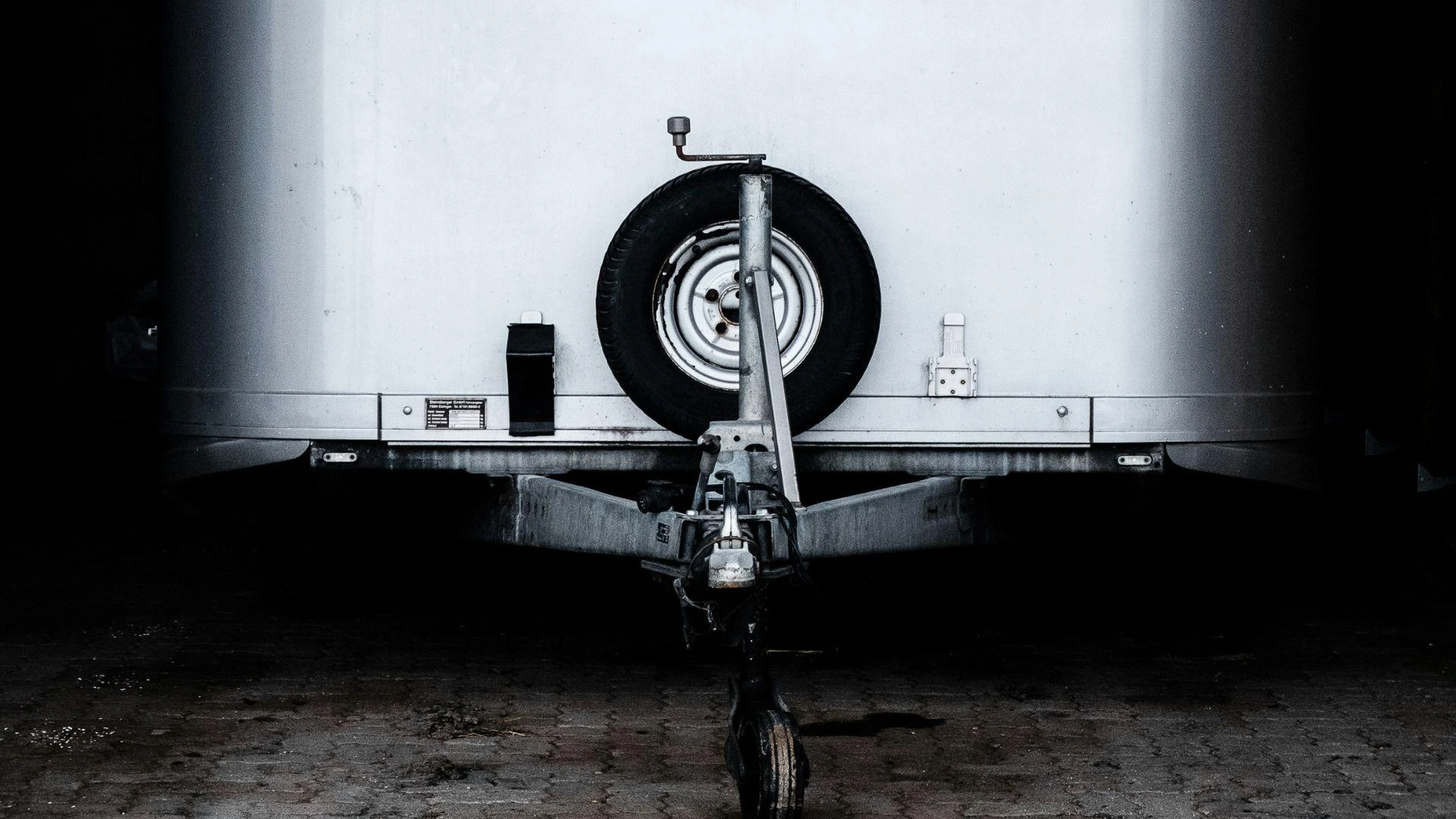

Choosing the right type of trailer hitch for your vehicle is crucial for safe towing. Whether you’re hauling a camper, a boat, or other cargo, selecting the proper hitch ensures your towing experience is smooth and secure. In this guide, we’ll walk you through the process of determining the right type of trailer hitch for your vehicle based on various factors such as towing capacity, hitch class, and your specific needs.
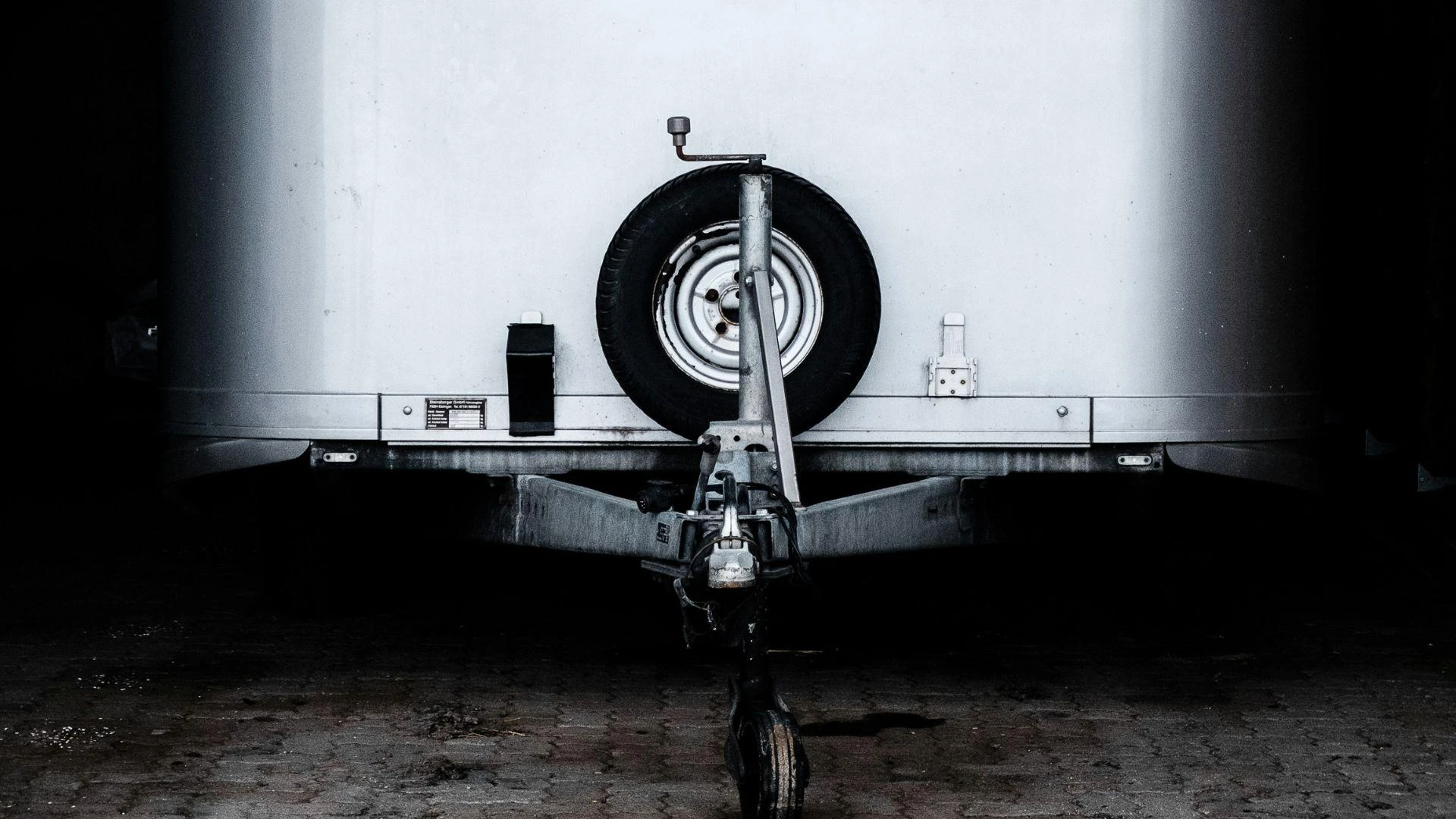
1. Know Your Vehicle's Towing Capacity
Before starting trailer hitch shopping, determine your vehicle's maximum towing capacity because it forms the essential starting point. Knowing the maximum weight limit that your vehicle safely carries represents its capacity to tow. The owner’s manual of your vehicle provides this information check the manufacturer's website or speak with an expert if unavailable.
Your vehicle suffers damage and premature wear as well as accidents when you exceed the towing capacity of your vehicle. Your selection of trailer hitch must correspond to your vehicle's towing capacity for safety purposes during towing operations.
2. Understand the Different Hitch Classes
Trailer hitches come in various classes, each designed to handle different weight limits. Understanding these classes helps you pick the right hitch for your towing needs:
- Class I: Ideal for light-duty vehicles, such as compact cars and small sedans. These hitches can tow up to 2,000 lbs.
- Class II: Suitable for mid-sized vehicles like hatchbacks and small SUVs, with a towing capacity of 3,500 lbs.
- Class III: Commonly used by larger SUVs and pickup trucks, capable of towing up to 5,000 lbs or more.
- Class IV & V: Designed for heavy-duty trucks and vehicles, these hitches can handle the heaviest loads, upwards of 10,000 lbs.
Choosing the right class ensures that the type of trailer hitch you select can safely handle your towing load.
3. Hitch Mounting Style
Another important factor to consider is how the hitch mounts to your vehicle. There are three main types:
- Receiver Hitch: The most common type, typically installed underneath the vehicle, and is compatible with various accessories like bike racks or cargo carriers.
- Bumper Hitch: Mounted directly to the vehicle's bumper. While these are less common, they’re ideal for lighter loads.
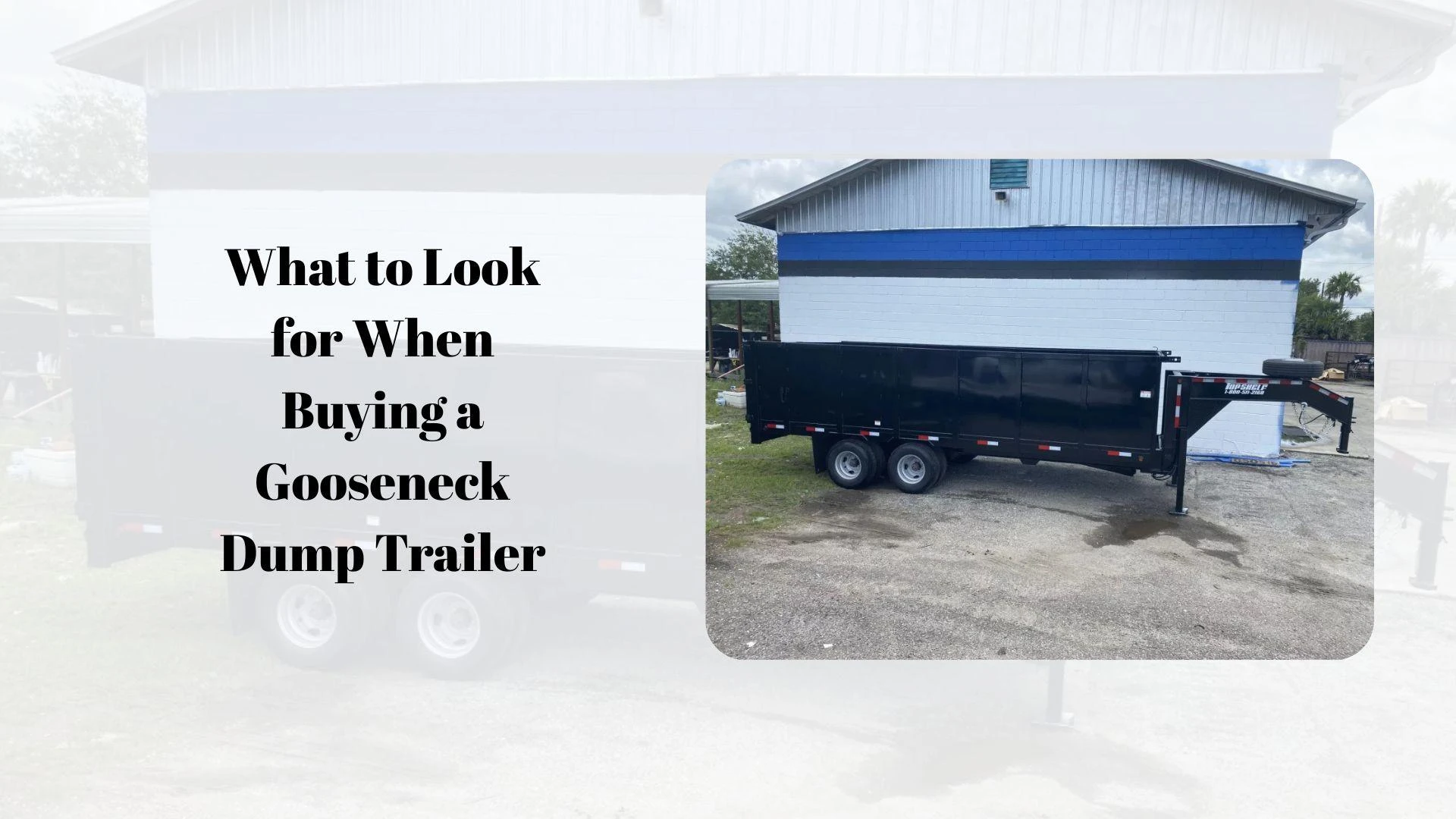
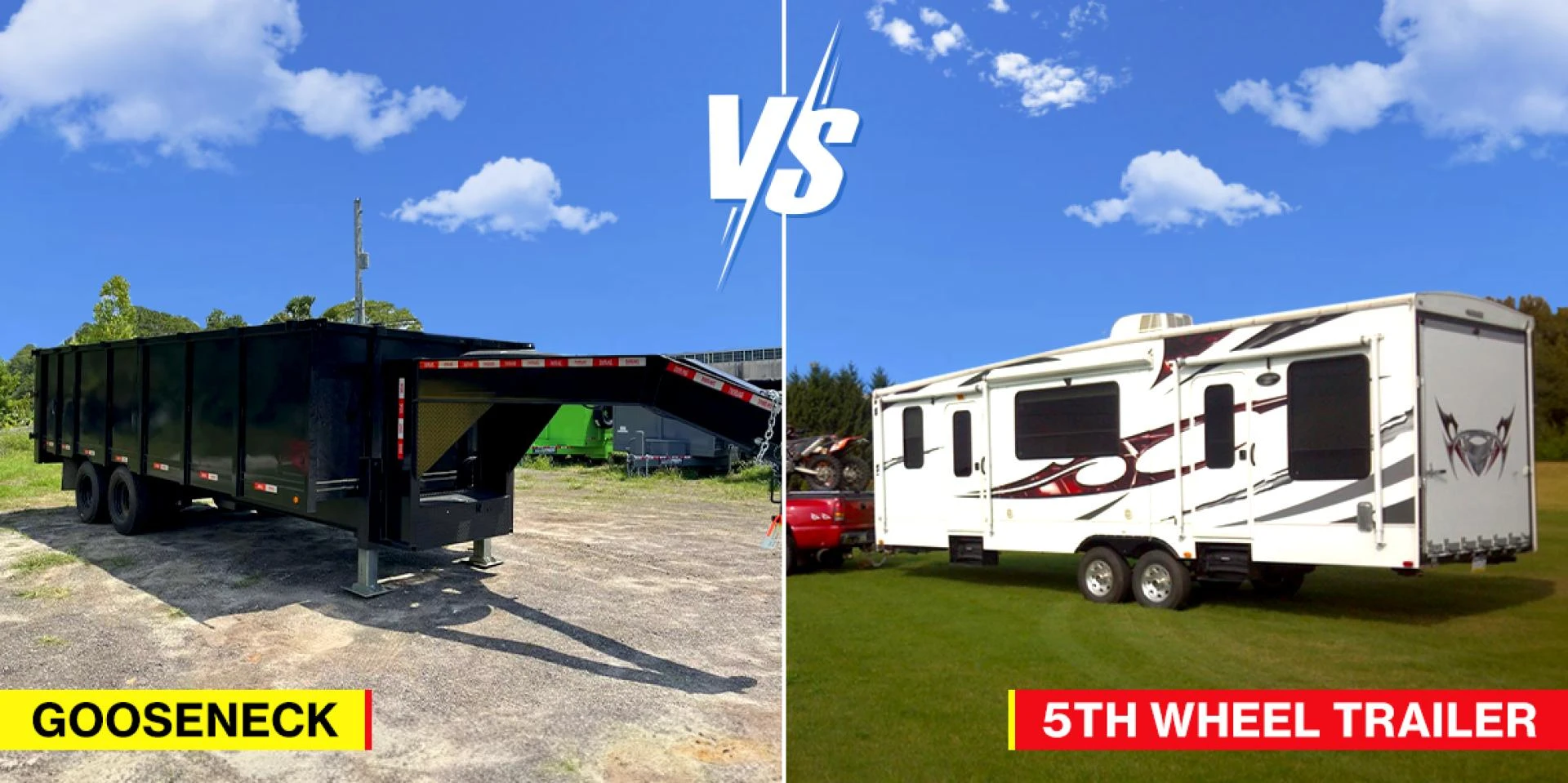
- Gooseneck or Fifth Wheel Hitch: These are used for larger trailers, such as campers or horse trailers, and require more advanced installation.
Depending on your towing needs and the size of the trailer, you’ll need to decide on the appropriate mounting style for the type of trailer hitch you need.
4. Consider the Towing Requirements of Your Trailer
Different trailers have unique requirements when it comes to towing. For example, boat trailers, camper trailers, and utility trailers may each need a different type of hitch. You’ll also need to account for the trailer’s coupler size and whether it matches the hitch size you’re considering.
Be sure to check the manufacturer’s specifications for the type of trailer you intend to tow. This ensures that the type of trailer hitch you choose is compatible with your trailer’s design.
5. Assess Hitch Accessories and Features
Many types of trailer hitches come with additional features to enhance safety and convenience. Some features to look for include:
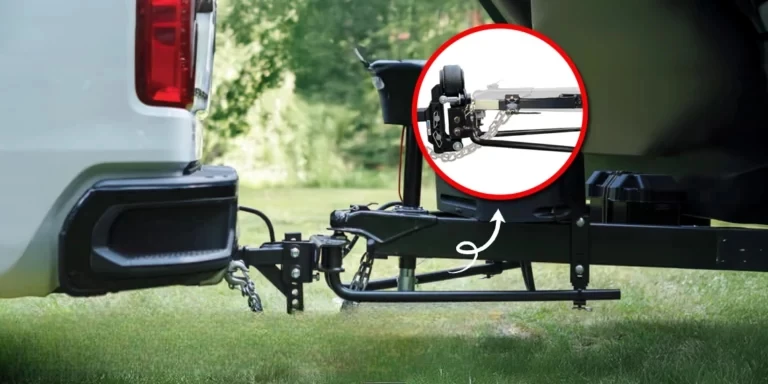
- Weight Distribution: Distributes the weight of the trailer more evenly across the vehicle, preventing overloading on the hitch.
- Sway Control: Helps minimize trailer swaying while driving, improving overall control during towing.
- Brake Controllers: Needed for trailers that exceed a certain weight, allowing you to synchronize the braking system between the vehicle and the trailer.
By considering these features, you can ensure that your type of trailer hitch provides the necessary safety and functionality for your towing needs.
6. Consult a Professional
If you're unsure about the type of trailer hitch that’s best for your vehicle and trailer, it’s always a good idea to consult with a professional. They can help guide you through the options and provide recommendations based on your specific towing needs.
Conclusion
Choosing the right type of trailer hitch is vital for safe and efficient towing. By considering your vehicle's towing capacity, the appropriate hitch class, mounting style, and trailer requirements, you can ensure that your hitch is up to the task. Whether you're towing a small utility trailer or a large fifth-wheel camper, selecting the right hitch will make all the difference in your towing experience.

























Sign in to leave a comment.