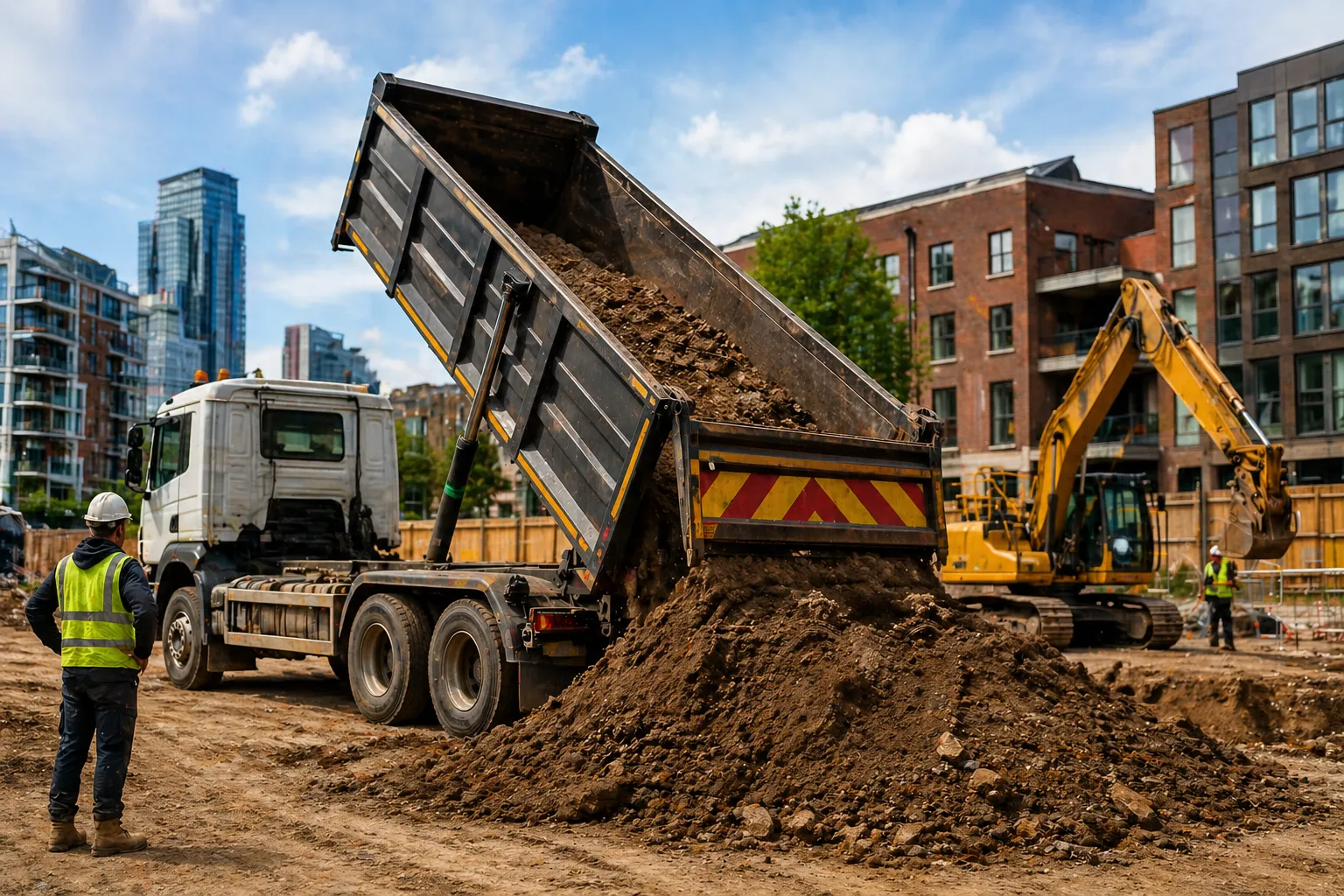

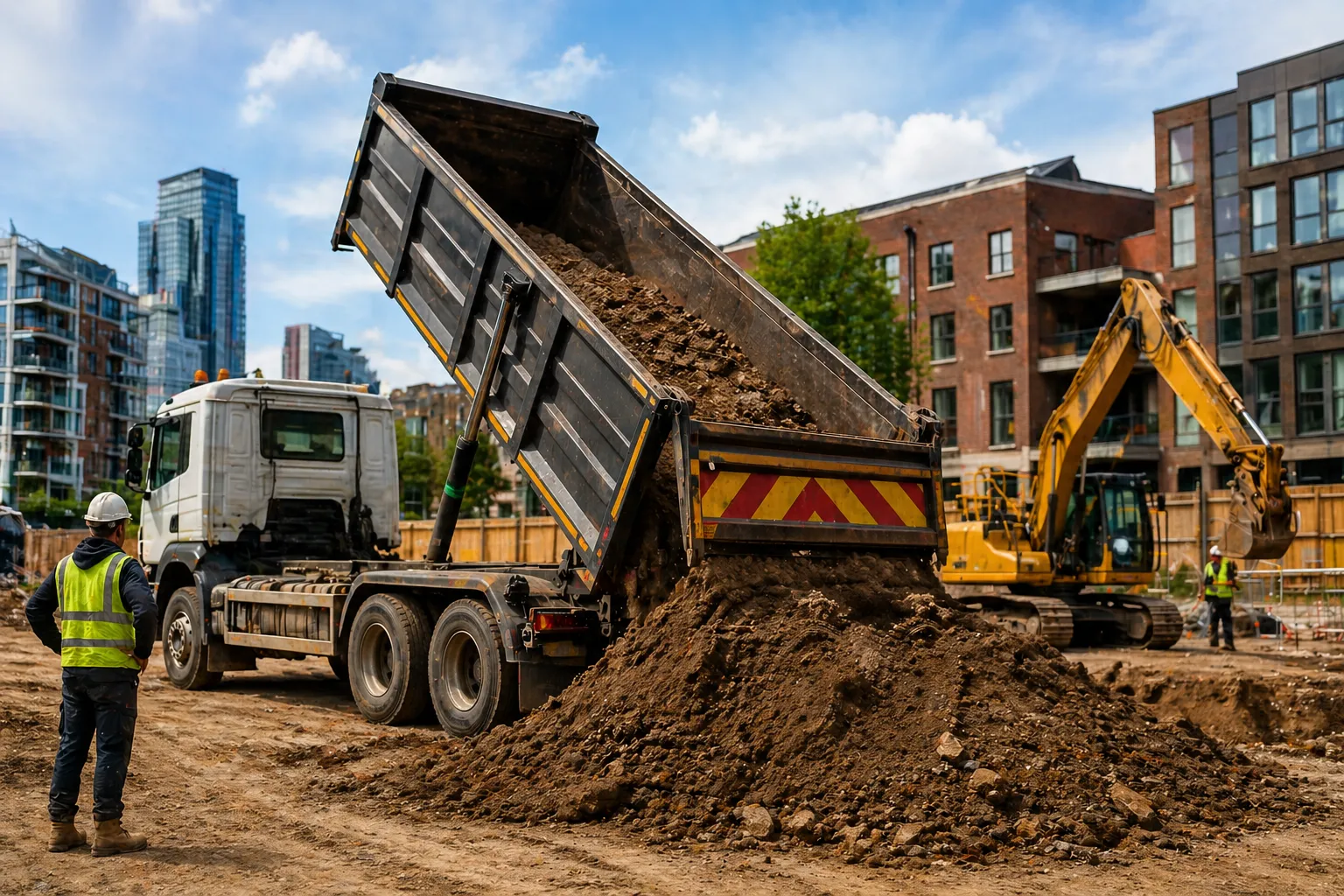
If you are managing a building project, garden renovation, or demolition job anywhere in the capital, grab hire London services can save you time, money, and a great deal of physical effort. Instead of hand-loading skips or making dozens of trips to a tip, a grab lorry lifts and removes waste directly from your site in a single visit. This makes it one of the most efficient waste solutions available to homeowners, builders, and landscapers alike.
Grab lorries are fitted with a hydraulic arm that can reach over walls, fences, and hedges, meaning there is no need to carry heavy materials through a house or garden. For anyone dealing with soil, rubble, or general building debris, this is a genuine game-changer. It reduces labour, speeds up site clearance, and keeps projects moving on schedule.
In this guide, we will explore everything you need to know about hiring a grab lorry, including muck away services, cage van hire, practical tips, common mistakes, and answers to the questions people ask most often.
What Is Grab Hire and How Does It Work
Grab hire involves booking a lorry equipped with a hydraulic grab arm that can lift and load waste materials without manual handling. The driver positions the vehicle close to the site, extends the arm, and scoops material directly into the lorry's rear tipper body.
This method works particularly well for heavy or bulky materials such as soil, hardcore, brick, and concrete. Because the arm can reach several metres, it is often possible to load waste without the vehicle even entering a driveway or garden.
Once loaded, the waste is transported to a licensed recycling or disposal facility. Reputable operators provide a waste transfer note, giving you documented proof that your materials were disposed of legally and responsibly.
Typical Materials Suitable for Grab Hire
Grab lorries are commonly used for:
- Soil and garden waste from landscaping projects
- Bricks, concrete, and hardcore from demolition work
- General building rubble and construction debris
- Mixed waste from renovation or extension projects
Materials such as plasterboard, liquids, and hazardous waste usually require separate arrangements, so it is worth checking with your provider before booking.
Muck Away London: Why It Matters for Excavation Projects
For excavation-heavy projects, muck away services are essential. This term refers specifically to the removal of soil, clay, and subsoil generated during digging works, such as basement conversions, foundation preparation, or landscaping.
London's dense urban environment means excavation waste often needs to travel further to reach appropriate disposal or recycling sites, which is why choosing an experienced local provider matters. A company familiar with the city's road restrictions, congestion charge zones, and site access challenges can plan routes efficiently and avoid unnecessary delays.
Muck away is priced by load size and material type, so it is worth confirming volume estimates before work begins. Getting this right prevents unexpected costs partway through a project.
Cage Van Hire London:
A Flexible Alternative
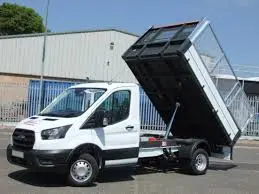
Not every job requires a full grab lorry. For smaller loads, restricted access sites, or urban properties without space for a large vehicle, cage van hire offers a practical alternative.
Cage vans are compact, manoeuvrable vehicles fitted with a caged rear section, making them ideal for narrow streets, terraced housing, or properties with limited driveway access. They are particularly useful for clearing garden waste, small renovation debris, or household clutter.
Because cage vans are smaller than grab lorries, they can often access areas that larger vehicles simply cannot reach, which makes them a valuable option across many London boroughs where parking and street width are common challenges.
Benefits of Hiring a Grab Lorry in London
Choosing professional grab hire brings several practical advantages, particularly for busy construction and renovation sites.
Time Efficiency
A single grab lorry can remove the equivalent of multiple skip loads in one visit, cutting down on repeated trips and reducing overall project timelines.
Reduced Manual Labour
Because the hydraulic arm does the heavy lifting, workers avoid the physical strain of loading waste by hand, lowering the risk of injury on site.
No Skip Permit Required
Unlike skips, which often need a council permit if placed on a public road, grab lorries typically operate from private driveways or directly from the site, avoiding permit delays altogether.
Environmentally Responsible Disposal
Licensed operators sort and recycle materials wherever possible, meaning much of the waste collected is diverted from landfill and reused in construction or landscaping elsewhere.
Cost-Effective for Large Volumes
For sizeable clearance jobs, a grab lorry is often more economical than hiring multiple skips, since it removes large quantities of waste in fewer visits.
Practical Tips Before Booking Grab Hire
A little preparation goes a long way toward a smooth, hassle-free collection.
- Measure your access route to confirm the lorry's arm can reach the waste pile without obstruction.
- Separate different waste types where possible, as mixed loads can sometimes increase disposal costs.
- Check whether your provider requires a clear path of at least four metres for the vehicle to park safely.
- Confirm the maximum load size included in your quote to avoid surprise charges for extra material.
- Ask about same-day or next-day availability if your project timeline is tight.
Booking early, especially during busier periods, also helps you secure a slot that fits your schedule.
Common Mistakes to Avoid
Many delays and extra costs come from avoidable errors during the booking process.
Underestimating Waste Volume
Providing an inaccurate estimate of how much material needs removing can lead to additional charges or the need for a second visit.
Ignoring Access Restrictions
Narrow streets, low bridges, or restricted parking can prevent a grab lorry from reaching the site, so it is essential to flag these details when booking.
Mixing Hazardous Materials
Including items like asbestos, chemicals, or plasterboard within general waste can cause delays, as these often require separate, specialist handling.
Choosing Price Over Reliability
The cheapest quote is not always the best value. An unreliable provider can cause missed appointments and disrupted project timelines, costing more in the long run.
Expert Advice for Choosing a Grab Hire Company
When selecting a provider, look beyond price alone. A reputable company should hold a valid waste carrier licence, provide transparent pricing with no hidden fees, and offer clear communication about arrival times and load capacity.
It also helps to ask how the company disposes of collected waste. Providers who prioritise recycling and responsible disposal not only support environmental goals but also demonstrate a higher standard of professionalism overall.
Finally, read recent customer reviews. Consistent feedback about punctuality, driver professionalism, and fair pricing is a strong indicator of a dependable service you can rely on for future projects too.
Frequently Asked Questions
How much does grab hire cost in London?
Costs vary depending on load size, material type, and location, but most providers price by cubic yard capacity. Requesting a clear quote based on your specific waste volume is the best way to budget accurately.
Can a grab lorry access a residential driveway?
In many cases, yes, provided there is enough clearance for the vehicle and its extending arm. It is best to describe your access points in detail when booking to confirm suitability.
What is the difference between a skip and grab hire?
A skip stays on site for you to fill over time, while a grab lorry arrives, loads the waste using its hydraulic arm, and leaves the same day, making it faster for one-off large clearances.
Is a permit needed for grab hire in London?
Generally, no permit is required if the lorry can load from private land. Permits are typically only necessary when a vehicle needs to park on a public road for an extended period.
What size loads can a grab lorry carry?
Capacity varies by vehicle, with many standard grab lorries handling between six and twelve cubic yards of waste per trip, depending on material density.
Conclusion
Making the Right Choice for Your Project
Whether you need grab hire London services for a major renovation, muck away support for an excavation project, or cage van hire for a smaller clearance job, choosing the right waste removal method makes a real difference to your project's efficiency and cost.
By understanding how grab lorries work, preparing your site properly, and selecting a licensed, experienced provider, you can avoid common pitfalls and keep your project running smoothly from start to finish.
If you are ready to clear your site quickly and responsibly, get in touch with a trusted local grab hire provider today and request a free, no-obligation quote for your next project.



























Sign in to leave a comment.