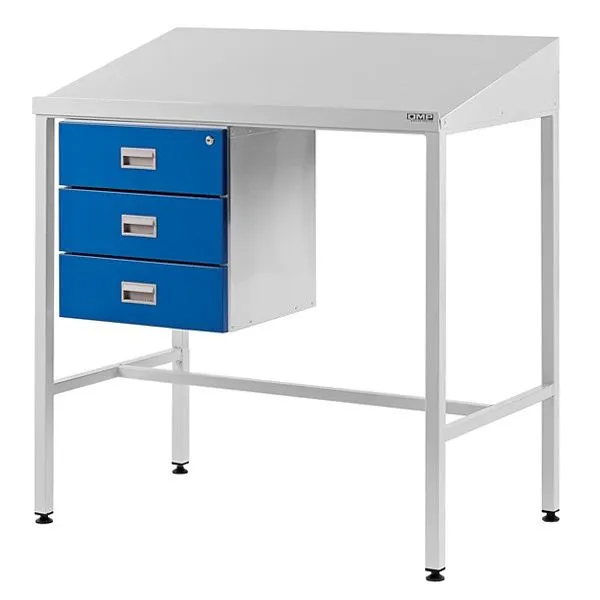

Not every workbench needs to be heavy-duty, but for workshops handling serious mechanical work, fabrication, or repeated impact from tools and machinery, a lighter bench simply will not hold up. Understanding what actually separates a genuinely heavy-duty bench from a standard model helps buyers avoid the disappointment of a purchase that looks robust in a catalogue but starts flexing or wobbling within the first few months of demanding daily use.
What Actually Defines a Heavy-Duty Bench
The term heavy-duty gets used loosely across a lot of product listings, but a genuinely heavy-duty bench is defined by more than just a high weight rating on paper. Frame construction, gauge of steel used, welded versus bolted joints, and the rigidity of the overall structure all contribute far more to real-world durability than a single load figure suggests. A bench that flexes noticeably under moderate pressure, even if its stated capacity looks impressive, is unlikely to hold up well under the kind of repeated, uneven stress that heavy workshop use inevitably brings, which is why it is worth comparing the heavier-rated workbenches in a given range against lighter alternatives before making a final choice. Reading beyond the marketing language on a product page and looking closely at the underlying specifications is usually the quickest way to separate genuinely heavy-duty construction from a bench that has simply borrowed the label without the engineering to back it up.
Frame Strength and Structural Rigidity
A heavy-duty bench's frame needs to resist both vertical load and lateral movement, since real workshop use rarely involves perfectly centred, static weight alone. Cross-bracing, thicker gauge steel, and properly welded joints all contribute to a frame that stays rigid even when tools are dropped, components are hammered, or significant lateral force is applied during assembly work. Checking whether a bench's legs are reinforced at the base, rather than relying purely on the worktop for overall stability, is a good early indicator of genuine structural quality. Giving a display model a firm push or leaning on one corner, where possible, is a simple but genuinely useful way to get a practical sense of how rigid the overall frame actually feels under real pressure.
Worktop Surface Durability
The worktop itself takes the brunt of daily wear, from dropped tools to hot components and the occasional spilled fluid, so material choice here matters enormously for heavy-duty applications. Thick steel or reinforced composite worktops resist denting, scorching, and impact damage far better than thinner laminate surfaces, extending the practical lifespan of the bench considerably in demanding environments. Some heavy-duty designs also offer replaceable worktop inserts, allowing a damaged surface to be swapped out without needing to replace the entire bench. It is also worth considering how easily a damaged section can be repaired or replaced down the line, since even the toughest worktop will eventually show some wear after years of genuinely heavy daily use.
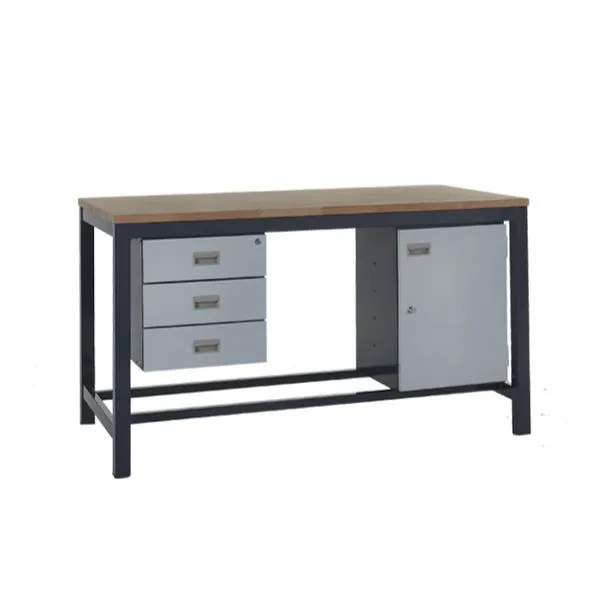
Weight Capacity and Load Distribution
Beyond the headline weight rating, it is worth understanding how that capacity is actually distributed across the bench, since a rating based on evenly spread static weight does not always reflect how a bench performs when heavy items are concentrated toward one section. Reputable manufacturers typically provide more detailed guidance on load distribution for their sturdier models, giving buyers a clearer, more realistic picture of what the bench can actually handle during genuine day-to-day heavy-duty use. Buyers dealing with particularly heavy or awkwardly shaped components should not hesitate to contact the manufacturer directly for more detailed guidance, since published figures alone do not always capture every unusual use case a workshop might encounter.
Stability Features That Matter in Practice
Levelling feet, wider stance legs, and secure anchoring options all contribute meaningfully to a heavy-duty bench's real-world stability, particularly on uneven workshop floors where a poorly levelled bench can introduce annoying wobble during precision tasks. Buyers reviewing the range of heavy-duty benches available should pay close attention to these stability features specifically, since they often make a bigger practical difference to daily usability than headline weight capacity figures alone. Testing a bench on the actual floor surface it will be used on, rather than a perfectly flat showroom floor, gives a far more realistic sense of how stable it will genuinely feel once installed in your own workshop.
Choosing the Right Heavy-Duty Option for Your Work
Ultimately, selecting the right heavy-duty bench comes down to honestly matching its construction, worktop durability, and stability features against the actual demands of your workshop rather than simply choosing the highest-rated option available. A bench genuinely built to handle serious daily use pays for itself over time through fewer replacements and a noticeably more stable, reliable working surface for whatever demanding tasks your workshop regularly throws at it. Taking a little extra time to compare a shortlist of genuinely heavy-duty options side by side, rather than settling for the first bench that looks sturdy enough, tends to pay off considerably once the bench is put to real daily use.






























Sign in to leave a comment.