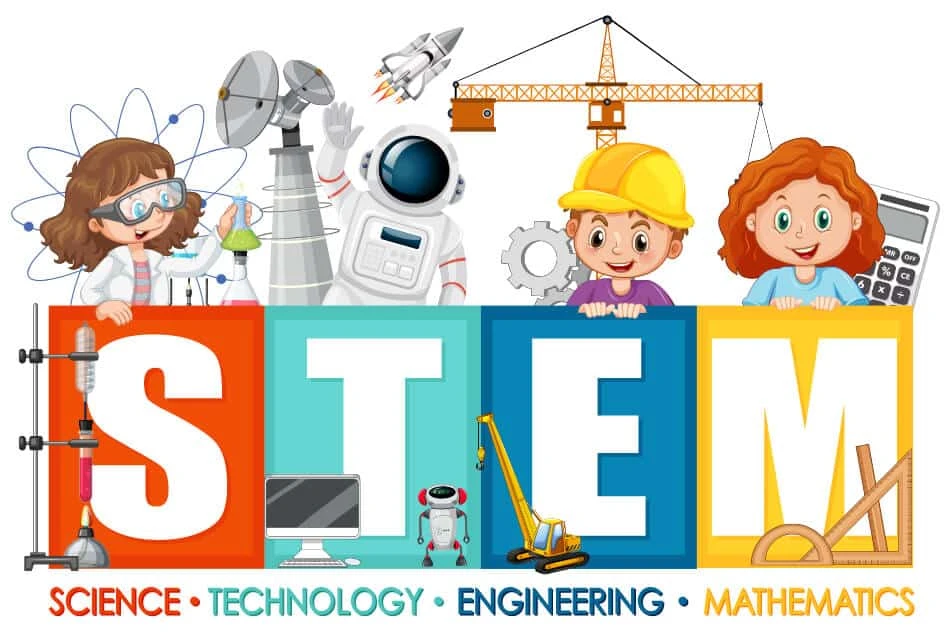

We are excited to announce that we will be participating in the 1st International Congress on Science in Early Childhood Education "Science from Birth ," and we are making history! We will be pioneers in presenting an academic paper on the methodology applied at VermisLAB in this exciting field.
Title: “Young Children's Creative Products in a STEAM Project”
The study was conducted using the methodology applied in VermisLAB on young children's creative outputs in the context of a STEAM (Science, Technology, Engineering, Arts, and Mathematics) project. The study aimed to explore how children engage in inquiry and creativity while participating in scientific practices.
Objective and Foundations of the Study
The research focuses on promoting young children's participation in scientific practices by encouraging them to ask questions, identify problems, design and test prototypes, and make data-driven decisions. By studying their creative processes, we aim to understand how children transform their environment to provide original solutions to complex problems.
Methods
The study used a qualitative case study approach at our non-formal STEM education academy. Researcher Sabela F. Monteira worked with eight children, ages six to eight, along with a teacher. Weekly sessions, each lasting 1.5 hours, were held, and video and audio recordings were made to capture the children's activities.
Conclusion and Discussion
The diverse range of products created by the MiniMaker group in this STEM project displayed both originality and suitability for their intended purposes. It is noteworthy that each child, despite their individual abilities, engaged in problem-solving, reflection, and shared solutions with their peers. This project provided an inclusive environment that allowed each participant to develop their creativity and pursue their interests.
This research highlights the benefits of fostering children's creativity and participation in scientific practices from an early age. The results obtained from this STEM project demonstrate that every MinimMaker can develop their creativity, regardless of their individual abilities, and contribute original solutions to complex problems.
This study marks the beginning of an exciting journey in the field of early science education. Next steps involve further exploration of teacher practices, interactions between children, teachers, and resources, and organizational patterns within the project. By expanding our analysis, we hope to gain a more complete understanding of how to foster creativity in children and further enhance learning opportunities in early childhood education.
We are excited to continue researching and contributing to the advancement of early childhood science education with our methodology!






























Sign in to leave a comment.