
Introduction
As the global population rises and farmland becomes scarcer, the agricultural sector faces a crucial question: how can we grow more food using fewer resources? The answer for many modern farmers lies in greenhouse farming. This innovative method allows crops to grow in controlled environments, protected from harsh weather and pests, while maximizing yield and minimizing waste.
In this article, we’ll explore how green house farming works, its advantages and challenges, the technology behind it, and why it’s becoming a key part of sustainable agriculture.
What is Greenhouse Farming?
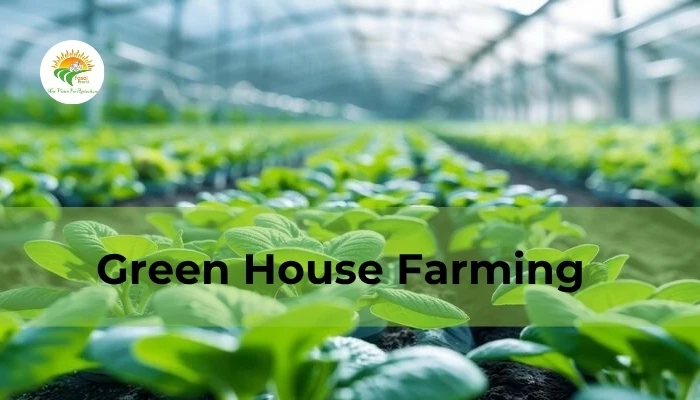
Greenhouse farming is the practice of growing crops inside structures made of transparent materials like glass or plastic. These structures allow sunlight in while keeping heat and moisture inside. Farmers can control temperature, humidity, light, and water, creating the ideal conditions for plants to thrive.
Greenhouses come in all shapes and sizes from small backyard units to large commercial facilities stretching across acres of land.
The History of Greenhouse Farming
Greenhouses are not new. The ancient Romans used simple versions with oiled cloth to grow vegetables out of season. In the 13th century, the Chinese built greenhouses to grow tropical plants. Over time, technology improved, and greenhouses became more efficient and widespread, especially in Europe.
Today’s greenhouses use advanced materials, automation, and even artificial intelligence to optimize crop production. What was once a luxury for exotic plants is now a global solution for food security.
How Does Greenhouse Farming Work?
At its core, greenhouse farming is about environmental control. Here’s how the key elements work together:
1. Temperature Regulation
Greenhouses trap heat from the sun, creating a warm environment ideal for plant growth. In colder climates, heaters can be used, while fans or vents cool the air in hotter regions.
2. Humidity Control
By managing water vapor in the air, farmers prevent fungal diseases and encourage healthy plant development. Misting systems or dehumidifiers can help maintain ideal humidity levels.
3. Light Management
Sunlight is essential, but it can be supplemented with artificial lighting, especially in winter or cloudy areas. LED grow lights are popular because they use less energy and can be tailored to a plant’s needs.
4. Watering Systems
Most greenhouses use drip irrigation, which delivers water directly to plant roots, reducing waste. Some use hydroponic systems, where plants grow without soil, getting nutrients from water.
5. Pest and Disease Control
Being enclosed, greenhouses offer natural protection against pests. Farmers can also use insect netting, sticky traps, or even release beneficial insects like ladybugs to control harmful bugs reducing the need for pesticides.
Benefits of Greenhouse Farming
Greenhouse farming offers numerous advantages that make it appealing to small farmers and large agribusinesses alike.
1. Higher Yields
Plants grow faster and healthier in a controlled setting. Crops can be grown year-round, often allowing multiple harvests annually.
2. Better Quality Crops
With less exposure to pests and unpredictable weather, crops are often more uniform in size, color, and taste perfect for consumers and markets.
3. Water Efficiency
Greenhouse systems can reduce water use by up to 90% compared to traditional farming. Drip irrigation and closed-loop systems ensure water goes exactly where it’s needed.
4. Less Use of Agrochemicals
Since pests and weeds are better controlled, there’s less need for herbicides and pesticides. This makes greenhouse-grown produce safer and more environmentally friendly.
5. Protection from Weather
Crops are safe from floods, droughts, hailstorms, and extreme temperatures all of which are becoming more common due to climate change.
6. Space Efficiency
Greenhouses can produce more food per square meter than open fields. In urban areas, vertical greenhouses or rooftop farms are gaining popularity.
Common Crops Grown in Greenhouses
While almost any plant can be grown in a greenhouse, some crops are especially well-suited:
- Tomatoes – A top greenhouse crop, loved for their fast growth and high yields.
- Cucumbers and Peppers – Thrive in warm, humid conditions.
- Leafy Greens – Lettuce, spinach, and kale grow quickly and are in constant demand.
- Herbs – Basil, mint, cilantro, and others grow well in compact spaces.
- Strawberries – Protected from pests and weather, these fruits flourish in greenhouses.
- Flowers and Ornamentals – Greenhouses are ideal for growing colorful, high-value blooms.
The Role of Technology in Greenhouse Farming
Modern greenhouse farming often uses smart farming technology to boost productivity and reduce labor.
1. Climate Control Systems
Automated systems monitor and adjust temperature, humidity, and ventilation without human intervention. Sensors gather real-time data to make quick adjustments.
2. Irrigation and Fertilization (Fertigation)
Computer-controlled systems deliver water and nutrients precisely. This reduces waste and ensures plants get exactly what they need.
3. Artificial Intelligence (AI)
AI helps predict plant needs, detect diseases early, and optimize harvest times. Smart cameras can identify stressed plants or pest activity.
4. Solar Power and Sustainability
Many greenhouses now use solar panels to generate electricity for lighting and heating, making operations more eco-friendly.
Greenhouse Farming vs. Traditional Farming
Feature
Greenhouse Farming
Traditional Farming
Growing Season
Year-round
Seasonal
Water Usage
Very efficient
Often wasteful
Pest Control
Natural or reduced pesticides
Regular pesticide use
Crop Yield
Higher
Depends on weather/soil
Environmental Control
Fully controlled
Uncontrolled
Initial Investment
Higher upfront cost
Lower setup cost
Labor
Less (with automation)
More manual work
Challenges of Greenhouse Farming
Despite its many benefits, green house farming isn’t without challenges.
1. High Initial Cost
Building a greenhouse and installing climate control systems requires significant investment, especially for larger operations.
2. Technical Skills Required
Operating a greenhouse efficiently demands knowledge in plant science, technology, and system management. Training is essential.
3. Energy Use
Heating and lighting a greenhouse especially in colder regions can lead to high energy bills unless renewable sources are used.
4. Disease Outbreaks
If a disease does get inside, it can spread quickly in the enclosed environment. Sanitation and regular monitoring are key.
Greenhouse Farming Around the World
- Netherlands: A global leader in greenhouse technology. Despite its small size, it is the world’s second-largest exporter of food by value.
- India: Greenhouse farming is growing, especially in areas with erratic rainfall. Government support is helping small farmers adopt the practice.
- Kenya: Greenhouse farming helps farmers grow vegetables and flowers for export.
- United States: Used for specialty crops, especially in urban areas and colder states.
How Small Farmers Can Get Started
Starting a greenhouse farm doesn’t have to be expensive. Here are some steps for beginners:
- Start Small: Begin with a basic plastic-covered structure and expand as you learn.
- Choose High-Value Crops: Grow vegetables or herbs with quick harvest times and good market demand.
- Learn and Train: Attend local workshops or take online courses about greenhouse management.
- Join an Agricultural Cooperative: This helps you share resources, access markets, and reduce costs.
- Seek Government Support: Many governments offer grants or subsidies for greenhouse projects.
The Future of Greenhouse Farming
As the world grapples with climate change, food insecurity, and water shortages, greenhouse farming is set to play a major role in the future of agriculture.
We may soon see:
- Vertical greenhouses in cities
- Fully automated farms powered by solar energy
- AI-driven crop planning
- Community greenhouses supplying local markets
- Integration with hydroponics and aquaponics for even more sustainable systems.
Conclusion
Greenhouse farming offers a smart, sustainable way to grow food in a world facing environmental and population pressures. While it requires investment and knowledge, the rewards are high in terms of productivity, quality, and long-term sustainability.
Whether you’re a backyard gardener, a small farmer, or a large-scale grower, greenhouse farming opens the door to a future where we can grow more, waste less, and ensure that fresh food is always within reach.




























Sign in to leave a comment.