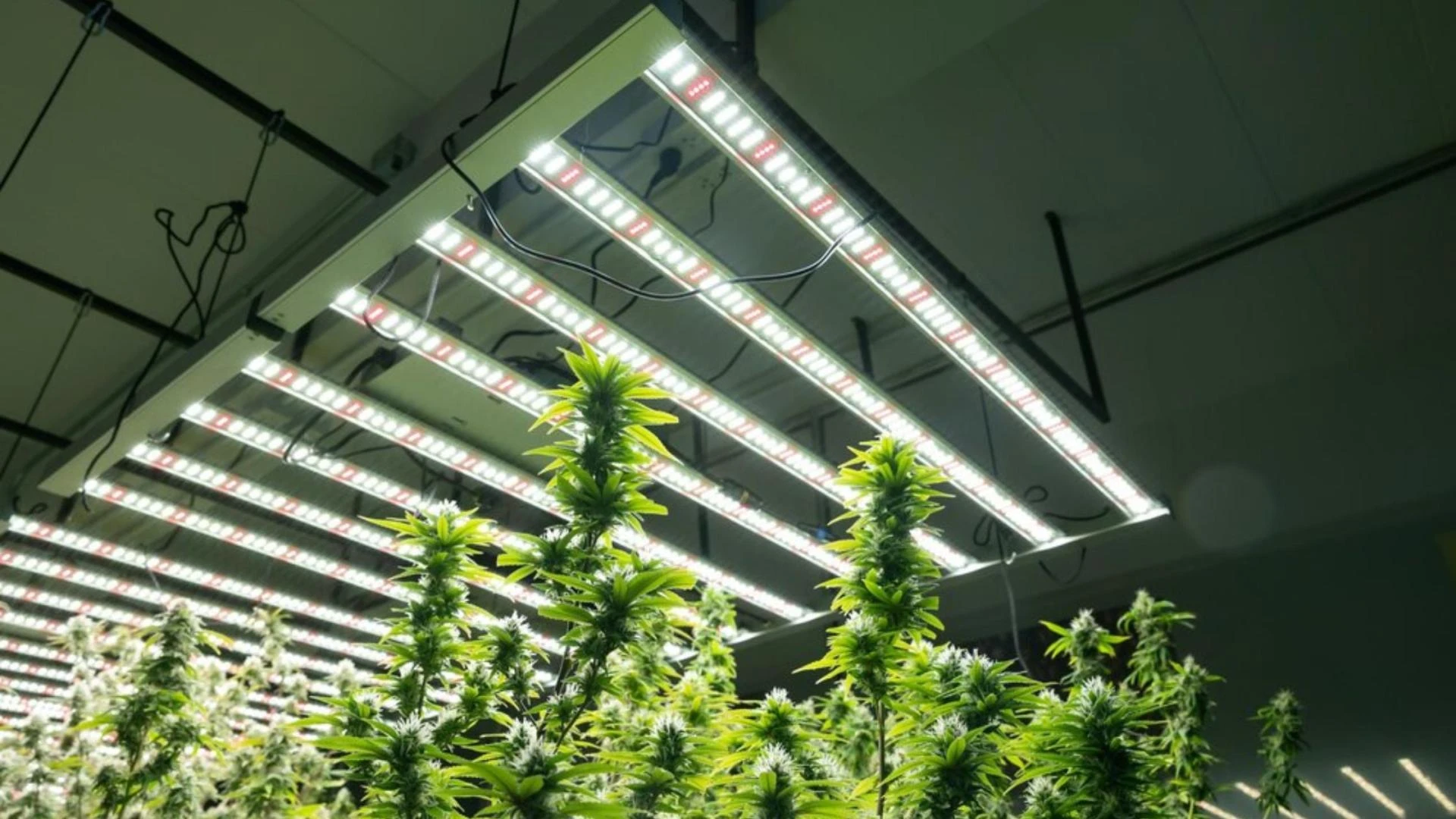

Choosing the right Greenhouse LED Lighting is a crucial step in improving the efficiency and productivity of your growing environment. Whether you’re growing vegetables, flowers, or specialty crops, the right lighting system can support healthy growth, promote better yields, and allow growers to have consistent control over plant development. In this blog, we’ll take a deep dive into how to choose the most suitable LED Grow Lights for your greenhouse setup, with detailed insights into key considerations, lighting types, spectrum choices, and more.
Why Greenhouse LED Lighting Matters
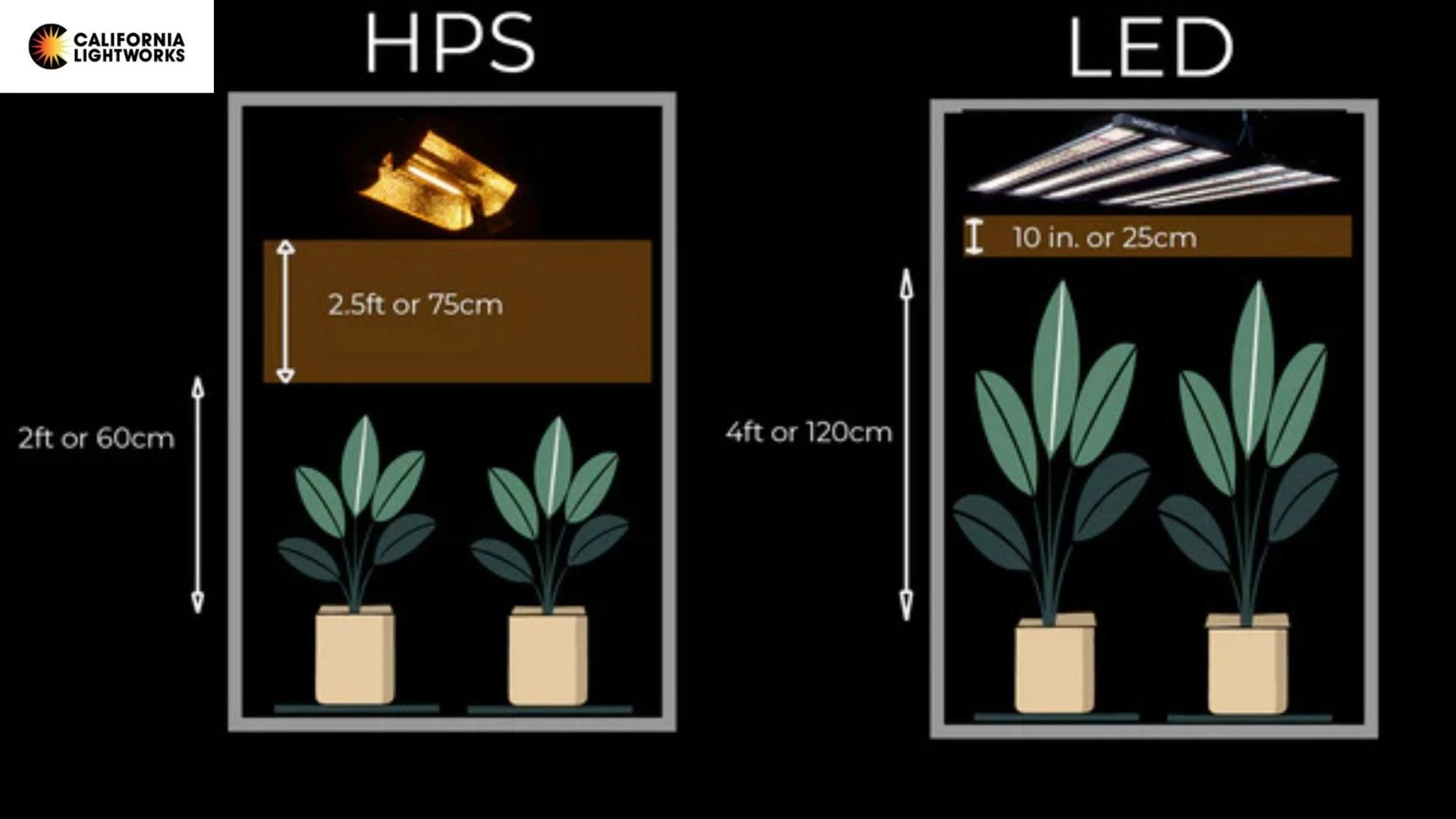
Greenhouse LED Lighting plays a vital role in plant development, especially when natural light is limited due to seasonal changes, weather fluctuations, or regional conditions. Unlike traditional lighting options like HPS or fluorescent bulbs, LED Grow Lights offer better energy efficiency, lower heat output, and a longer lifespan.
Modern Greenhouse Grow Lights are engineered to provide consistent output across specific spectral ranges that support photosynthesis. With better control over light intensity and duration, greenhouse operators can create optimal growing conditions regardless of external factors.
Factors to Consider Before Choosing LED Grow Lights
Type of Plants Being Grown
Different plant species respond differently to specific light spectrums and intensities. Leafy greens like lettuce or spinach require less light than fruiting plants such as tomatoes or peppers. Matching the Greenhouse LED Lighting to your plant type helps maintain growth efficiency and energy savings.
Stage of Plant Growth
Plants require different light spectrums during various stages:
- Blue light is more beneficial during the vegetative stage.
- Red light supports flowering and fruiting.
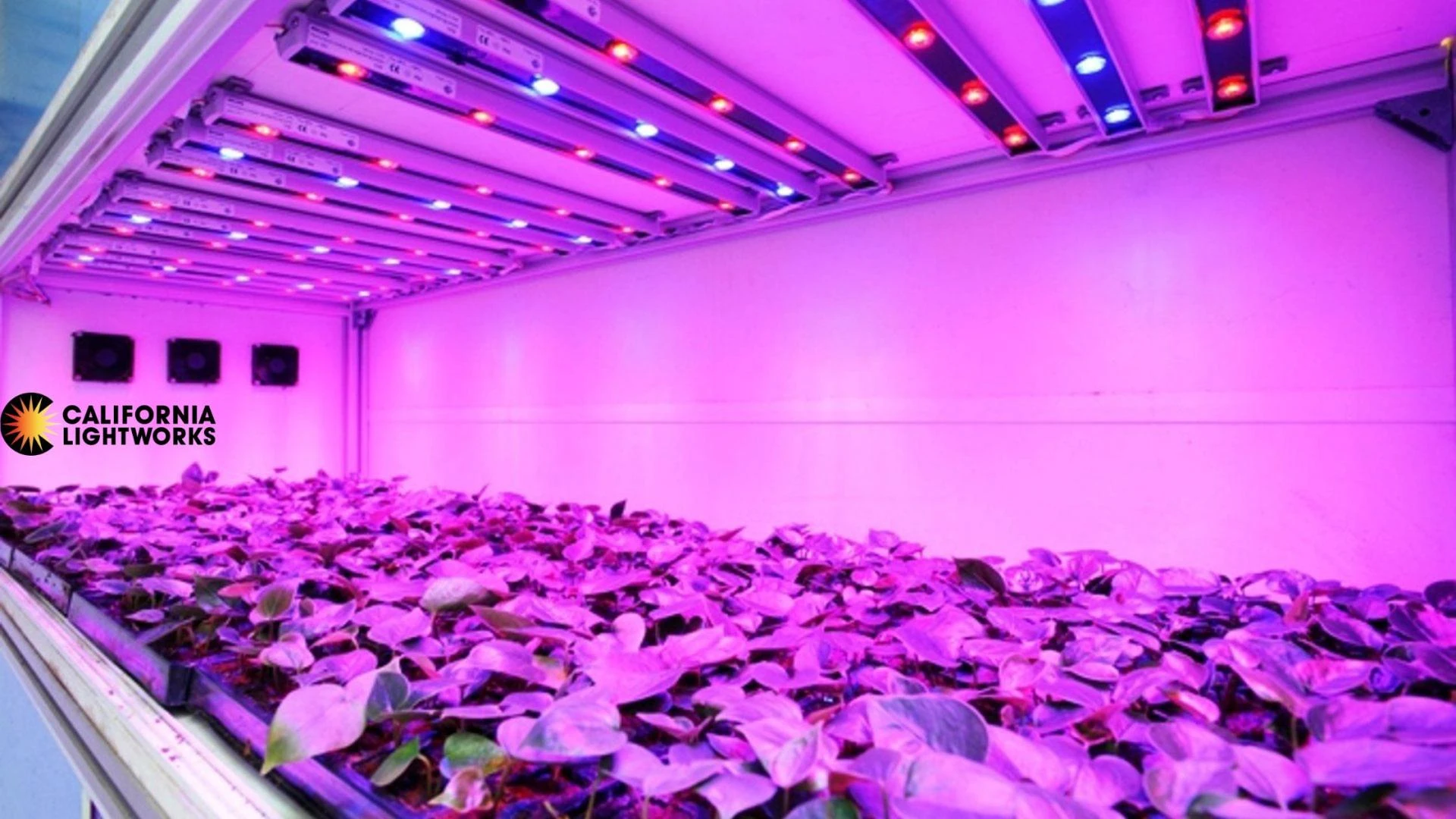
Some advanced lighting systems from California LightWorks offer adjustable spectrums to support these stages, helping growers fine-tune conditions without changing equipment.
Greenhouse Size and Layout
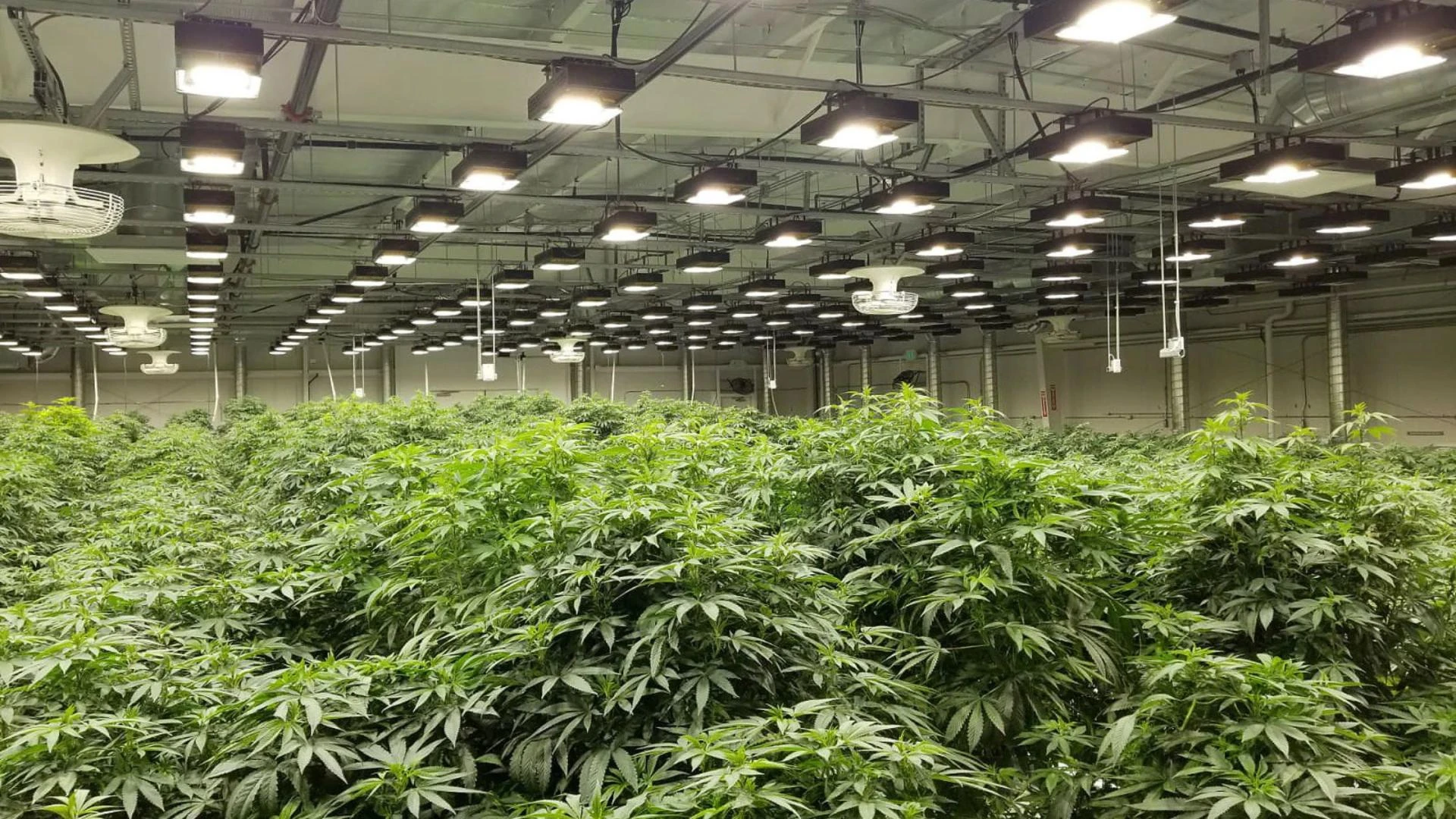
The size and structure of your greenhouse influence how light distributes across the growing area. High ceilings, side walls, and spacing between rows all play a role. Select Greenhouse Grow Lights that offer wide light distribution and high output to cover the full footprint efficiently.
Spectrum Considerations
Full-Spectrum vs. Targeted Spectrum
Greenhouse LED Lighting is available in full-spectrum or targeted-spectrum designs. Full-spectrum lighting simulates natural sunlight and can support all stages of plant growth. This option is well-suited for mixed crops or commercial environments that grow year-round.
Targeted-spectrum LED Grow Lights focus on specific wavelengths, allowing precise control depending on plant requirements. California LightWorks offers several models that allow growers to switch between spectrums, offering flexibility without sacrificing energy efficiency.
Supplemental Lighting vs. Primary Lighting
If your greenhouse gets partial sunlight, you may only need Greenhouse Grow Lights for supplemental lighting. In colder or less sunny climates, primary Greenhouse LED Lighting may be necessary to replace sunlight entirely. Determining your natural light exposure will help guide your lighting investment.
Wattage and Efficiency
Energy efficiency is one of the major advantages of LED Grow Lights. Unlike traditional lighting systems, LEDs convert most of their power into usable light, which lowers electricity costs and reduces heat output.
Look for Greenhouse LED Lighting that provides a high Photosynthetic Photon Efficacy (PPE), which indicates how much useful light is produced per watt. California LightWorks, for instance, offers high-efficiency fixtures that perform well in both commercial and mid-scale operations.
Heat Management
Excess heat can stress plants and increase cooling needs. Many Greenhouse Grow Lights from California LightWorks are built with efficient heat sinks or active cooling systems that minimize temperature increases in the growing space.
Mounting and Placement
Proper installation of your Greenhouse LED Lighting affects light distribution, plant uniformity, and energy efficiency. Follow these key placement tips:
- Height above canopy: Maintain a consistent distance depending on the fixture’s intensity.
- Angle and overlap: Arrange lights for even distribution without hotspots.
- Zoning: Use zoning or dimming controls for different plant sections.
California LightWorks provides adjustable mounting kits with many of their models, allowing better adaptability to different greenhouse designs.
Smart Controls and Automation
Many growers are turning to smart lighting systems with timers, dimmers, and wireless controls. These tools allow you to automate lighting schedules, simulate natural day/night cycles, and remotely monitor system performance.
Advanced Greenhouse LED Lighting systems from California LightWorks come with programmable control options and can be integrated with climate sensors, irrigation systems, and crop management software. This improves accuracy and reduces manual oversight.
Cost vs. Value
While the initial cost of Greenhouse LED Lighting may be higher than older technologies, the long-term value includes:
- Reduced energy consumption
- Lower HVAC costs due to minimal heat
- Long lifespan (often over 50,000 hours)
- Better crop consistency and quality
Investing in high-quality LED Grow Lights provides greater reliability and productivity over time, especially for commercial growers.
Comparing LED Brands and Technologies
The market for Greenhouse Grow Lights is vast, but not all products are equal. Reputable brands like California LightWorks offer performance data, testing certifications, and US-based customer support. Their product line includes:
- SolarSystem series – perfect for both veg and flower stages
- MegaDrive series – centralized drivers for large-scale greenhouses
- SolarXtreme series – plug-and-play systems ideal for small growers
Choosing a reliable brand helps minimize downtime and guarantees the support you need as your growing operation scales.
Environmental and Economic Impact
Switching to Greenhouse LED Lighting offers both environmental and economic benefits. By lowering power usage, you reduce your carbon footprint. Many utilities offer rebates for high-efficiency lighting upgrades, which further cut operational costs.
In addition, LED Grow Lights generate less waste since they last significantly longer than fluorescent or HPS bulbs. For eco-conscious operations, this adds to your sustainability efforts.
Maintenance and Longevity
LED systems require very little maintenance. Cleaning dust off fixtures and checking drivers and wiring connections annually are often enough to keep them in good condition. The low-maintenance nature of Greenhouse Grow Lights is another reason they’re gaining popularity.
Fixtures from California LightWorks are known for durability and long lifespan, helping growers maintain consistent production with fewer equipment failures.
Case Examples from Real Growers
Many commercial greenhouse operators have seen measurable success after switching to Greenhouse LED Lighting. These real-world results include:
- 30% higher yield in tomato production
- Reduced plant stress and uniform growth
- 40% energy savings year-over-year
Systems like those from California LightWorks have become staples in commercial agriculture, vertical farms, and research facilities across the US.
Choosing the Right Setup for Your Needs
There’s no one-size-fits-all solution when it comes to Greenhouse Grow Lights. Evaluate your goals, budget, and space constraints to make an informed decision.
Ask yourself:
- Do I need full-spectrum lighting or specific spectrums?
- What is my daily light integral (DLI) requirement?
- Am I using lighting for propagation, flowering, or year-round cultivation?
Consulting with manufacturers like California LightWorks can help you make more confident choices for your greenhouse operation.
FAQs About Greenhouse LED Lighting
How long do LED Grow Lights last?
Most LED Grow Lights last between 50,000 and 100,000 hours. This translates to several years of use, depending on your lighting schedule.
Can I use LED lights as the only light source in a greenhouse?
Yes, Greenhouse LED Lighting can fully replace sunlight if designed with sufficient intensity and correct spectral output.
Are LED Grow Lights safe for plants?
Yes, they are specifically designed to support plant photosynthesis and development. Many even include UV and IR options for advanced growth cycles.
Is it worth switching from HPS to LEDs?
In most cases, yes. Greenhouse Grow Lights offer better energy efficiency, longer lifespan, and less heat buildup than HPS fixtures.
What’s the best brand for greenhouse LED systems?
Brands like California LightWorks are widely respected in the industry for their performance, service, and US-manufactured quality.
Conclusion
Selecting the right Greenhouse LED Lighting involves careful consideration of your plant types, growth stages, and environmental needs. With the right lighting in place, you can achieve consistent, high-quality yields while reducing operational costs and energy use. Reliable manufacturers like California LightWorks offer versatile solutions that cater to both small-scale and commercial growers, providing solid performance and long-term value.
Whether you're upgrading an existing system or planning a new greenhouse build, take time to assess your layout, lighting needs, and desired crop outcomes. With the right setup, your LED Grow Lights can work as a dependable asset in your greenhouse strategy.

























Sign in to leave a comment.