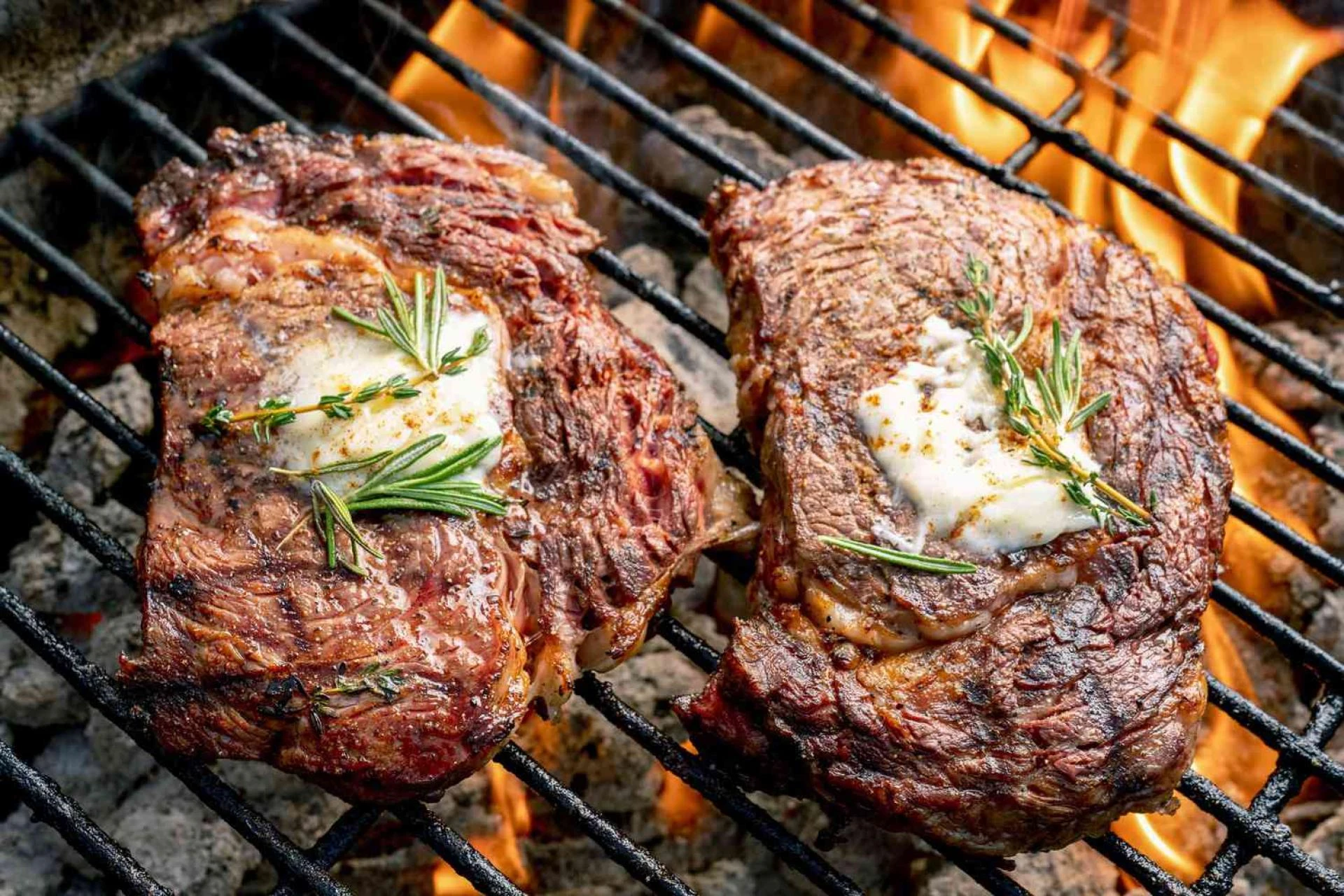

Grilled steaks feel like the kind of meal people look forward to. They fit weeknight dinners, backyard gatherings, and even quieter nights when you want something simple but satisfying. The great thing about grilling steak is that you do not need a long list of ingredients or complicated steps to get a good result. You only need the right cut, a steady heat source, and a little attention while the meat cooks.
This guide breaks down the basics in a way that stays clear, practical, and easy to follow. Whether you grill often or only a few times a year, these ideas help you make grilled steaks taste consistent and full of flavor.
Why Grilled Steaks Stay Popular
Steak holds its place on the grill because it tastes good with very little effort. A quick seasoning, a hot surface, and the right timing are usually enough. Even when hosting a group, grilling steak feels manageable because each piece cooks fast. People also like choosing their preferred doneness, which makes the meal feel more personal.
Steak works well with simple sides, so you do not need a long prep list. Vegetables, potatoes, bread, or a salad round out the plate without taking attention away from the main item.
Choosing the Right Cut for the Grill
The cut you choose sets the tone for the whole meal. Each steak has its own texture and flavor, so pick one that matches what you enjoy.
Ribeye. Known for its marbling and rich flavor. The fat keeps it juicy on the grill.
New York strip. Leaner than ribeye but still tender with a good balance of fat.
Sirloin. Affordable and flavorful, especially when cooked to medium.
Filet mignon. Very tender with a mild flavor. Works best with high heat and shorter cooking time.
T-bone or porterhouse. Larger cuts that offer both a strip and a tenderloin section.
Thicker steaks usually grill better because they give you more control over doneness without drying out.
Getting the Steak Ready for the Grill
A little prep helps the meat cook evenly and stay juicy.
Bring it to room temperature. Cold meat cooks unevenly, so give it a few minutes on the counter.
Pat it dry. Moisture prevents browning. Dry surfaces help build a nice crust.
Season simply. Salt and pepper are enough to start. Add garlic, paprika, or your favorite seasoning blend if you want more flavor.
Brush a light layer of oil. A small amount prevents sticking and helps the seasoning cling.
These steps take only a few minutes but make a noticeable difference in the final result.
Setting Up Your Grill
Good grilling starts with heat control. You can use gas, charcoal, or a grill pan indoors. The key is to create a surface that cooks the outside quickly without burning it.
Gas grill. Preheat to medium high and keep the lid closed to hold the heat.
Charcoal grill. Let the coals turn gray before placing the steak over the hottest section.
Indoor grill pan. Heat it until it smokes lightly, then lay the steak gently across the ridges.
If you prefer a deeper smoky flavor, use charcoal or wood chunks. For speed and steady heat, gas gets you there faster.
Grilling Techniques That Keep It Simple
Grilling does not have to feel complicated. Stick with a basic approach that works for most cuts.
Sear first, then finish. Start over high heat to build color. Move to a cooler side if the steak needs more time.
Avoid pressing the meat. Pressing pushes out the juices and dries the steak.
Flip only when needed. One or two flips help the steak cook evenly without losing heat.
Use a thermometer if you want accuracy. It takes the guesswork out of doneness.
Cooking times vary by thickness, but these temperature guidelines help:
Rare: 125°F
Medium rare: 135°F
Medium: 145°F
Medium well: 155°F
Well done: 160°F and above
Once the steak reaches the temperature you want, remove it from the grill and let it rest.
Why Resting Makes a Difference
Resting gives the juices time to settle. Cutting too soon causes the juices to run out, which makes the meat feel dry. Let the steak sit for about five minutes before slicing. Covering it loosely with foil keeps it warm without steaming the crust.
For thicker cuts, a longer rest helps even more. The heat continues to move through the center, so the steak stays tender.
Simple Ways to Add Extra Flavor
You can keep grilled steaks straightforward or add small touches that bring out more flavor.
Compound butter. Mix softened butter with garlic, herbs, or lemon zest. Place a slice on top of the steak while it rests.
Marinades. Use them for leaner cuts like sirloin. Keep the marinade light to avoid overpowering the meat.
Herbs and aromatics. Rosemary, thyme, and crushed garlic add fragrance when placed on the grill near the steak.
Finishing salt. A pinch right before serving sharpens the flavor.
These add-ons take very little time and help you customize the meal.
Side Dishes That Work Well With Grilled Steaks
Steak shines when paired with sides that support the flavor instead of competing with it.
Baked or mashed potatoes. A classic pairing that always fits.
Grilled vegetables. Zucchini, mushrooms, asparagus, and peppers cook quickly and add color to the plate.
Fresh salad. Something crisp balances the richness of the steak.
Corn on the cob. Sweet corn stands out when grilled next to the steak.
Garlic bread. Helps soak up the juices and rounds out the meal.
You can keep the plate simple or add a few sauces like chimichurri, garlic butter, or a light BBQ glaze for variety.
Serving Ideas That Keep Things Enjoyable
Presentation does not need to feel busy to look good. Slice the steak against the grain for tenderness. Arrange the slices on a platter if serving a group. For individual plates, add a small amount of sauce on the side rather than on top to keep the crust intact.
Keeping the setup easy allows you to focus on the taste and the experience rather than the decorations.
Common Mistakes to Avoid
A few small missteps can affect your results, so here are things to watch for:
Starting with a cold grill. This prevents searing.
Moving the steak too often. It slows down browning.
Skipping the rest period. This leads to dryness.
Using too much heat. High heat is good for searing, but extremely high heat burns before the inside cooks.
Avoiding these mistakes helps you get more consistent results every time.
Final Thoughts
Grilled steaks do not need a complicated process to taste good. With the right cut, steady heat, and a few simple habits, you can get a juicy and flavorful steak without stress. Whether you grill for a crowd or make a quiet dinner at home, these tips help you get the kind of meal people enjoy finishing. If you want, I can also create a search description, labels, or a social caption for this post.
























Sign in to leave a comment.