
India is facing a silent crisis beneath its feet. While droughts and floods make headlines, a deeper problem quietly worsens every year's groundwater depletion. Millions of Indians depend on groundwater for drinking, cooking, farming, and daily survival. Yet this invisible resource is disappearing faster than nature can replenish it.
Understanding why this is happening and what can actually be done about it is the first step toward building a water-secure future.
What Is Groundwater and Why Does It Matter?
Groundwater is water stored in underground layers of rock and soil called aquifers. It feeds our wells, handpumps, and borewells. In rural India especially, it is often the only reliable source of clean drinking water.
Groundwater is primarily used for irrigation, drinking, and industrial purposes. In fact, India is the world's largest user of groundwater, extracting more than the United States and China combined. This enormous demand driven by agriculture, a growing population, and rapid urbanization puts extreme pressure on aquifers that took thousands of years to fill.
Key Causes of Groundwater Depletion in India
1. Over-Extraction for Agriculture
Agriculture accounts for nearly 90% of groundwater use in India. Farmers rely heavily on borewells to irrigate crops, often with little regulation. Free or subsidised electricity in many states encourages over-pumping, making it difficult to control how much water is extracted.
2. Unplanned Urbanisation
As cities expand rapidly, natural surfaces like forests and open land are replaced by concrete and tar roads. This prevents rainwater from soaking into the ground naturally, reducing the natural recharge of aquifers.
3. Declining Rainfall and Climate Change
Irregular monsoons, longer dry spells, and changing weather patterns are reducing the amount of water that reaches underground reserves. When rain does fall, poor water management means much of it runs off into rivers or evaporates rather than replenishing the ground.
4. Lack of Regulation
Groundwater extraction in India remains largely unregulated at the individual level. Anyone who can afford to dig a borewell can extract as much water as they wish, with few legal consequences.
The Current Crisis: How Serious Is It?
The situation is already alarming. According to NITI Aayog, 21 major Indian cities including Delhi, Bengaluru, and Hyderabad are expected to run out of groundwater in the near future. Hundreds of villages in states like Rajasthan, Maharashtra, and Uttar Pradesh already face severe water shortages every summer.
Groundwater depletion leads to water scarcity, higher costs of water extraction, and serious environmental damage like land subsidence where the ground literally sinks because the water supporting it has been removed. Long-term effects include irreversible environmental damage, loss of agricultural productivity, and a permanent reduction in the water table, making water extraction more expensive and difficult with every passing year.
For ordinary Indians especially farmers and women who walk miles to fetch water this is not a future problem. It is a present reality.
Practical Solutions: What Is Already Working
Rainwater Harvesting
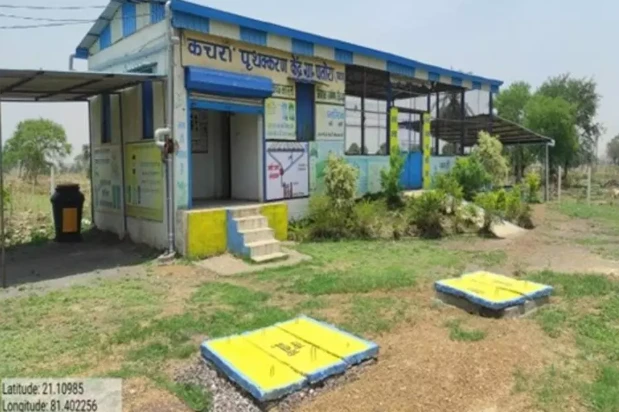
With a focus on enabling sustainable water management practices at a community scale, WaterAid India has been promoting a diverse and interlinked set of groundwater recharge methods. Rainwater Harvesting (RWH) structures in Murra and Patora in the Durg district, as well as magic pits and soak pits in Kanker district, allow rainwater to percolate into the ground naturally in Chhattisgarh. Injection Wells are also a crucial tool used in places like Bahnapani and Saimunda in Kanker, to restore groundwater levels effectively.
Community-Driven Water Management
WaterAid India also focuses on community-level water management initiatives such as soak pits and greywater management systems, enabling local communities to derive more use from the same water over time. Community Soak Pits at Bital in Mohla-Manpur-Ambagarh Chowki, Chhattisgarh, and other community-level initiatives at Ashram Shala Palewa, are helping manage surface water runoff ensuring water gets absorbed into the ground rather than being lost to evaporation. Magic Pit Technology implemented in areas like Matwada Modi in Kanker captures greywater and directs it into the soil to recharge the groundwater table.
Smarter Irrigation Technologies
Methods like drip irrigation and sprinkler systems can drastically reduce water consumption on farms without reducing crop yield. Encouraging farmers to shift to these technologies through subsidies and training can make a significant difference at scale.
Policy and Government Action
Governments must enforce and promote policies that prioritise water conservation, incentivise recharge methods, and ensure responsible water management. This includes regulating borewell drilling, metering groundwater use, and investing in large-scale water recharge infrastructure.
A Collective Responsibility
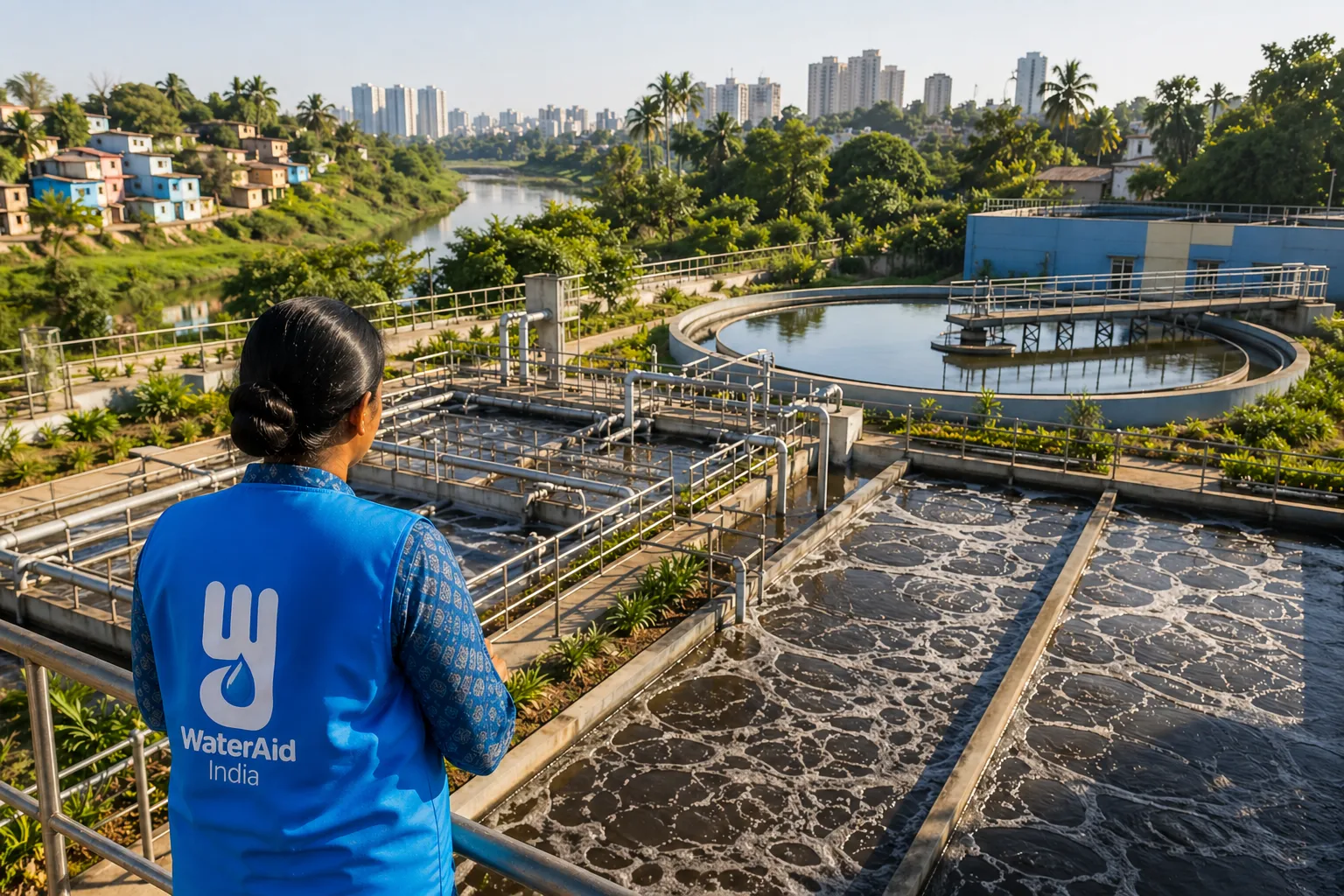
Groundwater depletion is a critical issue, but with collective efforts like those initiated by WaterAid India, the damage can be limited and even reversed. Recharge structures such as recharge pits, injection wells, and rainwater harvesting storage are ensuring that groundwater remains a viable resource for future generations, while promoting more sustainable use among communities is ensuring that the land itself gets a chance to regain and replenish the water we have taken from it.
The solutions exist. Knowledge is available. What is needed now is action from governments, communities, farmers, and every individual who turns on a tap.


























Sign in to leave a comment.