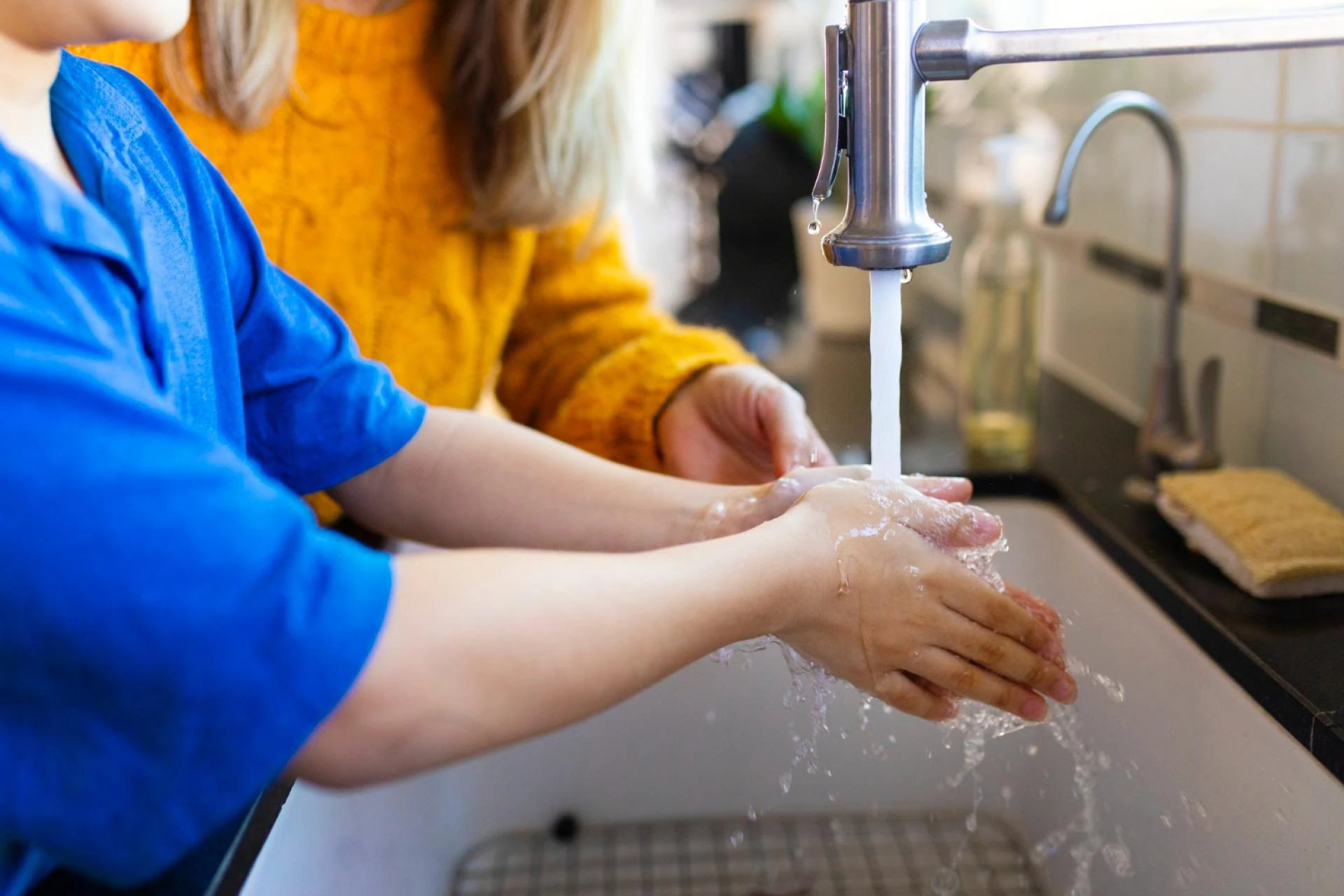

Good hygiene, supported by clean water and decent toilets, is one of the most cost‑effective ways to save lives and build healthier futures. WaterAid India’s programmes show how awareness, education and simple daily practices can dramatically reduce disease and improve wellbeing across communities.
Why good hygiene saves lives
WaterAid India’s Good Hygiene page explains that personal hygiene and a clean environment are essential for a healthy life because they stop germs from spreading through hands, food, water and surfaces. Together with safely managed sanitation, these behaviours cut the risk of diarrhoeal diseases, infections and malnutrition, especially for children and people in vulnerable situations.
The WASH overview reinforces that water, sanitation and hygiene (WASH) are a single, integrated foundation for public health and sustainable development.
Key hygiene and sanitation practices WaterAid India promotes
WaterAid India focuses on three core areas of hygiene behaviour: hand hygiene, food and water hygiene, and menstrual health and hygiene management.
- Hand hygiene: Thorough handwashing with soap for at least 30 seconds at critical times (after using the toilet, before eating or preparing food, after cleaning a child) to prevent contamination and disease transmission.
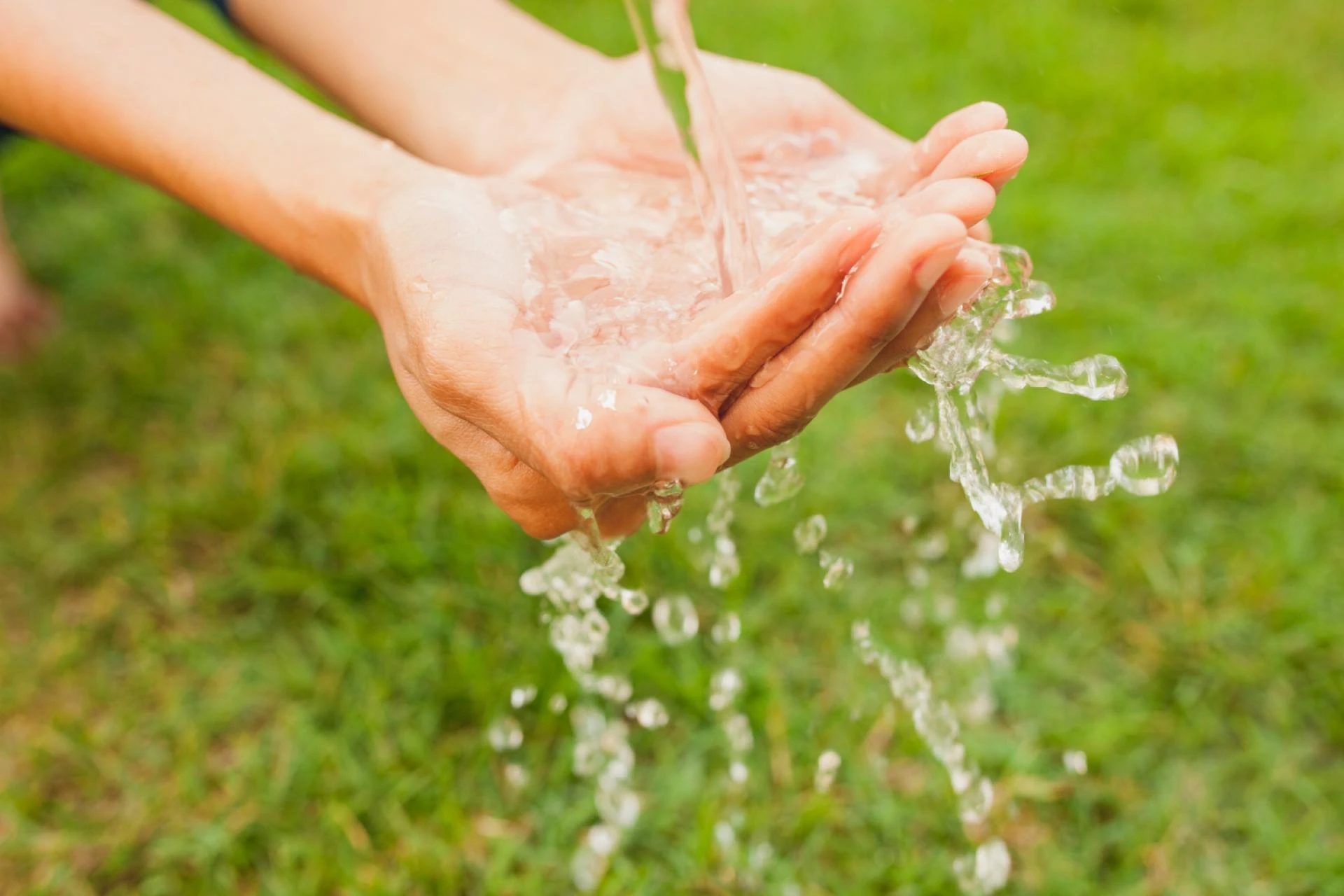
- Food and water hygiene: Safe storage of drinking water, washing utensils and vegetables before cooking, and covering food after preparation to minimise contamination before consumption.
- Menstrual health and hygiene: Providing accurate information on menstruation, supporting informed product choices and promoting safe disposal of menstrual waste to protect the dignity and health of women and adolescents.
- WaterAid India’s hygiene hub summarises these as everyday practices that help people stay “healthy and hygienic” and break the cycle of illness and lost opportunity.
How awareness and education drive behaviour change
WaterAid India emphasises “consistent nudges” for behaviour change through regular community meetings, hygiene sessions and campaigns on global days like Global Handwashing Day and World Toilet Day. These sessions are held in communities, schools, anganwadis and healthcare facilities so that hygiene becomes a shared norm, not a one‑time message.
Behind this is an education‑led approach: explaining why hygiene matters, demonstrating correct techniques (such as effective handwashing), and addressing cultural taboos and myths, particularly around menstruation. WaterAid’s FAQs on WASH underline that people‑centred communication and collaboration with local stakeholders are central to sustaining these changes.
Community impact and healthier futures
The Good Hygiene page highlights that by promoting hand hygiene, safe food and water handling, and menstrual health, WaterAid India aims to reduce infectious diseases and improve overall public health. These gains translate into fewer sick days, better school attendance, more reliable income for families, and stronger resilience to health crises.
Across its programmes, WaterAid India reports that hygiene education and best practices have reached large numbers of people, reinforcing its core mission: to make clean water, decent toilets and good hygiene normal for everyone, everywhere.
























Sign in to leave a comment.