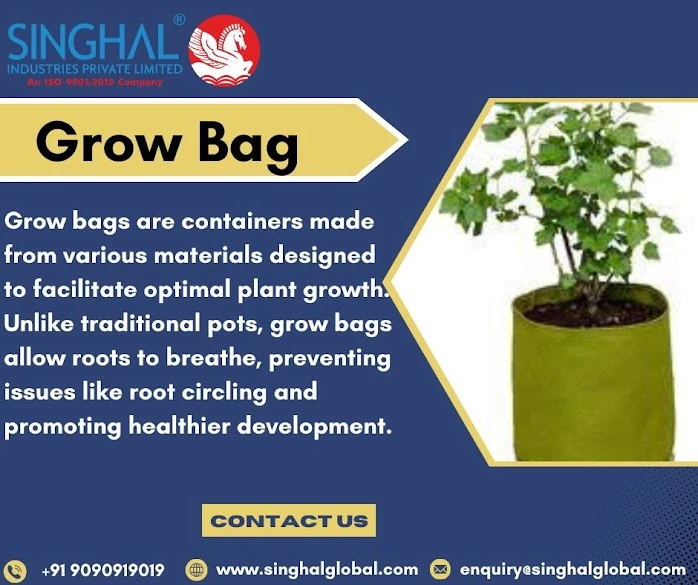

Urban gardening is on the rise, driven by a growing interest in sustainable living, fresh produce, and green spaces in crowded cities. For city dwellers with limited space, grow bags offer a practical and efficient solution. These versatile containers make it possible to cultivate a variety of plants, from vegetables to flowers, in confined spaces such as balconies, rooftops, and small yards. This article explores why grow bags are an excellent choice for urban gardening, highlights leading manufacturers, and provides tips for using them effectively.
What Are Grow Bags?
Grow bags are flexible containers typically made from durable materials like high-density polyethylene (HDPE) or fabric. They come in various sizes and shapes, allowing gardeners to grow plants in a controlled environment that optimizes root health and drainage. Unlike traditional pots or garden beds, grow bags can be easily moved and adapted to different locations, making them ideal for urban settings.
Benefits of Using Grow Bags in Urban Gardening
1. Space Efficiency
Urban spaces often come with limited gardening area. Grow bags are ideal for maximizing this space, as they can be placed on balconies, patios, or even window sills. They come in various sizes, from small bags for herbs to large ones for tomatoes or small shrubs, allowing you to grow a diverse range of plants without requiring a dedicated garden plot.
2. Enhanced Drainage
Good drainage is crucial for healthy plant growth. Grow bags are designed with excellent drainage capabilities, often featuring multiple holes or a porous fabric that allows excess water to escape. This helps prevent waterlogging and root rot, which can be common problems in traditional pots with poor drainage.
3. Better Root Health
Grow bags encourage healthier root development compared to traditional pots. The fabric or flexible material allows roots to air-prune as they reach the sides of the bag, promoting a more fibrous root system. This leads to better nutrient absorption and overall plant health. Additionally, the root systems in grow bags are less likely to become root-bound, which often happens in rigid containers.
4. Portability
The lightweight and flexible nature of grow bags make them highly portable. This is particularly useful for urban gardeners who may need to move their plants indoors during extreme weather or pests. Grow bags can be easily relocated, allowing for greater flexibility in plant care.
5. Cost-Effective
Grow bags are often more affordable than traditional garden containers, especially when considering their reusability and durability. They are a cost-effective solution for urban gardeners looking to make the most of their limited space without a significant financial investment.
Types of Grow Bags
1. Fabric Grow Bags
Fabric grow bags are made from breathable materials like felt or non-woven fabric. They offer excellent drainage and aeration, making them a popular choice for many urban gardeners. The fabric material helps regulate soil temperature and moisture levels, promoting healthy plant growth.
2. HDPE Grow Bags
High-density polyethylene (HDPE) grow bags are a sturdy alternative. HDPE is a durable plastic that resists wear and tear, making these bags long-lasting. They are often used for larger plants and are less prone to tearing compared to fabric grow bags. HDPE grow bags can be an excellent choice for gardeners looking for durability and ease of maintenance.
3. Recycled Material Grow Bags
Some grow bags are made from recycled materials, offering an eco-friendly option for sustainable gardening. These bags often use recycled plastics or fabrics and provide the same benefits as traditional grow bags while contributing to environmental conservation.
Leading Grow Bag Manufacturers
Grow Bags Manufacturers in Hyderabad is home to several reputable grow bags manufacturers that offer a range of products suited for urban gardening. These manufacturers provide high-quality grow bags made from various materials, including fabric and HDPE. Local manufacturers in Hyderabad can often offer custom solutions and bulk purchasing options, making them a valuable resource for both individual gardeners and commercial enterprises.
Grow Bags Manufacturers In India These manufacturers cater to a wide market, providing everything from small fabric bags for home gardeners to large HDPE bags for commercial use. They offer various sizes and materials, ensuring that gardeners across the country can find suitable options for their urban gardening projects.
HDPE Grow Bags Manufacturers
HDPE grow bags are popular for their durability and strength. Manufacturers specializing in HDPE grow bags focus on producing high-quality containers that can withstand the rigors of gardening. These bags are ideal for larger plants and offer superior resistance to wear and environmental conditions. Leading HDPE grow bag manufacturers often provide a range of sizes and customization options to meet diverse gardening needs.
4. Singhal Industries
Singhal Industries is a prominent name among grow bag manufacturers, known for their high-quality products and innovative solutions. They offer a variety of grow bags, including fabric and HDPE options, catering to different gardening requirements. Singhal Industries is recognized for its commitment to quality and sustainability, making it a reliable choice for urban gardeners seeking durable and effective grow bags.
Tips for Using Grow Bags
1. Choose the Right Size
Selecting the appropriate size of grow bag is crucial for plant health. For small plants and herbs, smaller bags are sufficient. For larger plants like tomatoes or peppers, opt for bigger bags that provide ample space for root development. Always consider the mature size of the plant when choosing a grow bag.
2. Use Quality Soil
The success of your urban garden also depends on the quality of the soil used in the grow bags. Use a well-draining, nutrient-rich potting mix designed for container gardening. Avoid using garden soil, as it may not provide the necessary drainage and aeration.
3. Water Wisely
Grow bags require regular watering, but overwatering can be detrimental. Ensure that the soil remains moist but not soggy. The excellent drainage provided by grow bags helps prevent waterlogging, but it’s still essential to monitor moisture levels and adjust watering as needed.
4. Provide Adequate Fertilization
Plants in grow bags may require more frequent fertilization compared to those in the ground, as nutrients can be quickly depleted in confined spaces. Use a balanced, slow-release fertilizer or organic amendments to keep your plants healthy and productive.
5. Monitor for Pests and Diseases
Regularly check your plants for signs of pests or diseases. The portable nature of grow bags makes it easier to move plants indoors or to different locations if issues arise. Implement integrated pest management practices to maintain plant health..
Conclusion
Grow bags offer a versatile and practical solution for urban gardening, providing space efficiency, enhanced drainage, and better root health. With a variety of sizes and materials available, gardeners can find the perfect grow bags to suit their needs. Whether you’re an urban gardener looking to cultivate fresh produce or a flower enthusiast with limited space, grow bags are a valuable addition to your gardening toolkit. By choosing products from reputable Hdpe Grow Bags Manufacturers including Singhal Industries, you can ensure high quality and effectiveness in your urban gardening endeavors.
FAQ: Grow Bags for Urban Gardening
1. What size grow bag should I use for vegetables? For vegetables, the size of the grow bag depends on the type of vegetable and its mature size. Small herbs and leafy greens can thrive in 5-7 gallon bags, while larger vegetables like tomatoes or peppers need 10-15 gallon bags.
2. Can I use grow bags for flowers? Yes, grow bags are suitable for growing flowers as well. Choose a size based on the type of flower and its root system. Larger flowers or shrubs will need bigger bags to accommodate their growth.
3. Are grow bags reusable? Yes, grow bags are reusable. With proper care, they can last several growing seasons. Clean them between uses to remove any residual soil and prevent disease transmission.
4. How do I clean HDPE grow bags? HDPE grow bags can be cleaned with water and mild soap. Allow them to dry completely before storing or reusing. Avoid using harsh chemicals that could damage the material.
5. Where can I buy high-quality grow bags? You can buy high-quality grow bags from local retailers, online stores, and specialized manufacturers. Look for reputable brands like Singhal Industries or local manufacturers in Hyderabad and across India to find durable and effective options























Sign in to leave a comment.