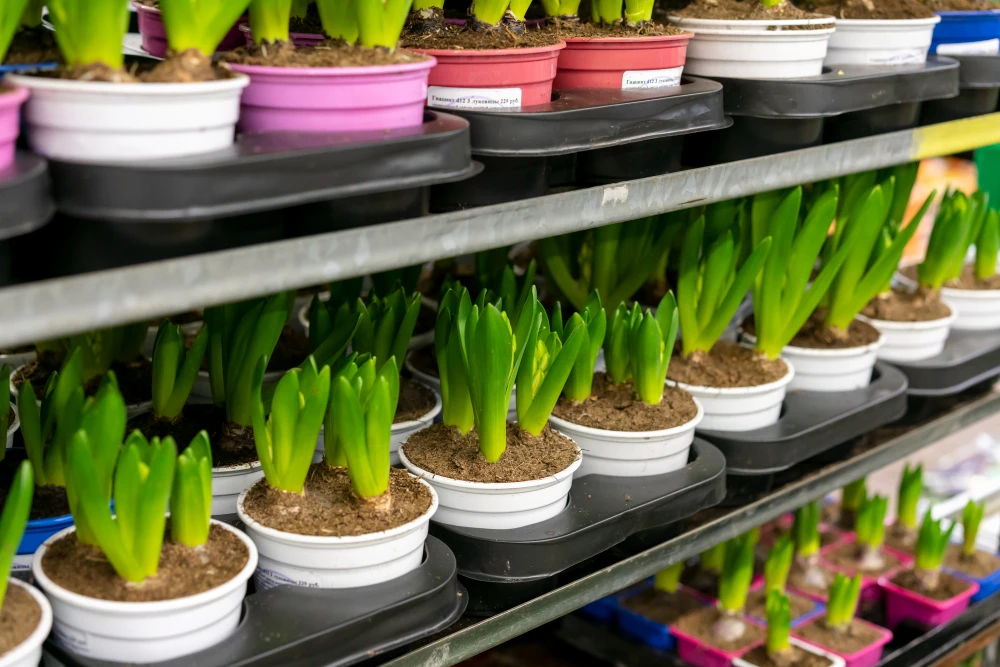

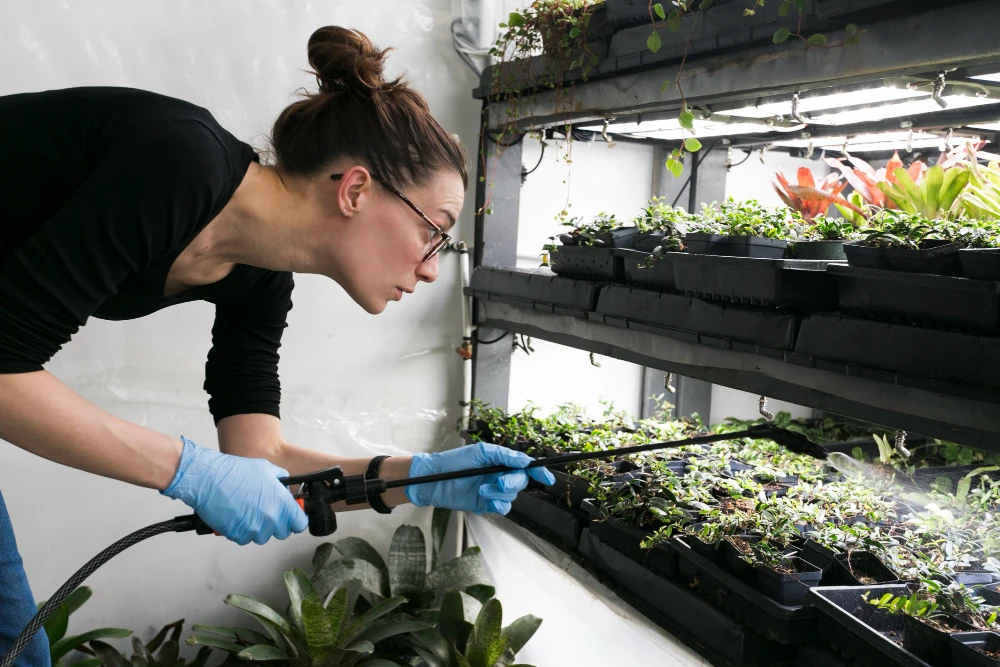
Indoor gardening has blossomed into more than just a hobby it’s a lifestyle, a wellness choice, and a growing design trend. Whether you're nurturing succulents, growing fresh herbs for your kitchen, or maintaining lush foliage year-round, the key to success lies in understanding how plants grow indoors and specifically, how light impacts that growth.
Sunlight, while ideal, isn’t always readily available especially for those living in apartments, urban spaces, or areas with long winters. This is where artificial lighting, or a quality indoor plant grow light setup, becomes essential. The right setup mimics natural sunlight, ensuring your plants receive the necessary spectrum and intensity for healthy photosynthesis and vibrant growth.
Understanding the Science Behind Grow Lights
The Role of Light in Plant Growth
Plants use light energy to power photosynthesis, the process by which they create food. The light spectrum plays a critical role: red and blue wavelengths are particularly important. Blue light supports vegetative growth, while red light promotes flowering and fruiting. A well-designed grow light mimics the sun's full spectrum to provide optimal conditions indoors.
Types of Grow Lights Explained
There are several types of grow lights on the market:
- Fluorescent lights (CFLs and T5 tubes) are budget-friendly and ideal for low-light plants.
- LED grow lights offer full-spectrum output, energy efficiency, and long life.
- High-Intensity Discharge (HID) lights like metal halide and high-pressure sodium are powerful and suitable for large setups but generate more heat.
Understanding these differences helps determine which indoor plant grow light is best suited for your space and plant collection.
Light Spectrum and Intensity
Not all lights are created equal. While lumens measure visible brightness, Photosynthetically Active Radiation (PAR) is the true measure of how useful a light is for plant growth. Full-spectrum LEDs are often the top choice because they offer a balanced range of PAR suitable for various growth stages.
Choosing the Right Grow Light for Your Plants
Assessing Plant Types and Growth Stages
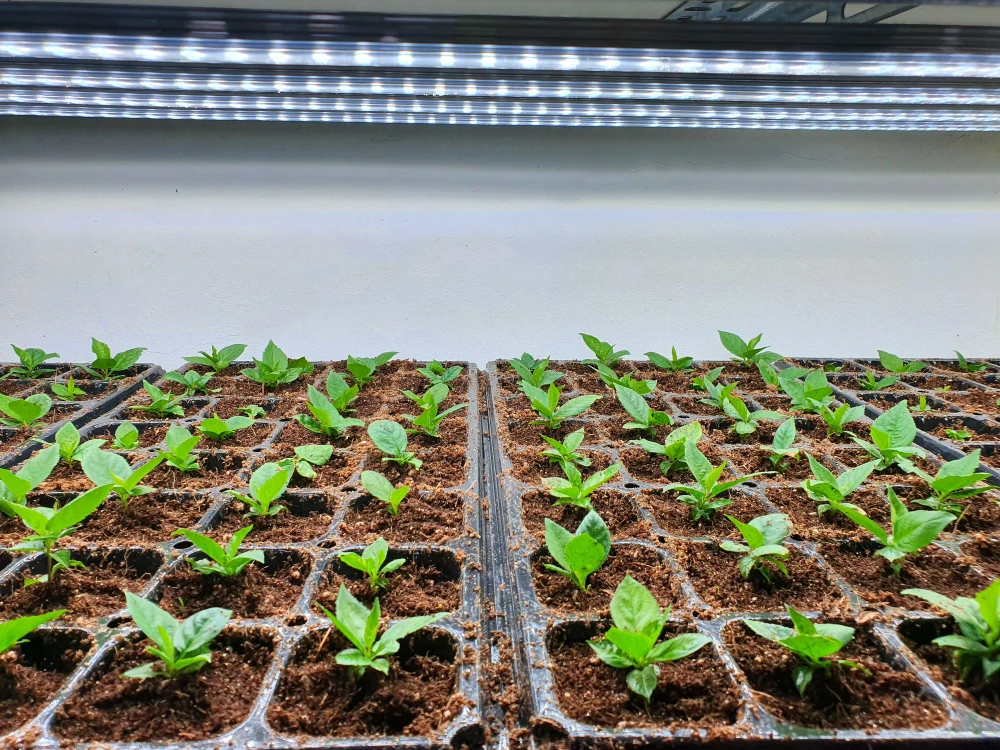
Different plants have different lighting needs. Leafy greens like lettuce require less light than fruiting plants like tomatoes. Likewise, seedlings need gentle, consistent light, while mature plants might need stronger, targeted exposure. Matching your indoor plant grow light to the specific plant variety ensures healthier growth and productivity.
Determining Light Duration and Cycles
Plants respond to day-length cues, known as photoperiods. Some plants are “short-day” and require long nights to flower, while others are “long-day” or “day-neutral.” Most grow lights come with timers or are compatible with smart plugs, making it easy to control light exposure. A typical recommendation: 12-16 hours of light per day for most houseplants.
Energy Efficiency and Cost Considerations
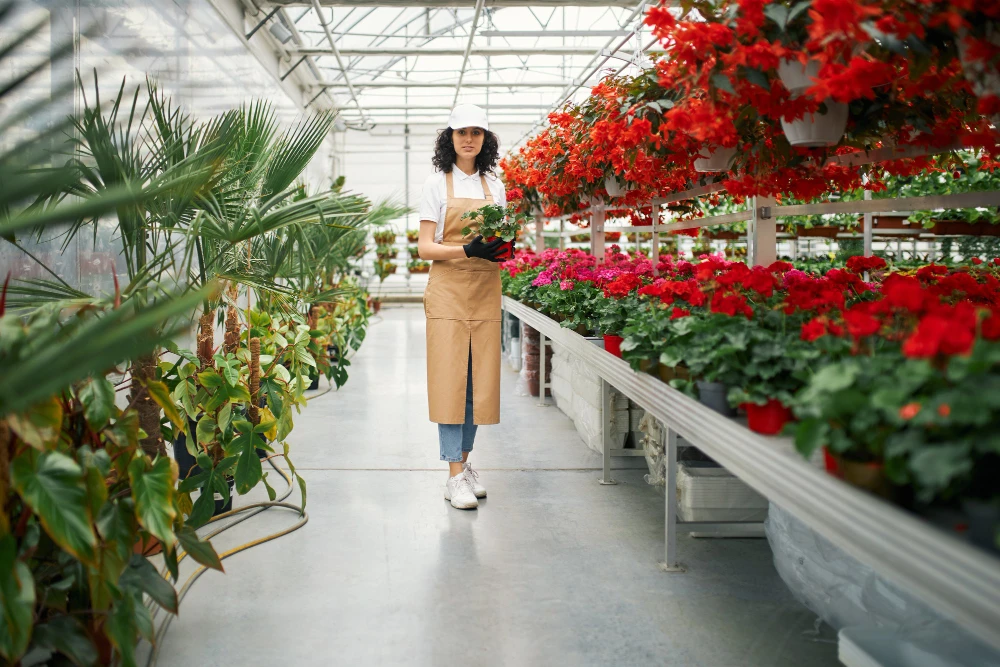
When selecting a grow light, consider both upfront costs and long-term energy consumption. LED grow lights tend to cost more initially but use less power and last significantly longer. This makes them a cost-effective and eco-friendly option, especially if you’re setting up a premium garden greenhouse indoors.
Setting Up an Efficient Indoor Grow Light System
Placement and Distance from Plants
The positioning of your lights matters. Too close, and you risk burning the leaves; too far, and plants may stretch unnaturally or become weak. A good rule of thumb: place LED lights 12–24 inches above the plant canopy, adjusting as needed based on intensity and growth stage.
Reflective Surfaces and Grow Tents
To maximize light usage, consider adding reflective materials like Mylar sheets or even white walls around your grow space. Alternatively, a premium garden greenhouse tent offers a self-contained environment with reflective interiors, humidity control, and easy light management.
Ventilation and Temperature Control
Grow lights, especially HID types, can produce heat. Without proper airflow, your space could overheat, leading to plant stress or even mold growth. Use fans, open shelving, and smart thermometers to maintain optimal conditions. For larger setups, small exhaust fans or cooling systems may be required.
Maintenance and Monitoring for Long-Term Success
Monitoring Light Performance Over Time
Even the best grow lights degrade over time. LEDs can lose brightness after several thousand hours, while fluorescent bulbs may flicker or dim. Regularly check your light output and replace bulbs or panels as needed to ensure consistent coverage.
Tracking Plant Health and Growth
Keep an eye on how your plants respond. Signs of inadequate lighting include pale leaves, leggy growth, or slow development. On the flip side, overly intense light may cause scorched leaves or leaf drop. Journaling or photographing your plant progress weekly can help spot subtle changes early.
Seasonal Adjustments and Scaling
Your indoor setup should evolve with the seasons and your growing ambitions. In winter, you may need to extend light hours. In spring, as daylight increases, you can reduce artificial light. As your plant collection expands, consider upgrading to more advanced fixtures or redesigning your layout to include multiple light zones.
Conclusion
Indoor gardening doesn’t have to be a gamble. With the right grow light setup, you can grow vibrant, healthy plants all year long regardless of natural light availability. From understanding light spectrums to selecting the best system for your needs, this guide has equipped you with the essential knowledge to start or improve your indoor garden.
Whether you're tending to a single pothos or cultivating a premium garden greenhouse, the right tools and especially the right indoor plant grow light make all the difference. As your indoor garden flourishes, you’ll not only enjoy lush greenery but also the therapeutic benefits and clean air that plants provide.
For those looking to start strong, consider trusted brands like All Seasons Sunshine for quality indoor gardening products that balance efficiency, durability, and plant-friendly design. With a thoughtful setup and a bit of daily care, you can create a thriving oasis right in your home.















Sign in to leave a comment.