
Introduction to Employee Financial Wellness Education
Employee financial wellness education has become a growing trend in the workplace, as employers recognize the impact of employees’ financial well-being on their overall job performance and productivity. This type of education aims to improve employees' understanding and management of their personal finances through various resources and tools such as workshops, seminars, and financial wellness apps. In this section, we will delve deeper into the importance of employee financial wellness education, the impact of financial stress on employees and businesses, and the top features of employee financial wellness apps.
Impact of Financial Stress on Employees and Businesses
Financial stress is a prevalent issue that affects many employees in today's workforce. From high levels of debt to inadequate savings for retirement, these financial burdens can take a toll on an individual's mental health and well-being.
The consequences of financial stress extend beyond individual employees; it also affects businesses in several ways. For instance, financially stressed employees are more likely to miss work due to physical or mental health issues related to their money worries. This results in decreased productivity levels and higher rates of absenteeism. Furthermore, studies have shown that financially stressed individuals are more prone to making mistakes at work due to a lack of focus or preoccupation with their personal finances.
Top Features of Employee Financial Wellness Apps
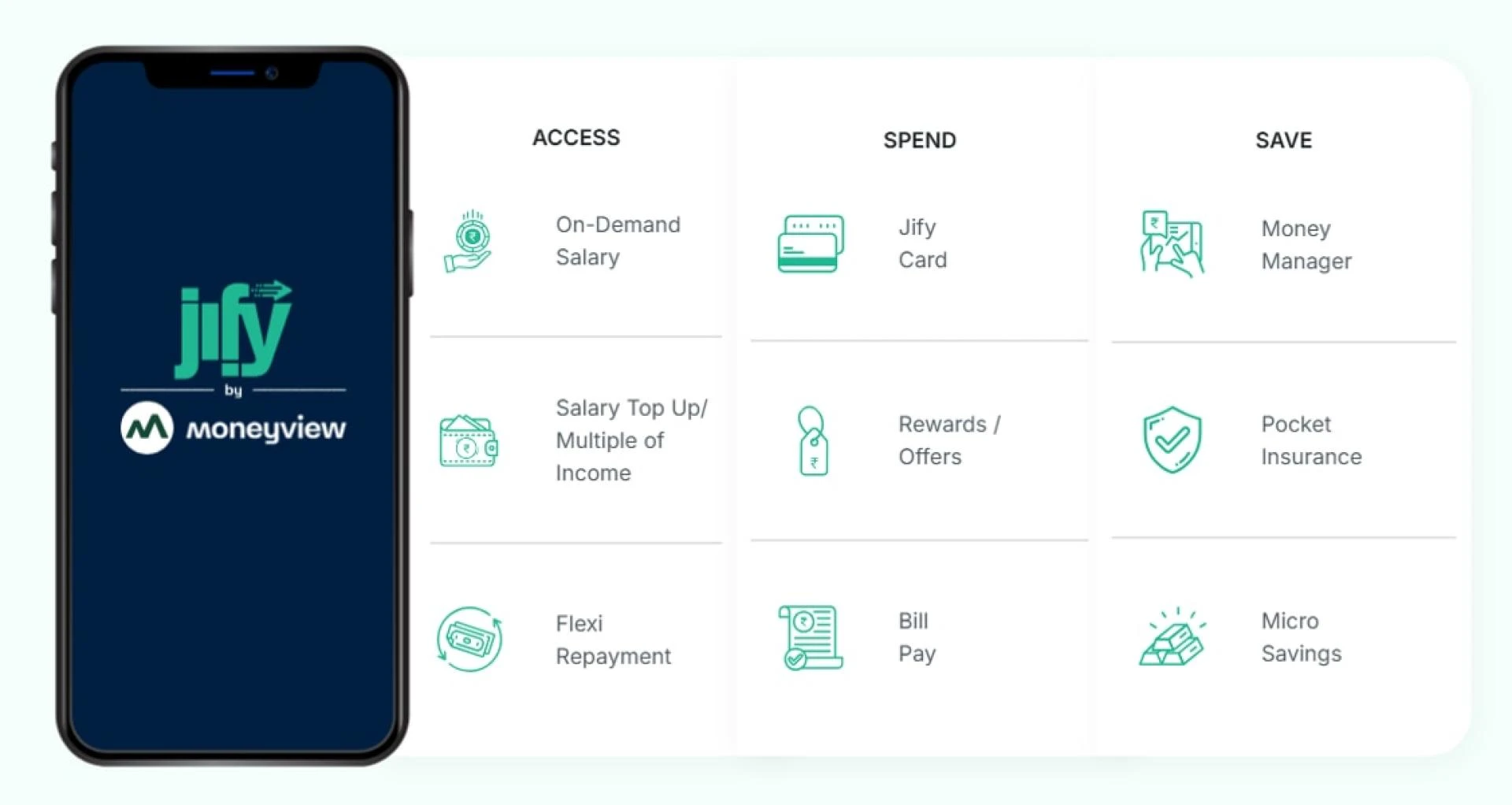
To address these issues, many companies have turned towards employee financial wellness apps as a solution for promoting better money management among their staff members. You can see the future scope of employee financial wellness apps in an increasing way. These apps offer various features aimed at educating employees about budgeting, saving for retirement or emergencies, managing debt effectively, accessing resources for improved credit scores, and more.
- Personalized Budgeting Tools: One significant feature offered by most employee financial wellness apps is personalized budgeting tools that allow individuals to track their spending habits easily. Users can set financial goals, create personalized budgets, and receive alerts when they exceed their budget limits. Additionally, these apps often offer educational resources such as articles, videos, and webinars to help employees learn more about money management.
- Ability to Connect with Financial Advisors or Coaches: Another crucial feature of these apps is the ability to connect with financial advisors or coaches for one-on-one counseling sessions. This allows employees to receive personalized advice on their specific financial situations and develop a tailored plan for achieving their financial goals.
Employee financial wellness education has become a vital aspect of workplace wellness programs due to its significant impact on both individuals and businesses. Utilizing the top features offered by employee financial wellness apps can significantly improve employees' understanding of personal finances and alleviate stress related to money matters in the workplace.
Benefits of Using Employee Financial Wellness Apps
Employee financial wellness has become a hot topic in the workplace, with employers recognizing the need to support their employees' financial health and well-being. One of the most effective ways to do this is by implementing employee financial wellness apps in the workplace. These apps offer a range of features and tools designed to improve employees' financial literacy, budgeting skills, and overall financial wellness.
- Improved Financial Literacy: Employee financial wellness apps provide employees with access to educational resources on topics such as budgeting, saving for retirement, managing debt, and investing. This can help improve employees' understanding of personal finance and empower them to make informed decisions about their money.
- Increased Engagement: These apps are designed to be interactive and engaging, making it easier for employees to understand complex financial concepts. By using gamification techniques or offering incentives for completing tasks or quizzes within the app, employers can increase employee engagement with their finances.
- Personalized Financial Guidance: Many employee financial wellness apps offer personalized recommendations based on an individual's specific financial situation. This can include creating a personalized budget plan or recommending investment options based on an employee's risk tolerance and goals.
- Convenient Access: With many people constantly connected to their smartphones, these apps provide a convenient way for employees to access important financial information anytime and anywhere they need it.
- Reduced Stress: Financial stress can have a significant impact on an employee's productivity and overall well-being in the workplace. By providing tools and resources to help manage their finances better, these apps can reduce stress levels among employees.
Addressing Common Concerns and Challenges With Implementing a Financial Wellness Program
- Resistance from Employees: Some employees may be resistant or hesitant about using these types of apps due to privacy concerns or the perception that their employer is trying to intervene in their personal finances. Employers should communicate clearly about the purpose and benefits of using these apps to alleviate these concerns.
- Integration with Existing Systems: Implementing a financial wellness program may require integrating new apps or platforms with existing HR or payroll systems, which can be a challenge for some organizations. It's essential to choose an app that seamlessly integrates with your current systems to avoid any disruption in workflow.
- Cost: While employee financial wellness apps can provide significant benefits, there may be a cost associated with implementing and maintaining them. Employers should consider budget constraints and weigh the potential return on investment before choosing an app.
- Ensuring Accessibility for All Employees: Employers must ensure that all employees have access to these apps, including those who may not have smartphones or are not tech-savvy. Providing training and support can help overcome this challenge.
Conclusion
In today's fast-paced and financially demanding world, employers must prioritize the financial wellness of their employees. By providing access to education and resources on budgeting, saving, and managing debt, companies can not only improve the overall well-being of their workforce but also see an increase in productivity and employee retention. Investing in employee financial wellness education is a win-win situation for both employers and employees, leading to a happier, more financially stable workplace. Let us continue to recognize the importance of this issue and work towards creating a healthier financial future for all employees.
























Sign in to leave a comment.