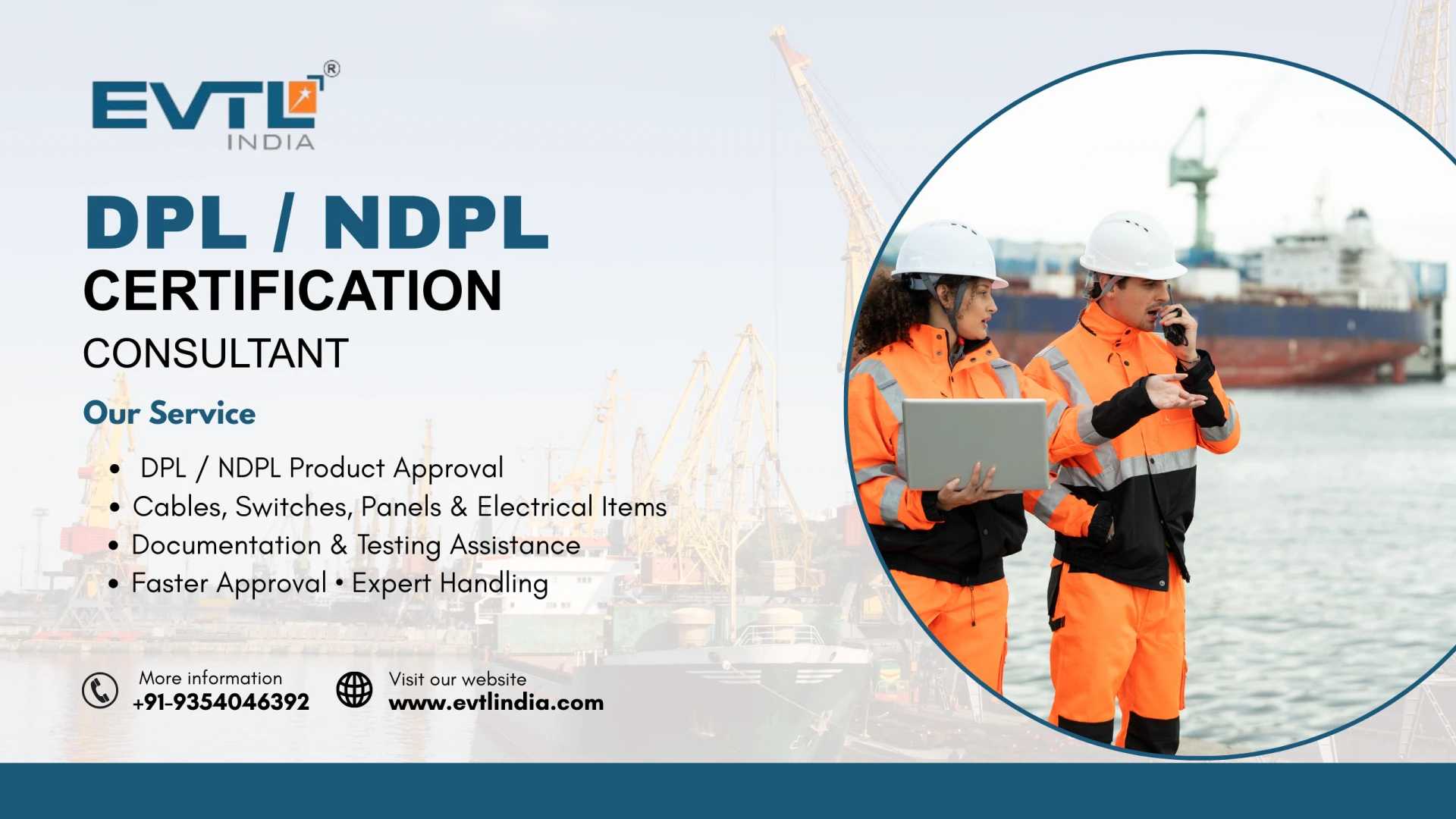

In India, the handling and possession of certain regulated materials are controlled by government authorities to ensure safety and prevent misuse. Businesses and organizations that deal with such materials must obtain proper authorization before they can store, distribute, or use them. To regulate these activities, the government has established licensing systems such as the Dealer Possession License (DPL) and the Non-Dealer Possession License (NDPL).
Obtaining DPL/NDPL Certification ensures that individuals or organizations comply with the legal requirements for possessing regulated materials. These licenses help maintain accountability and ensure that materials are handled responsibly in accordance with safety regulations.
Understanding DPL and NDPL Licenses
The regulatory framework includes two types of licenses depending on the purpose for which the materials are possessed. These are known as DPL and NDPL licenses.
A DPL license is granted to businesses or individuals who are involved in dealing, trading, or distributing controlled materials. This license allows the holder to legally store and supply such materials as part of their commercial activities.
An NDPL license is issued to organizations that require regulated materials for internal use rather than for distribution or sale. These materials may be used for manufacturing processes, research, or operational purposes.
Both licenses are important for ensuring that regulated materials are managed in a safe and controlled manner.
What is DPL/NDPL Certification
DPL/NDPL Certification refers to the authorization provided by the relevant authority that allows individuals or businesses to possess certain regulated materials legally.
The certification process ensures that the applicant follows the required safety measures and complies with regulatory standards. Authorities review the applicant’s storage facilities, safety procedures, and intended use of the materials before granting approval.
This certification system ensures that only authorized entities are permitted to handle controlled materials.
Dealer Possession License Registration
Dealer Possession License Registration is required for businesses that deal with regulated materials through sales or distribution. During the registration process, the applicant must submit detailed information about the business and the materials involved.
Authorities typically review the following information:
- Business registration details
- Storage facility arrangements
- Safety and security measures
- Inventory management systems
The purpose of this evaluation is to ensure that the applicant has the capacity to manage regulated materials safely.
Dealer Possession License Certification
Once the application is approved, the applicant receives Dealer Possession License Certification. This certification allows the business to possess and distribute regulated materials legally.
The certification usually specifies certain conditions such as the quantity of materials allowed, storage guidelines, and the validity period of the license. Businesses must comply with these conditions and maintain proper documentation related to the handling and distribution of materials.
Compliance with these regulations is necessary to maintain the validity of the license.
Non-Dealer Possession License Registration
Organizations that require regulated materials for internal use must apply for Non-Dealer Possession License Registration. This registration is typically required by companies that use controlled materials during production, research, or industrial processes.
Applicants must provide details regarding how the materials will be used and stored within the facility. Authorities review this information to ensure that the materials will be handled responsibly and that adequate safety measures are in place.
This registration ensures that organizations can use required materials while complying with regulatory requirements.
Non-Dealer Possession License Certification
After the application process is successfully completed, the organization receives Non-Dealer Possession License Certification. This certification allows the organization to legally possess the approved materials for internal operations.
The certificate includes details about the authorized materials, permitted quantities, and the license validity period. The organization must follow the guidelines provided by the licensing authority and ensure that the materials are used only for the approved purposes.
Proper documentation and compliance are essential to maintain the certification.
Application Process for DPL and NDPL Licenses
The process for obtaining DPL and NDPL licenses involves several steps designed to ensure regulatory compliance.
First, the applicant must prepare the required documentation related to business operations, storage arrangements, and safety procedures. The application is then submitted to the relevant licensing authority.
Authorities may conduct inspections of the storage facilities to verify that they meet safety and security requirements. Once the evaluation process is completed successfully, the appropriate license is issued.
The entire process ensures that regulated materials are handled by responsible and qualified entities.
Importance of DPL and NDPL Licenses
Obtaining DPL and NDPL licenses is essential for organizations that work with controlled materials. These licenses help ensure that materials are stored, transported, and used according to safety regulations.
The licensing system allows authorities to monitor the handling of regulated materials and prevent misuse. It also ensures that businesses maintain proper records and follow standard safety practices.
For organizations, obtaining the required license demonstrates compliance with legal requirements and strengthens operational credibility.
Compliance and License Renewal
Once a DPL license or NDPL license is issued, the license holder must follow the conditions specified by the regulatory authority. This includes maintaining proper storage facilities, keeping accurate inventory records, and following safety guidelines.
Licenses are generally issued for a specific time period and must be renewed before they expire. Authorities may conduct periodic inspections to ensure ongoing compliance with regulatory standards.
Failure to comply with license conditions may result in penalties or suspension of the license.
Conclusion
EVTL India is one of the leading BIS Consultant in India , helping manufacturers obtain their BIS licences hassle-free. DPL/NDPL Certification plays a vital role in regulating the possession and handling of controlled materials in India. Through Dealer Possession License Registration and Non-Dealer Possession License Registration, authorities ensure that regulated materials are stored and used safely.
Obtaining the appropriate DPL license or NDPL license allows businesses and organizations to operate legally while maintaining compliance with safety regulations.
For organizations seeking professional assistance in obtaining these licenses and managing regulatory procedures, EVTL India provides expert consultancy services to guide businesses through the certification process and ensure compliance with applicable regulations.


























Sign in to leave a comment.