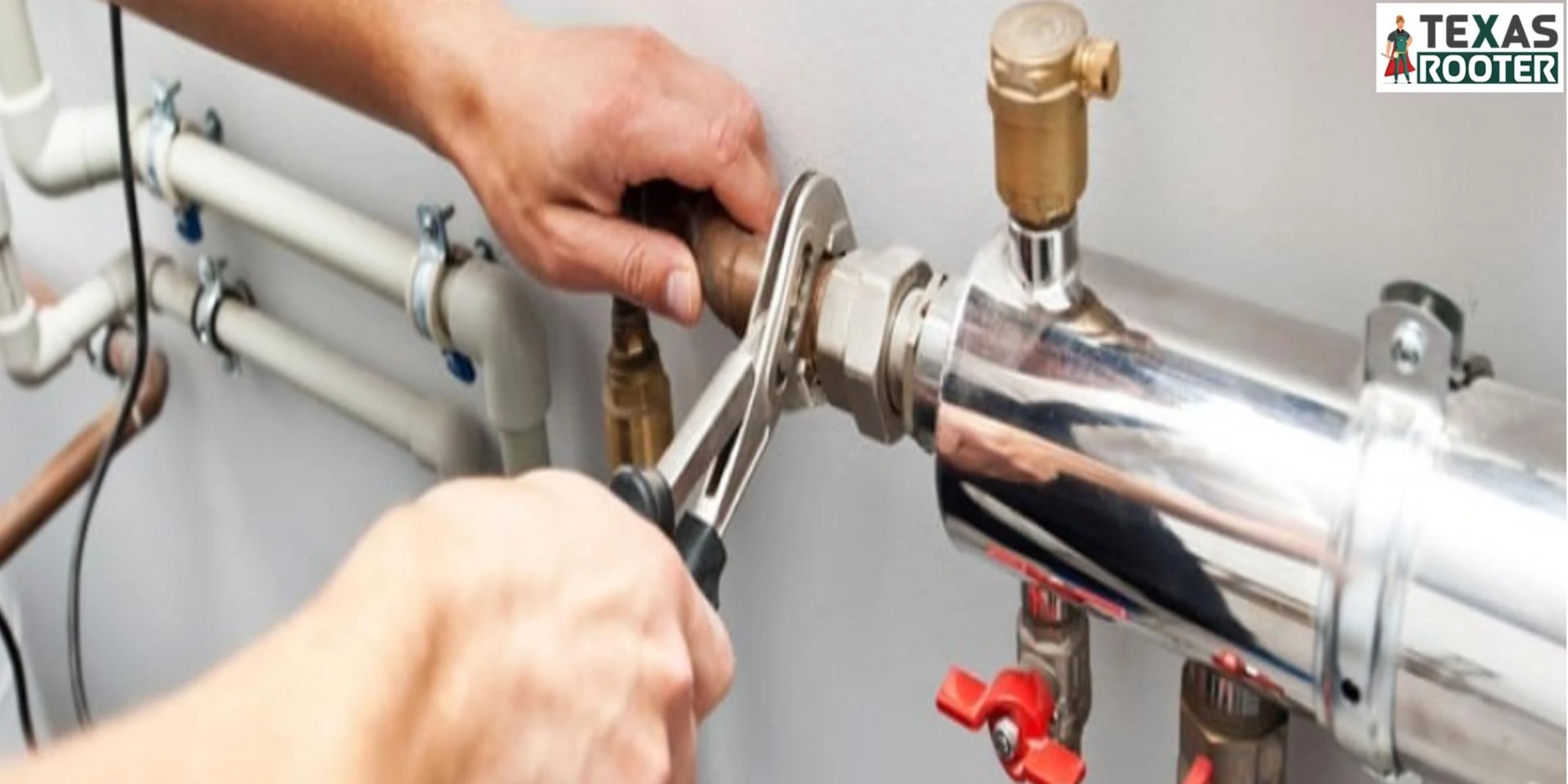

Winter brings more than just chilly mornings and frosty nights it also poses real risks to your home’s plumbing system. Frozen pipes can burst, leading to costly damage and unexpected emergencies. If you’re looking for a reliable plumber in Farmers Branch, knowing how to prevent these problems before they happen can save you from stress and expensive repairs.
Why Frozen Pipes Are a Big Problem
When water freezes, it expands, putting immense pressure on your pipes. Even durable pipes like copper or PEX can burst under extreme conditions. This doesn’t just cause leaks—it can flood your home, ruin walls and floors, and leave you facing high repair bills.
Tips to Prevent Frozen Pipes
1. Insulate Exposed Pipes
Pipes in basements, attics, and crawl spaces are most vulnerable. Use foam pipe insulation or heat tape to keep them warm during freezing temperatures.
2. Keep a Drip Running
Allowing faucets to drip slightly keeps water moving through pipes, lowering the chance of freezing. It’s a small step that can prevent major problems.
3. Open Cabinet Doors
Opening cabinets under sinks allows warm indoor air to circulate around pipes, especially on exterior walls.
4. Seal Cracks and Drafts
Cold air entering through gaps near pipes increases freezing risks. Use caulk or insulation to block drafts around windows, doors, and foundation walls.
5. Maintain Your Water Heater
Hot water demand often rises in winter. Regular maintenance like flushing your water heater ensures it runs efficiently and reduces strain on your system.
6. Schedule a Winter Plumbing Checkup
Many homeowners wait until disaster strikes to call a plumber. Preventative inspections can uncover issues early, from weak pipe joints to hidden leaks.
What to Do if Pipes Freeze
- Shut off the main water supply immediately.
- Use a hair dryer or space heater (never open flames) to gently thaw the pipe.
- Call a professional plumber if you can’t locate or safely thaw the pipe.
Maria L. – Farmers Branch, TX
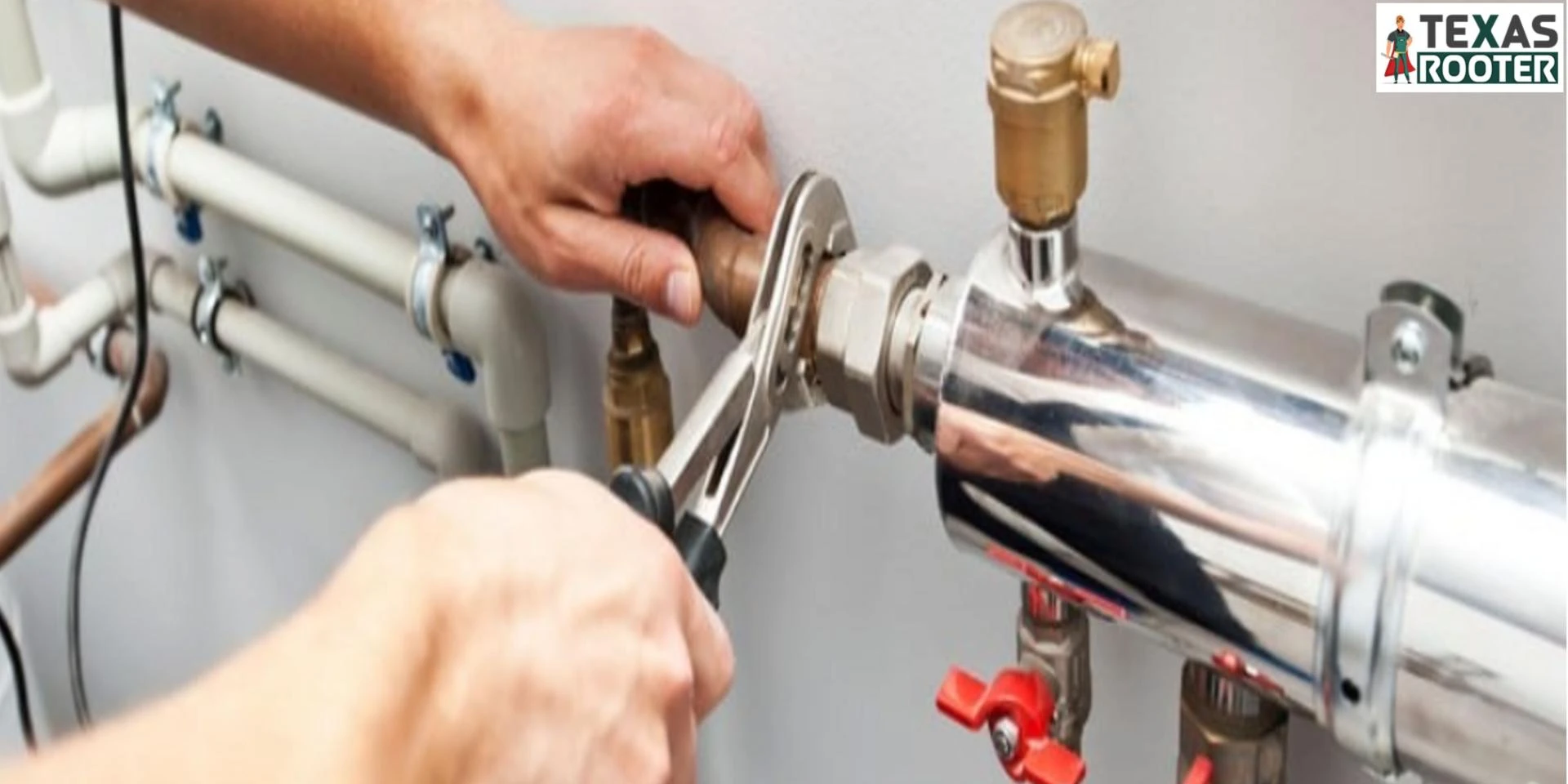
Maria went on vacation during a cold snap and returned to find water pooling in her laundry room. A frozen pipe in her garage had burst. She called a plumber in Farmers Branch who quickly shut off the water, replaced the damaged section, and insulated the remaining exposed pipes. The plumber also suggested installing a smart leak detector for future peace of mind. Maria’s home is now better prepared for the winter months.
Frequently Asked Questions
Q1: How cold does it need to be for pipes to freeze?
Pipes can begin freezing when outdoor temperatures drop to 20°F or lower, though poorly insulated pipes may freeze sooner.
Q2: Can I use space heaters to keep pipes warm?
Yes, but use them with caution and never leave them unattended. Pipe insulation is a safer, long-term solution.
Q3: Should I shut off outdoor water lines in winter?
Absolutely. Disconnect hoses and shut off outdoor faucets to reduce the risk of frozen and burst lines.
Q4: How do I know if my pipes are frozen?
Common signs include no water coming from faucets, frost on pipes, or strange odors from drains.
Q5: Is it worth getting a plumbing inspection before winter?
Yes, preventative inspections can identify weak spots and help you avoid costly emergencies.
Conclusion
Frozen pipes and winter plumbing problems can cause significant damage, but most are preventable with a little preparation. From insulating pipes to scheduling seasonal inspections, taking proactive steps is key. For expert help and long-term solutions, trust the professionals at Texas Rooter to keep your home safe and comfortable through every season.



























Sign in to leave a comment.