

Most homeowners don’t think about their plumbing until something goes wrong a burst pipe, a flooded bathroom, or a water heater that suddenly gives up. But the truth is, most plumbing disasters start small. A slow drain, a minor leak, or even a neglected water heater can all lead to expensive repairs down the road.
If you want to save money (and headaches), understanding what not to do is just as important as knowing what to do. As any experienced plumber in McKinney will tell you, preventive care can make your plumbing last for decades.
Let’s break down the top 10 plumbing maintenance mistakes homeowners make and how to avoid them.
1. Ignoring Small Leaks
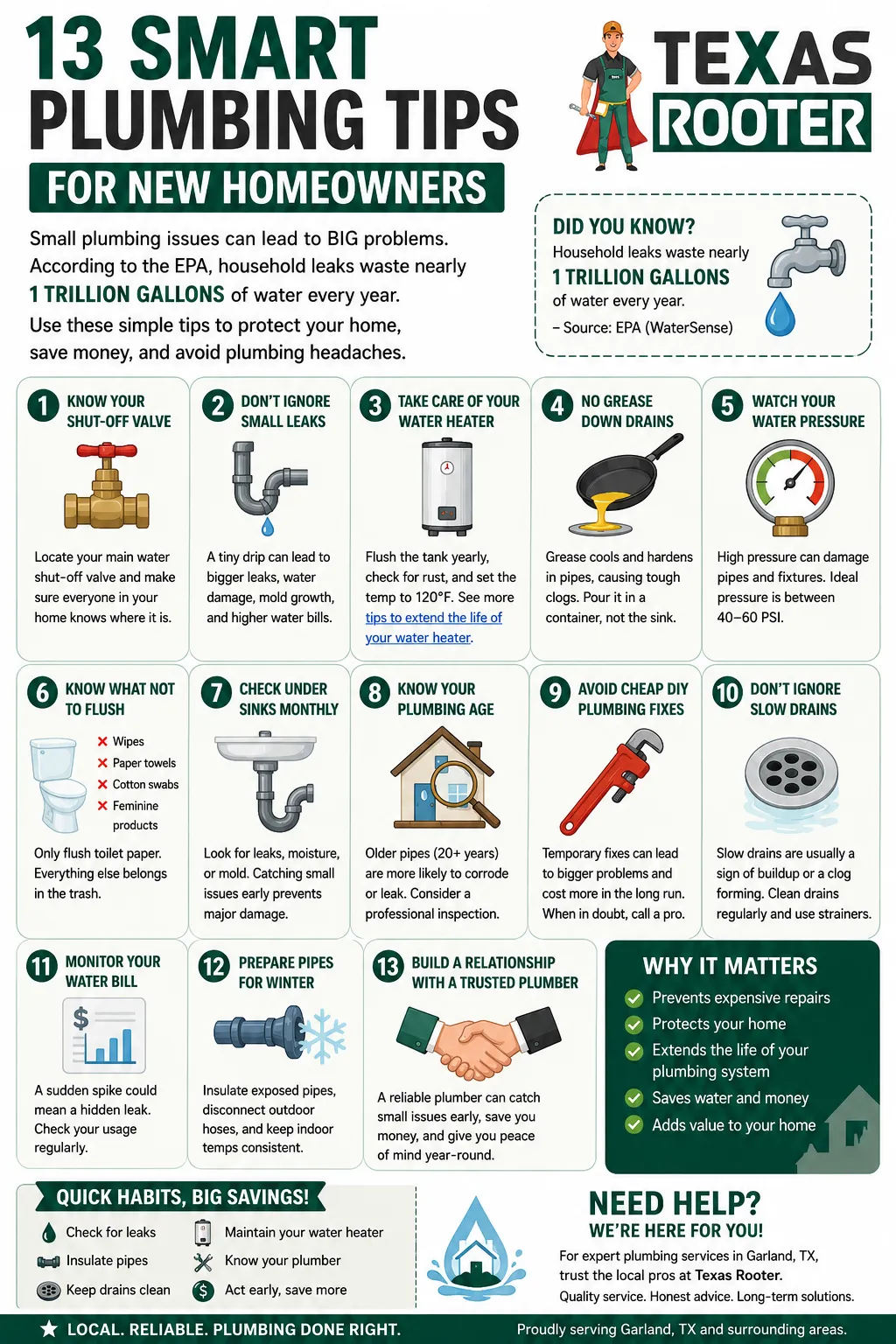
A dripping faucet or a damp spot under your sink may not seem urgent, but even tiny leaks waste thousands of gallons of water each year. Over time, that moisture can cause mold, rot, and higher water bills.
How to Avoid It:
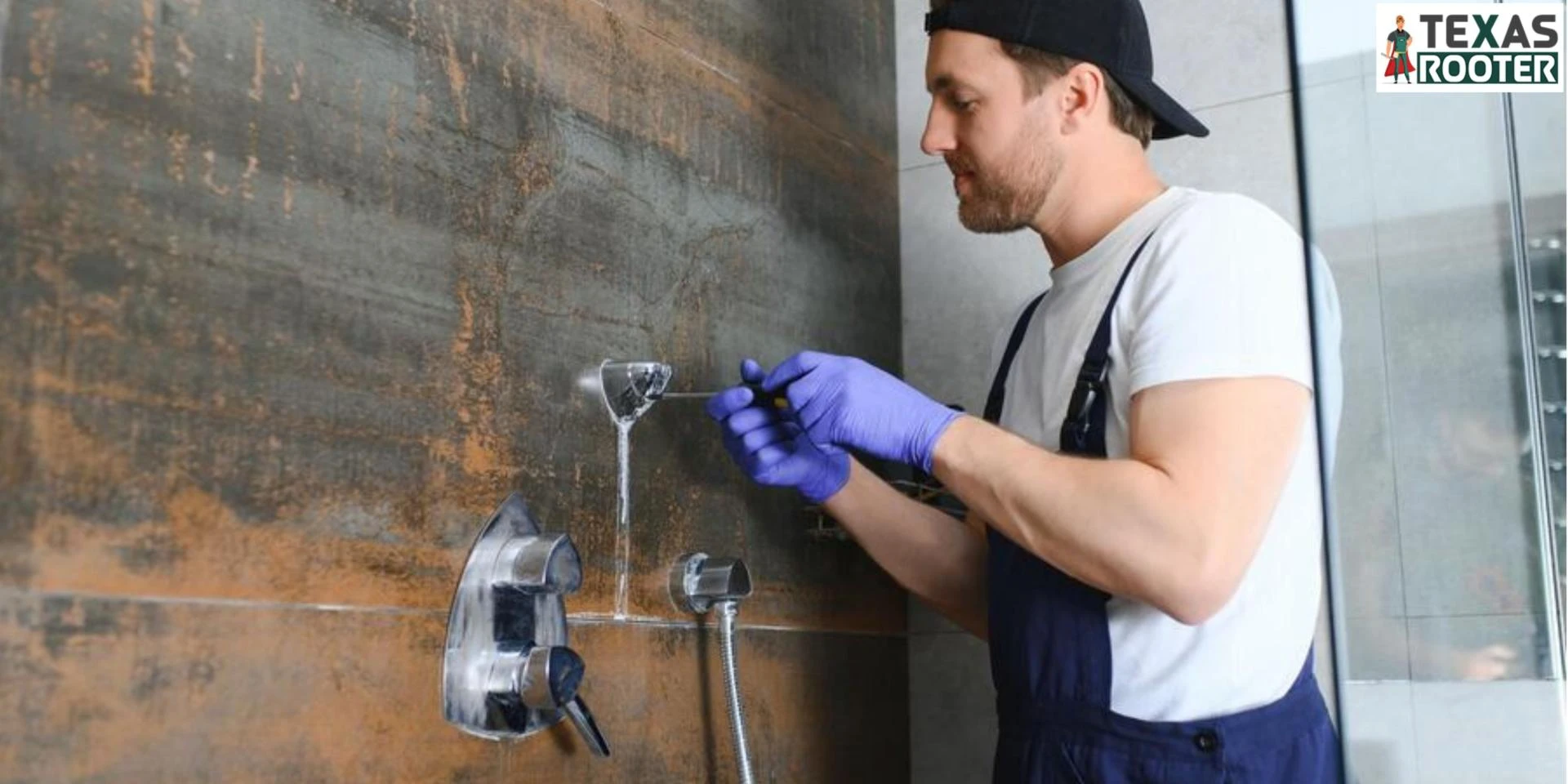
Check under sinks, behind toilets, and around appliances once a month. If you notice any dampness or stains, it’s time to call a professional before the problem spreads. Routine inspections help you detect hidden leaks early and save hundreds in potential damage.
2. Using Chemical Drain Cleaners
Those harsh liquid drain cleaners promise quick results but they corrode your pipes, especially older copper or PVC ones. Repeated use can cause leaks and long-term pipe failure.
How to Avoid It:
Use a drain snake or natural cleaner instead. Mix baking soda and vinegar, pour it down the drain, and flush with hot water after 10 minutes. It’s eco-friendly and pipe-safe.
3. Flushing “Flushable” Wipes
Despite what the packaging says, most “flushable” wipes don’t break down like toilet paper. They can clog your pipes and your city’s sewer system.
How to Avoid It:
Only flush toilet paper and human waste. Keep a small trash bin in the bathroom for everything else especially baby wipes, paper towels, and feminine products.
4. Forgetting to Service the Water Heater
Your water heater works hard every day, but it’s often ignored until something goes wrong. Sediment buildup can cause rust, loud noises, and inefficient heating.
How to Avoid It:
Flush your tank once a year to remove sediment and extend the life of your water heater. If your heater is over 10 years old, consider an inspection to make sure it’s still performing safely and efficiently.
5. Overusing the Garbage Disposal
Garbage disposals can’t handle everything. Throwing in bones, fruit pits, coffee grounds, or fibrous veggies (like celery or corn husks) can jam the blades or clog the drain line.
How to Avoid It:
Run cold water while using your disposal, and feed small amounts of soft waste at a time. Avoid grinding anything hard or stringy.

6. Skipping Routine Drain Cleaning
Ignoring slow drains can lead to full blockages, foul smells, and water backups especially in older homes.
How to Avoid It:
Clean your drains regularly with hot water and vinegar. Schedule professional drain cleaning services once or twice a year to keep buildup under control.
7. Not Knowing Where the Main Shutoff Valve Is
During a burst pipe or flooding situation, every second counts. Yet many homeowners have no idea where their main shutoff valve is located.
How to Avoid It:
Find your valve now typically near the perimeter of your home or where the main water line enters. Mark it clearly, and teach everyone in the household how to turn it off in an emergency.
8. Ignoring Water Pressure Issues
Low or fluctuating water pressure is often a sign of a hidden problem like pipe corrosion, mineral buildup, or a leak. High pressure, on the other hand, can damage pipes and fixtures.
How to Avoid It:
Use a water pressure gauge to test your home’s pressure. It should stay between 40–60 psi. If it’s too high or too low, contact your local plumber in McKinney to inspect your plumbing system.
9. Leaving Outdoor Faucets Unprotected
When temperatures drop, uninsulated outdoor faucets can freeze and crack causing costly leaks once the ice thaws.
How to Avoid It:
Before winter, disconnect hoses and cover your outdoor spigots with foam protectors. It’s a simple, low-cost step that prevents expensive repairs.
10. DIY Fixes Without Proper Knowledge
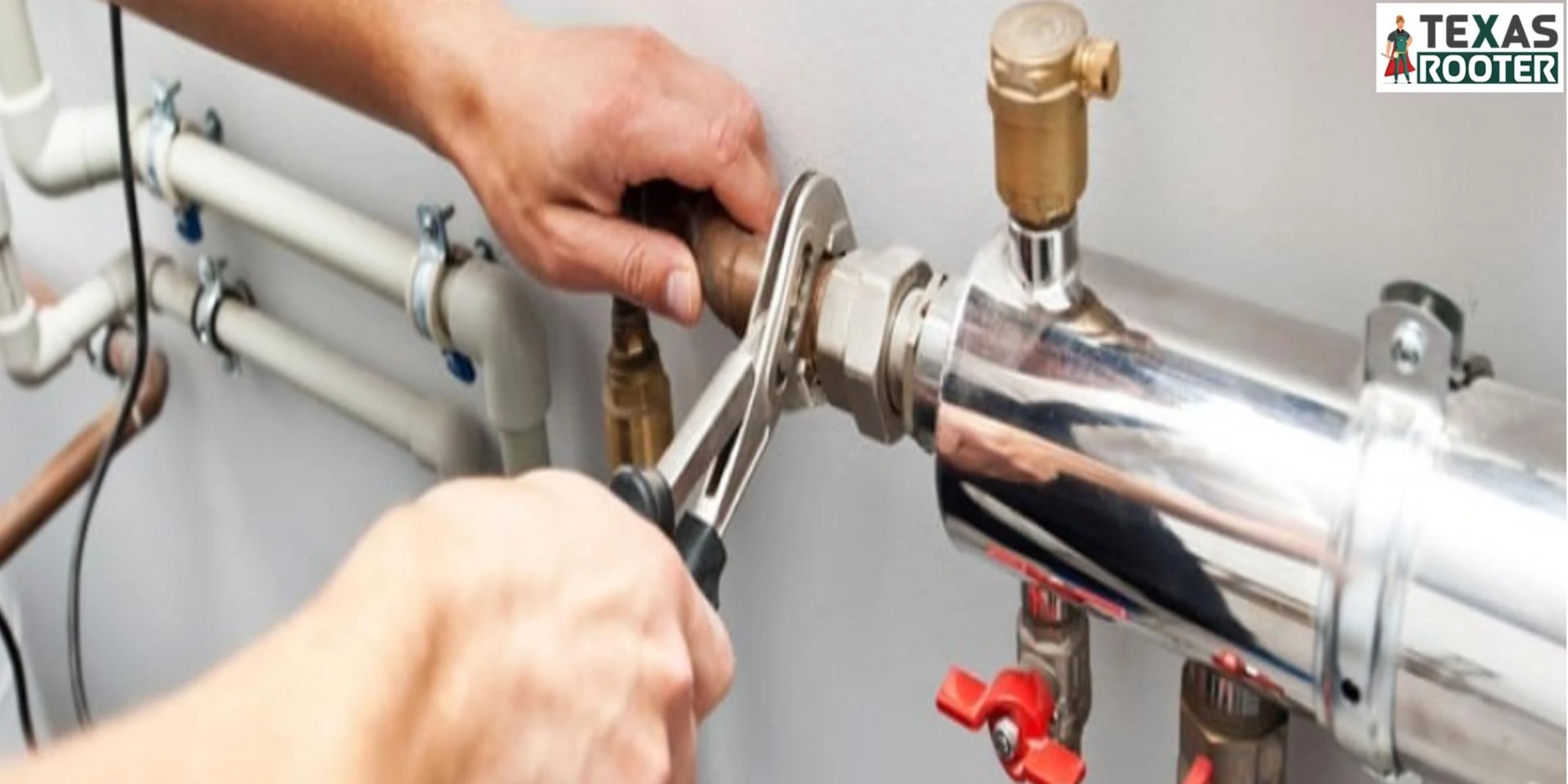
It’s tempting to grab a wrench and fix that leak yourself, but plumbing repairs often require more skill than they seem. One wrong move could turn a $50 problem into a $500 one.
How to Avoid It:
Tackle only what you truly understand. For everything else, call a licensed professional. Local experts know your area’s water conditions and can fix problems right the first time.
The $2,500 “DIY” Mistake
A McKinney homeowner tried to repair a leaking pipe under their sink using YouTube instructions and the wrong type of sealant. The leak stopped temporarily but two weeks later, the pipe burst and flooded the kitchen.
By the time they called a plumber in McKinney, the water damage had ruined the cabinetry and flooring. The total bill? Over $2,500 all from a “simple” DIY fix gone wrong.
Sometimes, calling a pro early saves you far more than doing it yourself.
Quick Tips for Smart Plumbing Maintenance
- Schedule an annual inspection with a trusted plumber
- Watch for spikes in your water bill they usually signal a hidden leak
- Clean aerators and showerheads quarterly
- Drain your water heater every 12 months
- Avoid putting grease down your kitchen sink
Taking these simple steps can add years to your plumbing system’s lifespan and peace of mind to your home.
FAQs About Plumbing Maintenance Mistakes
1. What’s the most common plumbing mistake homeowners make?
Ignoring small leaks. They often seem harmless but can lead to severe water damage over time.
2. Can I use drain cleaner occasionally?
It’s best to avoid chemical cleaners altogether. Even occasional use can weaken your pipes. Opt for natural solutions or call a professional for stubborn clogs.
3. How often should I flush my water heater?
Once a year. Regular flushing removes sediment buildup and helps extend the life of your water heater while improving energy efficiency.
4. How can I tell if my home’s water pressure is too high?
If faucets spray aggressively, or pipes make banging noises, you may have high pressure. Use a gauge to test or ask your plumber in McKinney to check it.
5. When should I call a professional plumber instead of DIY?
Any time you’re unsure. If it involves cutting pipes, major leaks, or water heater issues, skip the DIY — it’s safer (and cheaper) to get expert help.
Conclusion
Plumbing maintenance isn’t just about avoiding problems it’s about protecting your investment. By steering clear of these 10 common mistakes, you can save money, avoid stress, and keep your home running smoothly.
If you ever find yourself dealing with a leak, slow drain, or water heater problem, don’t wait for it to get worse. Reach out to a trusted plumber in McKinney to get fast, reliable, and long-lasting solutions.




























Sign in to leave a comment.