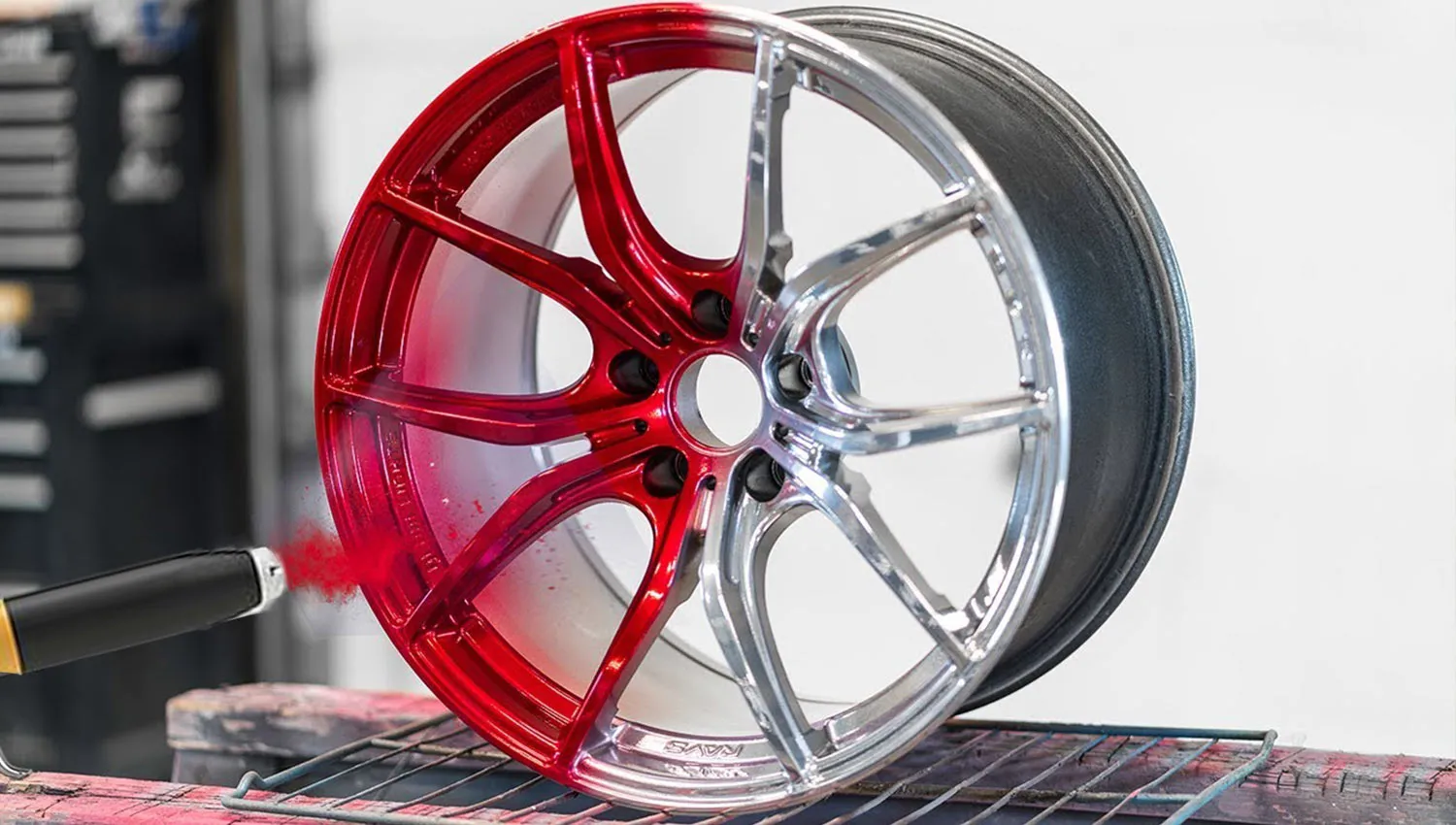

For Rhode Island drivers, wheels are more than just a decorative component of a vehicle; they are the primary point of contact with the harsh New England environment. Between the corrosive salt used on Warwick roads in the winter and the constant bombardment of road debris, factory wheel finishes eventually succumb to pitting, peeling, and curb rash.
When you are ready to restore your vehicle’s appearance and structural integrity, securing professional Wheel Powder Coating Services in Warwick, RI ensures a finish that is significantly tougher than any traditional liquid paint. This process is the gold standard for automotive enthusiasts who demand a combination of bespoke style and extreme durability.
The Science of Durability: Powder vs. Liquid Paint
The primary reason powder coating has overtaken traditional painting in the automotive industry is the chemical bond created during the curing process. Unlike liquid paint, which relies on a solvent to evaporate, powder coating is applied as a dry, electrostatically charged powder.
Once applied, the wheels are placed in a high-temperature curing oven. The heat causes the powder to melt and cross-link, creating a "skin" that is thick, flexible, and virtually indestructible. This finish is resistant to:
- Corrosion: Essential for Rhode Island winters where road salt eats through standard paint.
- Impact: Powder coating is much less likely to chip when hit by small rocks or road gravel.
- Heat: Perfect for performance vehicles where brake heat can cause traditional paint to blister.
The Restoration Process: From Curb Rash to Showroom Quality
Professional wheel powder coating is not a "quick fix" but a multi-stage industrial process. To achieve a flawless finish, the wheels must undergo rigorous preparation:
- Media Blasting: The original factory finish, along with any rust or oxidation, is stripped away using abrasive media. This creates a "profile" on the metal surface that allows the powder to adhere perfectly.
- Structural Repair: Any "curb rash" or minor gouges are smoothed out to ensure the wheel is perfectly round and aesthetically perfect.
- Outgassing: The wheels are pre-heated to remove any trapped air or impurities within the alloy, preventing bubbles in the final finish.
- Electrostatic Application: The dry powder is sprayed onto the grounded wheel, ensuring even coverage in every nook and cranny of the rim's design.
- Thermal Curing: The wheels are baked at temperatures usually between 350°F and 400°F, creating the final hard-shell finish.
Customization: Finding Your Signature Style
One of the greatest advantages for Warwick car owners is the sheer variety of finishes available. Whether you are looking for a subtle factory restoration or a bold custom look, the options are nearly limitless:
- Satin and Matte Blacks: Currently the most popular choice for a modern, aggressive "stealth" look.
- Metallic and Candy Finishes: High-gloss colors that pop in the sunlight, perfect for show cars.
- Texture and Wrinkle Finishes: Great for hiding imperfections on older wheels while providing a rugged, industrial aesthetic.
- Clear Coating: An additional layer of transparent powder can be applied to provide extra depth and UV protection.
Protecting Your Investment
In Warwick, RI, a set of high-end aftermarket wheels can cost thousands of dollars. Powder coating acts as a protective shield, preserving the value of the underlying alloy. Furthermore, because powder-coated surfaces are non-porous, they repel brake dust and grime much more effectively than paint. This makes your weekly car wash significantly easier, as most debris will simply spray off with a hose.
Conclusion
Whether you are looking to refresh a daily driver or complete a high-end restoration, professional powder coating offers a level of performance that paint simply cannot match. By choosing a local Warwick specialist, you are ensuring that your wheels can handle the unique challenges of Rhode Island driving while looking better than the day they left the showroom.
FAQ: Understanding Wheel Powder Coating
1. How long does the powder coating process usually take? Most professional wheel restorations in Warwick take between 2 to 4 business days. This allows for proper stripping, cleaning, outgassing, coating, and cooling. Rushing the process can lead to "orange peel" textures or poor adhesion, so patience is key for a lifetime finish.
2. Can you powder coat wheels that have already been painted? Yes, but the old paint must be completely removed via sandblasting or chemical stripping first. Powder cannot be applied over liquid paint because the high temperatures of the curing oven would cause the old paint to melt and ruin the new finish.
3. Is powder coating more expensive than buying new wheels? Usually, no. Powder coating is a fraction of the cost of purchasing high-quality new rims. It allows you to keep your original equipment manufacturer (OEM) wheels—which are often stronger than cheap aftermarket alternatives—while giving them a completely new look.
4. Does powder coating hide deep scratches and curb rash? The media blasting process removes surface scratches, and deeper gouges are typically repaired using specialized metal fillers or sanding before the powder is applied. The result is a smooth, uniform surface that looks brand new.
5. How do I maintain my powder-coated wheels after service? Maintenance is simple: use mild soap and water. You should avoid harsh acidic wheel cleaners or abrasive brushes, as the finish is already naturally resistant to brake dust. A simple microfiber cloth is usually all you need to maintain the shine.
6. Can chrome wheels be powder coated? Yes, but they require extra preparation. The chrome plating must be stripped down to the raw aluminum through a specialized process to ensure the powder bonds correctly. Once stripped, they can be coated in any color, including "Chrome-look" powders.
7. Is the finish resistant to Rhode Island road salt? Absolutely. Powder coating is one of the most effective barriers against salt-induced corrosion. This is why it is used on industrial equipment and outdoor furniture—it is designed to withstand the exact type of chemical stress found on New England winter roads.
8. What happens if I curb a powder-coated wheel? While powder coating is extremely tough, it is not invincible. If you hit a curb, the coating can chip. However, unlike paint, powder coating doesn't typically "spider web" or flake off from the point of impact, making small repairs easier for a professional to manage.
9. Will powder coating affect the balance of my tires? The coating itself is applied in a very thin, even layer (typically 2-4 mils), so it does not significantly affect wheel balance. However, tires must be removed for the process and re-mounted/balanced afterward, which is standard procedure during restoration.
10. Can I choose a custom color that isn't black or silver? Yes. Modern powder coating technology allows for thousands of custom colors, including neons, pearls, and even glow-in-the-dark options. Most shops in Warwick have a wide array of swatches to help you find the exact match for your vehicle’s trim.



















Sign in to leave a comment.