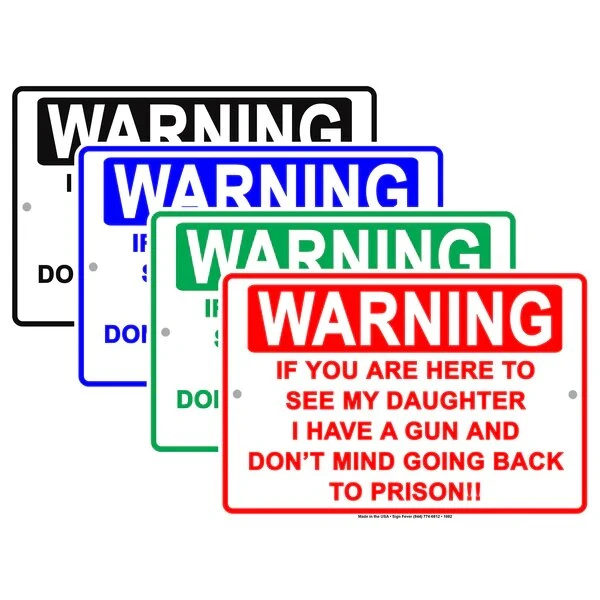

The Importance and Effectiveness of Gun Warning Signs: A Comprehensive Overview
Introduction
Gun warning signs play a crucial role in ensuring public safety and preventing firearm-related incidents. These signs are designed to communicate the presence of firearms, establish restricted areas, and educate individuals on responsible gun handling and behavior. The objective of this article is to delve into the significance and effectiveness of gun warning signs in various contexts, including public spaces, private properties, and educational institutions.
Purpose of Gun Warning SignsGun warning signs primarily serve two fundamental purposes: promoting safety and compliance with laws and regulations related to firearms.
1.1. Safety Promotion
Gun warning signs act as visual cues that alert individuals to the potential presence of firearms in a given area. They help create a heightened sense of awareness, promoting cautious and responsible behavior, especially in spaces where the presence of firearms can pose a threat.
1.2. Compliance with Laws and Regulations
Many jurisdictions mandate the posting of gun warning signs in specific locations to ensure compliance with local, state, or national laws regarding firearm possession, usage, and storage. These signs inform individuals about the legal requirements related to firearms in a particular area.
Types of Gun Warning SignsGun warning signs encompass a range of types, each tailored to address specific circumstances, regulations, and safety objectives. These signs contribute significantly to public safety and the responsible handling of firearms.
2.1. No Firearms Allowed Signs
"No Firearms Allowed" signs are perhaps the most recognizable and straightforward type of gun warning sign. These signs explicitly communicate areas where firearms are prohibited. They are typically posted in a variety of locations, including:
Government Buildings: Federal, state, or local government offices, courthouses, and other public administration facilities often have strict no-firearms policies to maintain a safe environment.Educational Institutions: Schools, colleges, and universities use these signs to create a gun-free zone within their campuses, ensuring the safety of students, faculty, and staff.Commercial Establishments: Shopping malls, restaurants, theaters, and other private businesses often post these signs to outline their no-firearms policy for the safety and comfort of their customers.Public Events: During events such as concerts, fairs, or sports games, organizers may designate firearm-free zones to reduce potential risks associated with a large gathering.2.2. Concealed Carry Warning Signs
In jurisdictions where concealed carry permits are permitted, specific signs notify individuals whether concealed carry is allowed or prohibited on the premises. The purpose of these signs is to offer clarity and transparency regarding concealed carry policies, enabling individuals to adhere to local regulations. They are typically found in places such as:
Retail Stores: Retail establishments can choose to allow or prohibit concealed carry within their premises, and these signs make their policy clear to customers.Restaurants and Bars: Establishments serving alcohol may have specific policies regarding concealed carry, often dictated by local laws, which are communicated through these signs.Hotels and Lodging: Some lodging establishments may have policies regarding firearms on their premises, and these signs communicate whether concealed carry is permitted or not.2.3. Educational Gun Safety Signs
Educational gun safety signs aim to educate the public on safe firearm handling, storage, and reporting of suspicious activity. They often include informative content related to:
Firearm Safety Tips: Information about safe firearm handling practices, emphasizing the importance of treating every gun as if it is loaded, keeping fingers off the trigger until ready to point your weapon in a safe direction and shoot.Reporting Suspicious Activity: Instructions and contact details for reporting any suspicious or concerning activity related to firearms, promoting community engagement, and vigilant reporting.Gun Safety Programs: Details about local gun safety programs, workshops, or training sessions aimed at educating individuals about firearm safety and responsible gun ownership.Places like community centers, shooting ranges, and public spaces promoting educational campaigns related to gun safety typically display these signs.
By understanding and promoting these types of gun warning signs, we can collectively contribute to a safer society and foster responsible gun use while respecting the laws and regulations in place.
Effectiveness of Gun Warning Signs
The effectiveness of gun warning signs in promoting safety and preventing firearm-related incidents depends on several factors, including visibility, clarity, adherence to regulations, and public awareness.
3.1. Visibility and Placement
Place gun warning signs prominently and ensure they are easily visible to anyone entering the premises. Proper placement ensures that individuals are aware of firearm policies and restrictions, influencing their behavior accordingly.
3.2. Clarity of Message
The content and design of gun warning signs must be clear and easily comprehensible. Ambiguity or confusion regarding the message conveyed by the signs can diminish their effectiveness in promoting safety and compliance.
3.3. Adherence to Regulations
For gun warning signs to be effective, they must comply with relevant laws and regulations. Ensuring accurate and up-to-date information informs individuals of the legal requirements and expectations regarding firearms in a specific area.
3.4. Public Awareness and Education
Educating the public about the significance of gun warning signs and the reasons behind their implementation is vital. Awareness campaigns, community outreach, and educational programs contribute to enhancing the effectiveness of these signs in promoting a safe environment.
Challenges and CriticismsDespite the advantages of gun warning signs, there are challenges and criticisms associated with their implementation and effectiveness.
4.1. Non-Compliance
One challenge is non-compliance, where individuals may ignore or disregard gun warning signs. Especially when they disagree with the policies or regulations in place.
4.2. Inadequate Enforcement
Inadequate enforcement of gun warning signs can reduce their impact. Strict enforcement of policies and corresponding consequences for violations are crucial for ensuring compliance.
4.3. Varying Laws and Regulations
Differences in laws and regulations across jurisdictions can lead to confusion regarding the interpretation and applicability of gun warning signs. Standardization and uniformity of regulations may help address this issue.
Conclusion
Gun warning signs play a crucial role in promoting safety, compliance with laws, and responsible firearm handling. Their effectiveness depends on various factors, including visibility, clarity, adherence to regulations, and public education. To boost their impact, organizations should continuously work on raising public awareness. And understanding the importance of these signs in maintaining a safe environment. Furthermore, addressing challenges such as non-compliance and inconsistent enforcement can further contribute to the efficacy of gun warning signs.



























Sign in to leave a comment.