
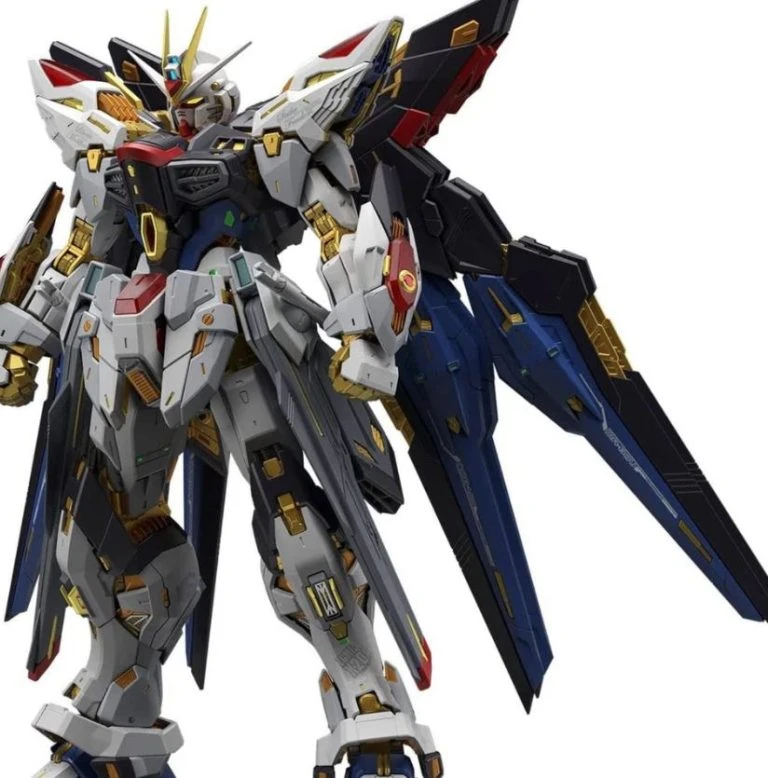
Gunpla, short for "Gundam plastic model," refers to model kits depicting the mechas (robots) from the extensive Gundam franchise. Originating in Japan in the 1980s, Gunpla has become a global hobby, captivating enthusiasts with its intricate designs and customizable features. Whether you\'re a seasoned model builder or a complete novice, this guide will introduce you to the basics of Gunpla 101, helping you understand the different types of kits, the necessary tools, and the basic techniques to get you started on your first build.
Understanding Gunpla Grades and Scales
Before diving into your first project, it\'s essential to familiarize yourself with the various Gunpla grades and scales. These classifications help determine the complexity, size, and detail level of the model kits.
High Grade (HG)
Scale: 1/144
Description: HG kits are the most beginner-friendly. They offer a balance between detail and ease of assembly, making them an excellent starting point. The parts are often molded in color, and minimal painting is required.
Real Grade (RG)
Scale: 1/144
Description: RG kits are more detailed and complex than HG, featuring advanced articulation and intricate parts. They are designed for modelers seeking more realism without a significant increase in size.
Master Grade (MG)
Scale: 1/100
Description: MG kits are larger and more detailed, often including an internal skeleton (or frame) that adds to the model\'s articulation and stability. These kits require more time and patience to assemble, making them suitable for more experienced builders.
Essential Tools for Gunpla Building
Building Gunpla is a rewarding hobby, but having the right tools is crucial for a smooth experience. Here are the essential tools every builder should have:
Side Cutters (Nippers)
These are used to cut parts from the plastic runners. A good pair of side cutters will provide clean cuts, reducing the need for excessive sanding or trimming.
Hobby Knife
A sharp hobby knife is useful for trimming excess plastic (nubs) and cleaning up parting lines. Handle it with care to avoid injury.
Tweezers
Tweezers are handy for handling small parts and applying stickers or decals.
Sanding Tools
Sanding sticks or files help smooth out rough edges and remove nub marks. Fine-grit sandpaper can also be used for finishing touches.
Panel Lining Pens
Panel lining adds depth and detail to your model. Special pens are available for this purpose, typically in black, gray, or brown.
Cutting Mat
A self-healing cutting mat protects your work surface and provides a grid for precise measurements and cuts.
Plastic Cement (Optional)
While most modern Gunpla kits are snap-fit, plastic cement can be used for extra stability or for customizing parts.
Basic Building Techniques
Once you have your tools and chosen kit, it\'s time to start building. Here are the basic steps:
Preparing Your Workspace
Ensure you have a clean, well-lit workspace. Organize your tools and kit parts to avoid losing any small pieces.
Reading the Instructions
Gunpla kits come with detailed instruction manuals. Take time to read through them before starting. The manual will guide you through the assembly process step-by-step.
Cutting Parts from Runners
Use your side cutters to carefully snip parts from the runners. Cut close to the part, but leave a small nub to avoid damaging it.
Trimming and Sanding Nubs
Use your hobby knife to trim the remaining nub. Follow up with sanding tools to smooth the area. Be gentle to avoid scratching the part.
Assembling Parts
Follow the instruction manual to assemble the parts. Gunpla kits are designed to snap together, so glue is generally unnecessary.
Panel Lining
Use panel lining pens to accentuate the lines and details on your model. This step can significantly enhance the overall look of your Gunpla.
Applying Stickers and Decals
Most kits come with stickers or water-slide decals for additional detail. Use tweezers to apply them precisely. For water-slide decals, soak them in water and carefully position them on the model.
Posing and Displaying
Once assembled, you can pose your Gunpla in various action stances. Display it proudly on a shelf or in a display case.
Advanced Techniques and Customization
As you gain experience, you may want to explore more advanced techniques and customization options:
Painting
Painting can bring a new level of detail and personalization to your Gunpla. Use acrylic paints and an airbrush for the best results. Masking tape is useful for creating clean lines and color separations.
Weathering
Weathering techniques can make your model look battle-worn and realistic. Techniques include dry brushing, washes, and applying weathering powders.
Kitbashing
Kitbashing involves combining parts from different kits to create a unique model. This creative process allows for endless customization possibilities.
Scratch Building
For the truly dedicated, scratch building involves creating custom parts from scratch, using plastic sheets and other materials. This technique requires advanced skills and tools but can result in one-of-a-kind models.
Community and Resources
The Gunpla community is vibrant and supportive, with numerous online resources available for beginners and experts alike:
Online Forums and Social Media
Websites like Reddit, Facebook groups, and dedicated Gunpla forums are great places to share your builds, ask for advice, and find inspiration.
YouTube Tutorials
Many experienced builders share tutorials and build logs on YouTube, offering step-by-step guidance on various techniques.
Gunpla Events
Events like the Gunpla Builders World Cup (GBWC) showcase incredible builds and offer a chance to meet fellow enthusiasts.
Local Hobby Shops
Visiting a local hobby shop can provide hands-on assistance, access to tools and kits, and the opportunity to connect with other builders in your area.
Conclusion
Building Gunpla is a fulfilling and creative hobby that offers something for everyone, from beginners to advanced modelers. By understanding the different grades and scales, gathering the necessary tools, and mastering basic building techniques, you can embark on a rewarding journey into the world of Gunpla. As you gain experience, don\'t hesitate to explore advanced techniques and customization options to make each model uniquely yours. Happy building!

























Sign in to leave a comment.