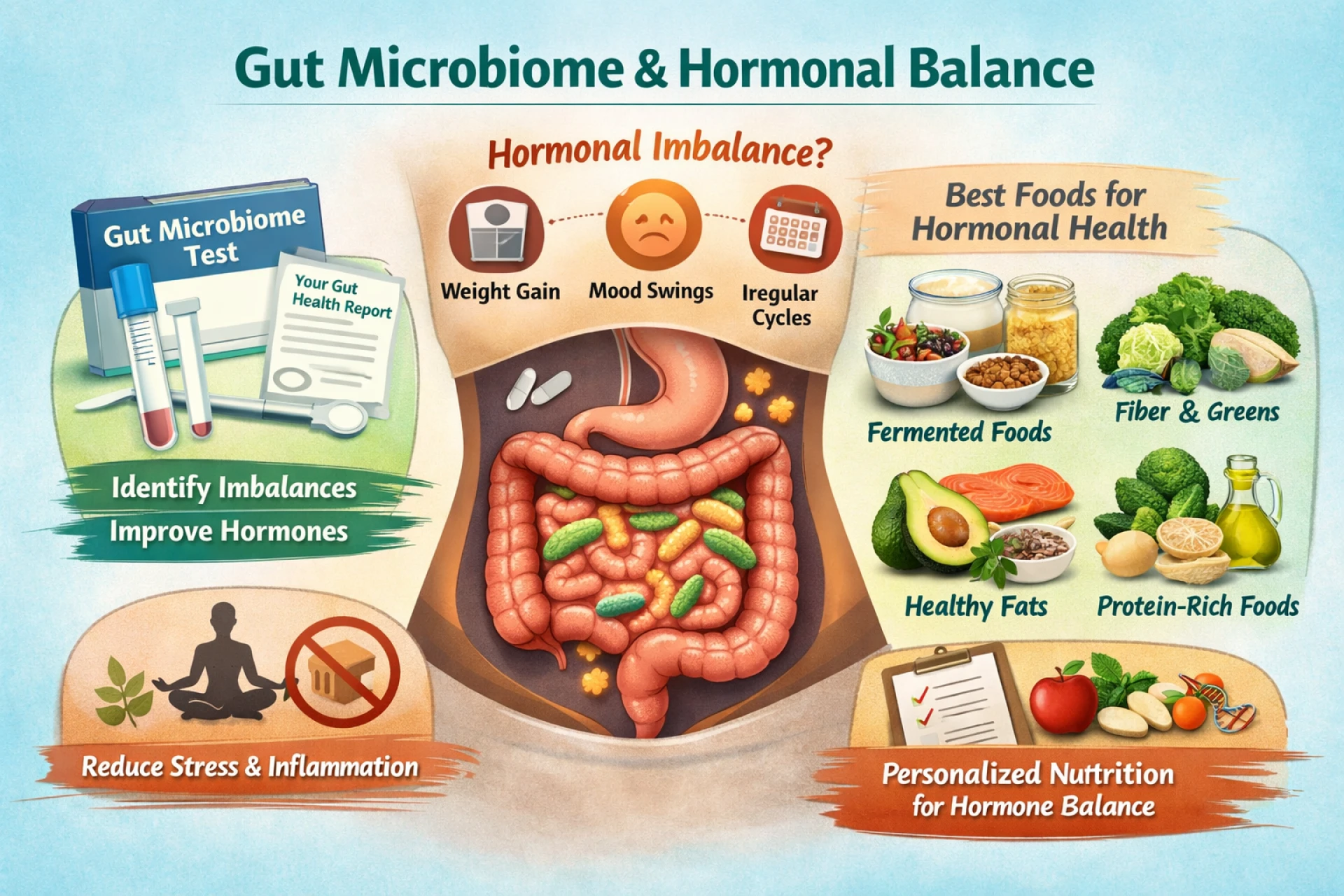

Hormonal imbalance is no longer a rare health concern. From irregular periods, weight fluctuations, fatigue, mood swings, acne, to digestive discomfort, many people experience symptoms without realizing their root cause may lie deep inside the gut. Modern research now confirms a powerful connection between gut health and hormones making the gut microbiome test an essential tool for understanding overall well-being.
At Longeny, the focus is on uncovering these hidden imbalances through science-backed testing and personalized insights, helping individuals make smarter lifestyle and nutrition choices.
Understanding the Gut–Hormone Connection
The gut microbiome is a complex ecosystem of trillions of bacteria living in your digestive tract. These microorganisms don’t just help digest food; they actively influence metabolism, immune response, and hormone regulation.
One key system linking gut health and hormones is the estrobolome a group of gut bacteria responsible for regulating estrogen levels. When the gut microbiome is imbalanced, estrogen may be poorly metabolized, leading to symptoms such as PMS, PCOS, thyroid disorders, or unexplained weight gain.
Similarly, cortisol (stress hormone), insulin, and even thyroid hormones are affected by gut bacteria. This is why improving gut health often results in noticeable hormonal improvements.
Why a Gut Microbiome Test Matters
A gut microbiome test offers far more insight than general blood work. It analyzes the composition of bacteria in your gut and identifies imbalances that may be disrupting hormone function.
Key benefits of a gut microbiome test:
- Identifies harmful vs. beneficial bacteria
- Detects inflammation markers
- Reveals nutrient absorption issues
- Highlights food sensitivities
- Supports hormone balance strategies
Instead of guessing which diet or supplement might work, testing provides data-driven clarity. It allows for personalized nutrition plans that address the root cause rather than just managing symptoms.
Hormonal Imbalance: Common Signs You Shouldn’t Ignore
Hormonal imbalance affects both men and women, though symptoms can differ. Some common signs include:
- Irregular menstrual cycles
- Low energy or chronic fatigue
- Sudden weight gain or loss
- Digestive issues (bloating, constipation)
- Mood swings or anxiety
- Sugar cravings
- Hair thinning or acne
If these symptoms persist, improving gut health through targeted testing and nutrition can be a game-changer.
Best Food for Hormonal Imbalance: What to Eat and Why
Food plays a central role in balancing hormones because it directly impacts gut bacteria. Choosing the best food for hormonal imbalance means feeding your microbiome the nutrients it needs to function optimally.
1. Fiber-Rich Foods
Fiber helps eliminate excess estrogen from the body and supports beneficial gut bacteria.
Include:
- Flaxseeds
- Chia seeds
- Oats
- Lentils
- Leafy greens
2. Fermented Foods
Fermented foods introduce probiotics that strengthen gut diversity and hormone regulation.
Best options:
- Yogurt (unsweetened)
- Kefir
- Sauerkraut
- Kimchi
3. Healthy Fats
Hormones are built from fats, making healthy fats essential for balance.
Add to your diet:
- Avocados
- Olive oil
- Nuts and seeds
- Fatty fish like salmon
4. Protein-Rich Foods
Protein stabilizes blood sugar and supports hormone production.
Good sources include:
- Eggs
- Legumes
- Paneer
- Lean meats
- Tofu
5. Cruciferous Vegetables
These help the liver detox excess hormones and support estrogen metabolism.
Examples:
- Broccoli
- Cauliflower
- Cabbage
- Brussels sprouts
Foods That Can Worsen Hormonal Imbalance
While knowing the best food for hormonal imbalance is important, avoiding trigger foods is equally crucial.
Limit or avoid:
- Refined sugar
- Highly processed foods
- Artificial sweeteners
- Excess caffeine
- Trans fats
These foods disrupt gut bacteria and increase inflammation, which directly interferes with hormonal signaling.
How Gut Testing Helps Personalize Your Diet
Not every “healthy” food works for everyone. A gut microbiome test reveals which foods your body responds to best and which may be silently causing inflammation or hormonal disruption.
For example:
- Some people react poorly to dairy
- Others struggle with gluten or certain fibers
- Some require more protein or probiotics
By combining gut data with hormonal markers, personalized nutrition becomes far more effective than generic diet plans.
Lifestyle Changes That Support Gut and Hormone Health
Diet alone isn’t enough. Hormones are sensitive to lifestyle habits as well.
Support your gut and hormones by:
- Managing stress through yoga or meditation
- Sleeping 7–8 hours daily
- Exercising moderately
- Staying hydrated
- Avoiding unnecessary antibiotics
When paired with a gut microbiome test, these changes create long-lasting improvements rather than temporary fixes.
The Long-Term Benefits of Healing Your Gut
Balancing hormones through gut health isn’t a quick fix it’s a sustainable approach to overall wellness. Over time, individuals often experience:
- Improved digestion
- Better mood stability
- Healthy weight management
- Clearer skin
- Regular cycles
- Increased energy
By addressing the gut, you’re not just treating symptoms you’re restoring balance at a foundational level.
FAQs
1. What is a gut microbiome test?
A gut microbiome test analyzes the bacteria in your digestive system to identify imbalances that may affect digestion, immunity, and hormones.
2. Can gut health really affect hormonal imbalance?
Yes. Gut bacteria play a direct role in hormone metabolism, especially estrogen, insulin, and cortisol regulation.
3. How long does it take to see results after improving gut health?
Most people notice improvements within 4–8 weeks, depending on diet, lifestyle, and the severity of imbalance.
4. What is the best food for hormonal imbalance?
Fiber-rich foods, fermented foods, healthy fats, and quality proteins are among the best foods for hormonal balance.
5. Is gut testing better than regular blood tests?
Blood tests show hormone levels at one point in time, while gut testing reveals underlying causes affecting those hormones.
6. Can men benefit from a gut microbiome test?
Absolutely. Gut health affects testosterone, metabolism, stress levels, and overall vitality in men as well.
Final Thought
Understanding your body begins from within. By combining a gut microbiome test with the best food for hormonal imbalance, you can take a personalized, science-backed approach to lasting health one that goes beyond temporary solutions and focuses on true balance.
































Sign in to leave a comment.