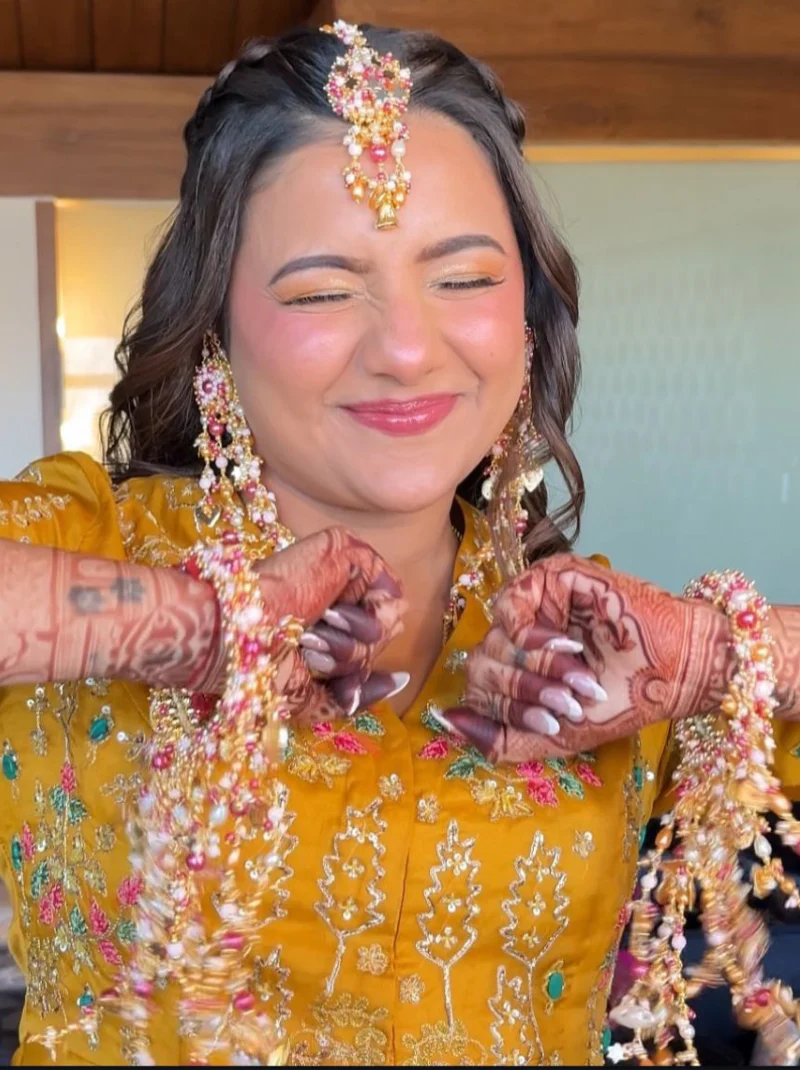

If you’ve attended an Indian wedding recently, you’ve probably noticed something quietly stealing the spotlight—Haathphool Jewellery. It’s elegant, traditional, and surprisingly versatile. Once reserved only for brides, haathphool has now found a place in festive wear, cocktail looks, and even intimate home functions. This isn’t a trend driven by Instagram alone. It’s rooted in culture, comfort, and craftsmanship—and that’s why it’s staying.
What is Haathphool Jewellery?
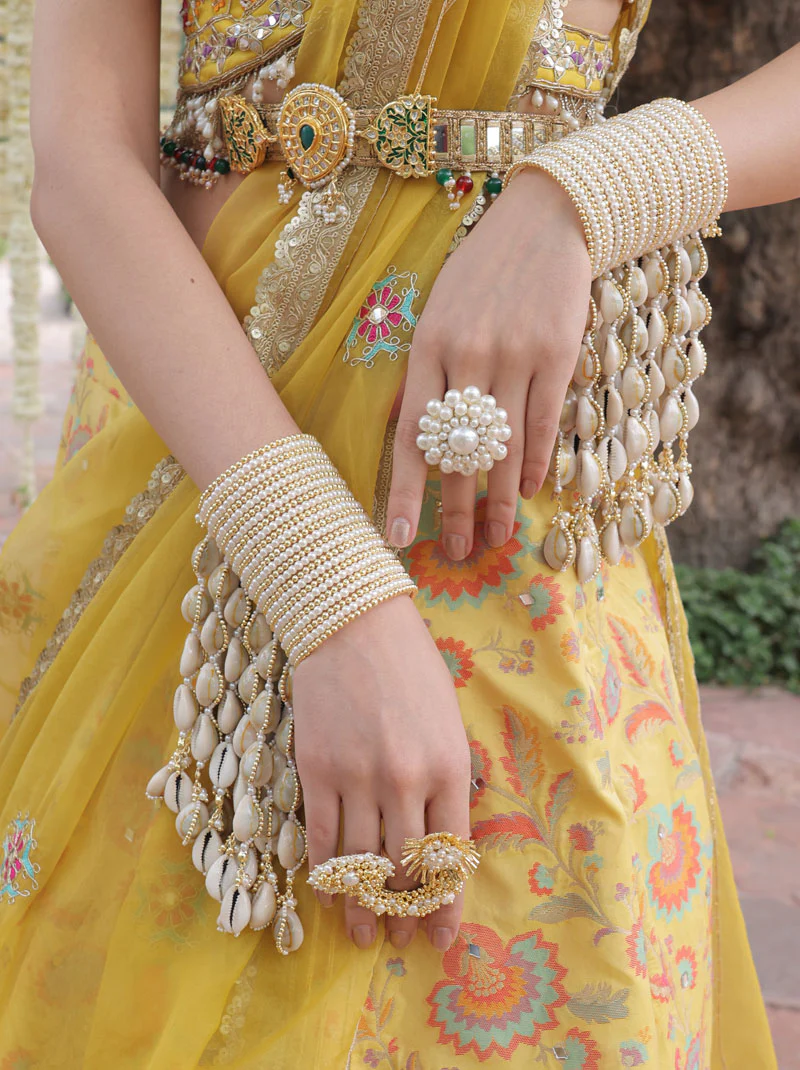
Haathphool Jewellery is a traditional Indian hand ornament that connects a bracelet to one or more rings using chains, adorning the back of the hand beautifully. Traditionally worn by brides, haathphool balances jewellery across the hand, making mehndi designs look more complete. Today, it comes in gold, kundan, polki, pearls, and even lightweight contemporary designs suitable for non-bridal wear.
Why is Haathphool Jewellery important in Indian culture?
Haathphool Jewellery symbolises grace, femininity, and celebration, especially in North Indian and Rajasthani wedding traditions. It’s often worn during wedding rituals because hands play a central role—applying sindoor, exchanging garlands, or performing pheras. Beyond symbolism, it also visually frames bangles and mehndi, creating a cohesive bridal look that feels complete, not overdone.
Who should wear Haathphool Jewellery?
Haathphool Jewellery can be worn by brides, bridesmaids, wedding guests, and even women attending festive functions. You don’t need to be a bride to wear one anymore. Lightweight haathphools work beautifully for sisters of the bride, cousins, or even guests attending haldi, mehndi, or Diwali parties. The key is choosing the right design for the occasion.
How is Haathphool Jewellery different from hand harnesses?
Haathphool Jewellery is rooted in Indian tradition, while hand harnesses are a modern, often Western-inspired accessory. Haathphools usually feature traditional motifs like flowers, paisleys, or kundan settings. Hand harnesses lean minimal and edgy. If you’re wearing Indian outfits like lehengas or anarkalis, haathphool blends naturally without looking out of place.
How do you style Haathphool Jewellery for real Indian functions?
Match the weight of your Haathphool Jewellery to the function and your outfit’s embroidery, not just the neckline. For daytime haldi or mehndi, go light—pearls or floral designs won’t weigh your hand down. Heavy kundan or polki haathphools work best for pheras or reception. A practical tip: avoid overly long chains if you’ll be eating or greeting people often.
Can I wear Haathphool Jewellery without bangles?
Yes, Haathphool Jewellery looks elegant even without bangles, especially for minimalist or contemporary outfits. Many modern designs are made to stand alone. This works well if your outfit already has heavy sleeves or embroidery. Brides who prefer comfort often skip bangles during pre-wedding events and let the haathphool be the hero piece.
Best occasions to wear Haathphool Jewellery?
Haathphool Jewellery works best for weddings, festive pujas, engagement ceremonies, and intimate family celebrations. Interestingly, it’s also becoming popular for destination weddings and temple weddings, where minimal yet meaningful jewellery is preferred. A well-made haathphool adds tradition without the burden of layered jewellery.
How to choose the right Haathphool Jewellery for your outfit?
Choose Haathphool Jewellery based on fabric texture, sleeve length, and hand movement—not just colour matching. This is where most people go wrong. Heavy velvet or silk can handle bold designs. Chiffon, georgette, or organza need lighter pieces. Brands like VAIDAAN focus on proportion and comfort, which actually matters during long ceremonies.
Unique insights most people don’t talk about
1. Comfort matters more than design
A haathphool that looks stunning but restricts finger movement will end up removed halfway through the event. Always check ring size flexibility and chain softness.
2. One good haathphool is better than multiple trendy ones
Unlike earrings or bangles, haathphool styles don’t date quickly. Investing in a well-crafted piece means you can re-wear it across years and functions.
3. Mehndi placement should consider haathphool design
Many brides apply full-hand mehndi only to realise the jewellery covers the best parts. Share your haathphool design with your mehndi artist beforehand—small detail, big difference.
Why Haathphool Jewellery is seeing a comeback now
Haathphool Jewellery fits perfectly into the current shift towards meaningful, wearable tradition over heavy, uncomfortable jewellery. Indian buyers today want pieces that look special but feel personal. They’re choosing fewer items with stronger cultural value. That’s why curated collections, like those from VAIDAAN, resonate—they balance heritage with real-life wearability.
How to maintain Haathphool Jewellery?
Store Haathphool Jewellery flat, avoid moisture, and wipe it gently after every use. Because it includes rings and chains, tangling is common. Keep it in a soft pouch or box, not loose in a drawer. Avoid wearing it while applying perfume or sanitizer—it dulls stones faster than people realise.
FAQs about Haathphool Jewellery
1. Can Haathphool Jewellery be worn on both hands?
Yes, but traditionally brides wear it on both hands only for the wedding ceremony. For other functions, one hand looks elegant and less restrictive.
2. Is Haathphool Jewellery suitable for petite hands?
Absolutely. Opt for smaller motifs and fewer chains. Overly large designs can overpower delicate hands.
3. Can I wear Haathphool Jewellery with a saree?
Yes. It pairs beautifully with sarees, especially sleeveless or short-sleeve blouses where the hand jewellery gets full visibility.
4. Is Haathphool Jewellery adjustable?
Most modern designs are adjustable, especially ring sizes. Always check before buying, particularly if ordering online.
5. Can Haathphool Jewellery be reused after marriage?
Definitely. Neutral designs in pearls or kundan can be styled with festive suits, lehengas, or even fusion outfits.
6. Does Haathphool Jewellery go out of fashion?
Not really. Designs evolve, but the concept remains timeless—much like jhumkas or bangles.
Final thought
Haathphool Jewellery isn’t just an accessory—it’s a finishing touch that ties tradition, outfit, and occasion together. When chosen thoughtfully, it doesn’t scream for attention; it quietly elevates your entire look. And that’s exactly why it continues to hold its place in Indian jewellery wardrobes.














Sign in to leave a comment.