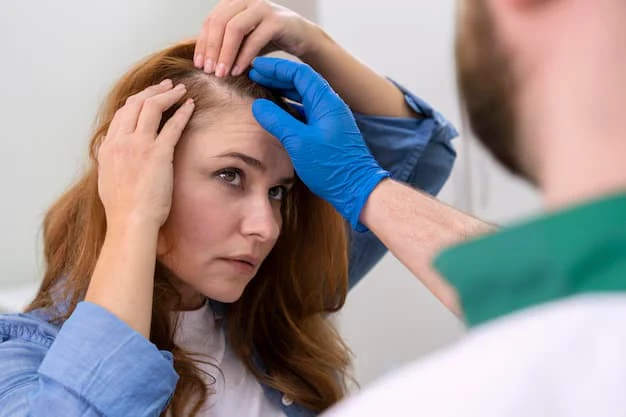

Hair loss is a widespread concern that affects men and women of all ages. While it is often associated with aging, hair loss can also result from genetics, hormonal changes, lifestyle factors, medical conditions, or environmental influences. Losing hair can impact self confidence, emotional wellbeing, and overall appearance, prompting many individuals to seek professional solutions. Hair loss treatment clinics in Leeds offer personalised care, advanced therapies, and comprehensive treatment plans to help patients regrow hair and strengthen existing strands.
This article provides an in depth look at the causes of hair loss, treatment options available in Leeds, the treatment process, and how patients can achieve long lasting results.
Understanding Hair Loss
Hair loss, also called alopecia, can be temporary or permanent depending on its underlying cause. Understanding the reason for hair thinning is essential to selecting the most effective treatment.
Normal Hair Growth Cycle
Hair grows in cycles that include the growth phase, resting phase, and shedding phase. On average, shedding fifty to one hundred hairs per day is considered normal. Hair loss treatment focuses on restoring balance to this cycle and promoting healthy hair growth.
Signs of Abnormal Hair Loss
- Noticeable thinning on the scalp
- Receding hairline or widening parting
- Patchy bald spots
- Decrease in overall hair volume
Early intervention is critical to preventing further hair loss and maximising treatment outcomes.
Common Causes of Hair Loss
Hair loss can occur for a variety of reasons, and clinics in Leeds treat patients with diverse underlying factors.
Genetic Factors
Androgenetic Alopecia
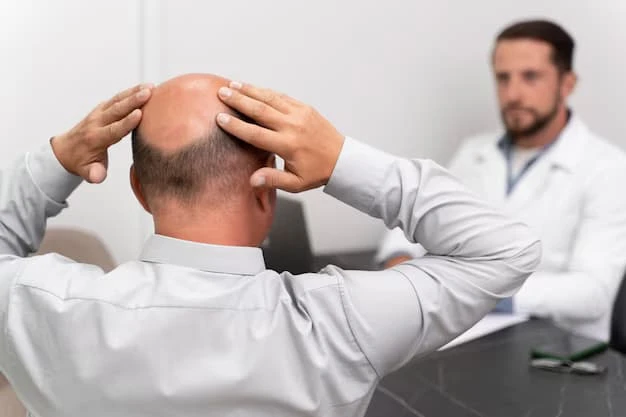
Genetic hair loss, also known as male or female pattern baldness, is the most common form of alopecia. It affects hair follicles’ sensitivity to hormones, gradually leading to thinning and recession along the hairline or crown.
Hormonal Influences
Hormonal changes can disrupt the natural hair growth cycle, resulting in thinning or shedding.
Pregnancy and Postpartum Changes
After childbirth, fluctuations in estrogen and progesterone levels can lead to temporary hair loss.
Menopause and Andropause
Changes in hormone levels during menopause in women or reduced testosterone in men may contribute to hair thinning.
Thyroid Disorders
Conditions such as hypothyroidism or hyperthyroidism can impact hair growth and cause diffuse thinning across the scalp.
Medical Conditions and Medications
Certain illnesses or treatments may contribute to hair loss.
Autoimmune Disorders
Alopecia areata is an autoimmune condition in which the body attacks hair follicles, causing patchy hair loss.
Illness and Infections
Severe illnesses or infections can push hair follicles into the shedding phase prematurely, resulting in temporary hair loss.
Medication Side Effects
Some medications for cancer, depression, blood pressure, or other conditions may affect hair growth. Clinics can provide guidance to minimise hair loss while managing medical needs.
Stress and Lifestyle Factors
Physical or emotional stress can disrupt the hair cycle, causing increased shedding.
Telogen Effluvium
Stress may induce a condition in which hair enters the resting phase prematurely, leading to diffuse thinning across the scalp.
Nutritional Deficiencies
Deficiencies in iron, zinc, vitamin D, and protein can weaken hair and reduce growth potential.
Poor Hair Care Practices
Frequent use of heat styling tools, chemical treatments, or tight hairstyles can damage hair shafts and contribute to thinning.
Environmental Factors
Exposure to pollutants, UV rays, and toxins can weaken hair and exacerbate hair loss over time. Protective measures and treatments help mitigate these effects.
Types of Hair Loss Treated in Leeds
Hair clinics in Leeds address a variety of hair loss patterns based on cause and severity.
Diffuse Thinning
Hair thinning evenly across the scalp, often linked to hormonal imbalances, stress, or nutritional deficiencies.
Pattern Baldness
Gradual recession along the hairline or thinning at the crown, typically genetic.
Patchy Hair Loss
Localized bald spots resulting from autoimmune conditions or scarring alopecia.
Sudden Shedding
Acute hair loss caused by illness, medication, or stress, often temporary but requiring supportive care.
Hair Loss Treatment Options
Professional clinics offer a range of solutions tailored to the specific type and cause of hair loss.
Medical Treatments
Approved medications help slow hair loss, strengthen existing hair, and stimulate regrowth.
Topical Solutions
Topical treatments deliver active ingredients directly to the scalp to encourage follicle activity and maintain hair density.
Oral Medications
Oral therapies address systemic causes of hair loss, including hormonal imbalances, with ongoing monitoring to ensure safety.
Non Surgical Regenerative Treatments
Platelet Rich Plasma Therapy
PRP therapy uses the patient’s own platelets to stimulate dormant hair follicles, enhancing thickness and promoting healthy growth.
Exosome Therapy
Exosome treatments support cellular regeneration in hair follicles, improving scalp health and encouraging stronger, denser hair growth.
Surgical Hair Restoration
Follicular Unit Extraction
FUE transplants individual hair follicles from a donor area to thinning regions, providing natural results with minimal scarring.
Follicular Unit Transplantation
FUT involves transplanting grafts dissected from a scalp strip to balding areas, suitable for extensive hair loss.
Scalp Treatments and Maintenance
Professional guidance on scalp care, nutrition, and lifestyle supports hair strength and prolongs treatment results.
Scalp Micropigmentation
A cosmetic solution that creates the appearance of fuller hair through precise pigmentation.
Lifestyle and Nutritional Advice
Balanced diet, stress management, and proper hair care help maintain treatment outcomes and overall hair health.
Consultation and Treatment Process
A personalised consultation is essential for effective hair restoration.
Initial Assessment
Clinics evaluate hair loss patterns, medical history, lifestyle, and patient goals to determine the best treatment approach.
Scalp Analysis
Advanced diagnostics assess hair density, follicle health, and scalp condition to guide therapy selection.
Personalised Treatment Plan
Tailored plans may combine medical, non surgical, and surgical options depending on the patient’s needs.
Follow Up and Maintenance
Ongoing monitoring ensures treatments are effective, adjustments are made if necessary, and long term results are maintained.
Benefits of Professional Hair Loss Treatment
Expert Evaluation
Qualified specialists identify the cause of hair loss and recommend evidence based therapies.
Comprehensive Options
Clinics offer medical, non surgical, and surgical treatments to address a wide range of hair loss conditions.
Personalised Care
Patients receive guidance on hair care routines, nutrition, and lifestyle practices that support treatment outcomes.
Sustainable Results
Professional treatment provides long term improvements in hair density, strength, and scalp health, restoring confidence and appearance.
Conclusion
Hair loss can result from genetics, hormonal changes, medical conditions, stress, or environmental factors. Clinics in Leeds provide comprehensive, personalised treatments to help patients regrow hair, strengthen existing strands, and maintain long term scalp health. With a combination of medical therapies, regenerative procedures, and surgical restoration, patients can achieve natural, long lasting results tailored to their specific needs.
For expert hair loss treatments in Leeds, personalised solutions and professional care are available at Este Medical Group Leeds, supporting patients in regaining hair density, improving scalp health, and restoring confidence.






Sign in to leave a comment.