
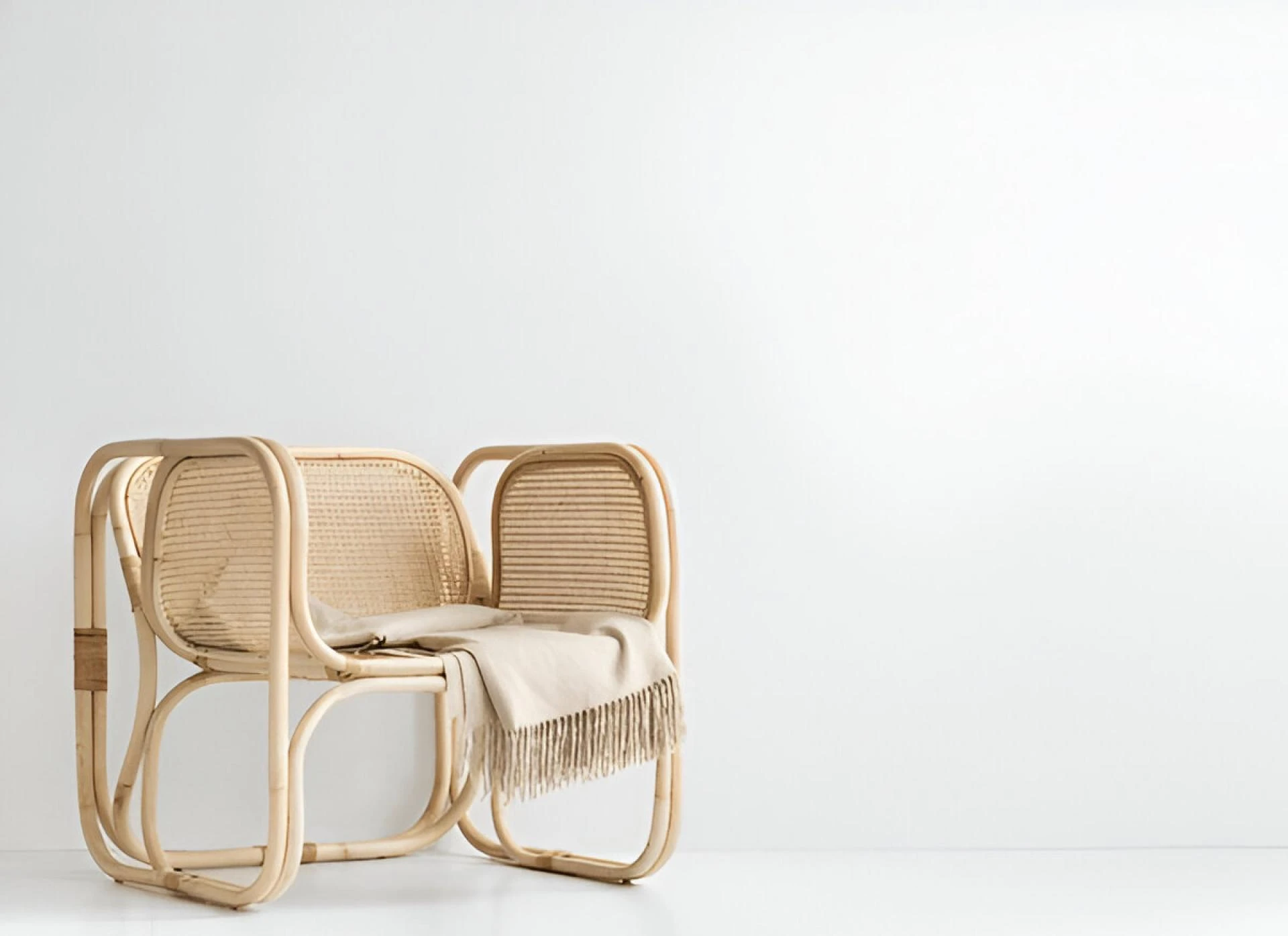
The warm, intricate weave of cane furniture holds a unique place in design, blending natural beauty with enduring functionality. Whether you own a cherished family antique or a classic mid-century piece, maintaining the integrity of its caned seat is essential to preserving its value and comfort.
When your furniture needs repair, a crucial decision arises: Hand Caning vs. Machine Caning. As specialists in fine cane furniture restoration, we at Jardin Wicker are here to guide you through the pros, cons, and characteristics of each method, ensuring your treasured piece receives the absolute expertise and reliability it deserves.
The Timeless Craftsmanship of Traditional Hand Caning Repair Services
Traditional hand caning is the method of choice for authentic antique chairs, typically those manufactured before 1920.
What is Hand Caning? This process is a genuine artisan craft. We use individual strands of natural cane laced through small holes drilled directly into the chair frame. The classic seven-step pattern is woven one strand at a time, leaving distinct, knotted loops visible on the underside of the seat.
Why Choose Hand Caning?
- Authenticity: It maintains the historical accuracy and value of antique furniture.
- Durability: The natural material, expertly woven, is known for its incredible strength and longevity.
- Aesthetics: The hand-woven nature results in a tighter, more traditional appearance that perfectly complements heirloom pieces.
If your piece features drilled holes in the seat frame, it requires our traditional hand caning repair services to preserve its true character.
The Practicality and Efficiency of Machine (Pressed) Caning
Machine caning, often referred to as pressed caning, became popular later in the 20th century, offering a faster, cost-effective restoration solution for specific furniture types.
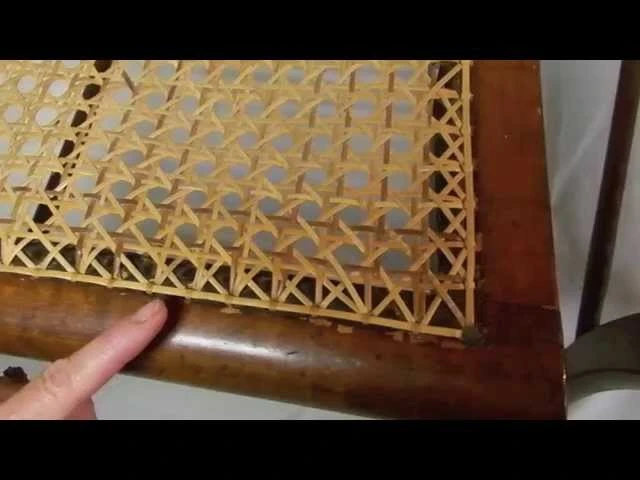
What is Machine Caning? This method utilizes a pre-woven sheet of cane mesh, which is cut to fit the seat opening. The sheet is then pressed firmly into a routed groove around the seat's perimeter and held securely in place with a wooden wedge called a spline. If you look underneath a machine-caned chair, the surface will be smooth—you won't see any individual loops or knots.
Why Choose Machine Caning?
- Speed & Cost: It’s a quicker process than hand caning, which translates to a more budget-friendly repair.
- Modern Furniture: It is the correct and proper method for pieces originally designed with a routed groove.
- Uniformity: The factory-woven sheets provide a perfectly uniform pattern.
Beyond Cane: A Comprehensive Approach to Furniture Restoration
While caning is our specialty, fine furniture restoration often involves more than just a single weave. To ensure we target all your restoration needs, Jardin Wicker provides a full spectrum of professional reweaving services using only the highest quality materials:
- Natural Rush Seating: The classic twisted look of natural rush or paper rush.
- Wicker and Rattan Repair: Structural and cosmetic fixes for all types of wicker furniture.
- Specialty Weaves: Including Splint Seat Reweaving, Hickory Seating, Shaker Tape, and delicate Danish Cord Weaving.
- Finishing Services: Complete with specialty painting and staining services to match your existing finish perfectly.
Ensuring Longevity: Making the Best Restoration Choice
Choosing between hand caning and machine caning depends entirely on your chair’s original design and your goals for the piece. We always begin with a thorough inspection to determine the authentic method for your furniture.
For minor fixes or comprehensive reweaving, we bring decades of experience and dedication to every project. When you need expert help deciding on the right approach, or if you're looking for reliable Chair seat repair near me, simply contact us through our Google Business Profile to begin your restoration journey.
Trust Jardin Wicker to restore your furniture with the skill and care that only dedicated professionals can provide.























Sign in to leave a comment.