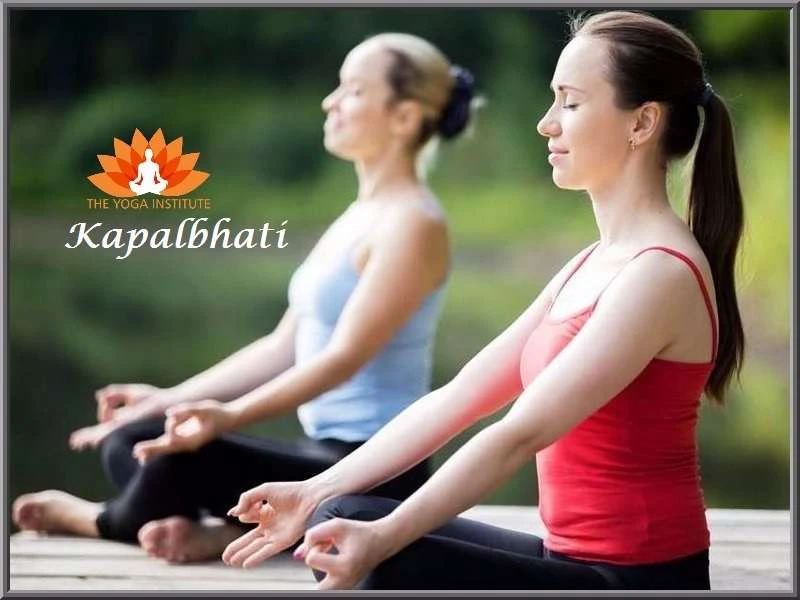

In today's fast-paced world, finding moments of calm and tranquillity is a precious commodity. Yoga, with its myriad techniques and practices, offers a path to inner peace and well-being. Among these practices, Kapalbhati Pranayam and different asanas stand out as powerful tools for cultivating mindfulness and enhancing physical and mental health.
Kapalbhati Pranayam: A Gateway to Vitality
Kapalbhati Pranayam is a popular yogic breathing exercise known for its numerous health benefits. The name "Kapalbhati" is derived from two Sanskrit words: "kapal," which means skull, and "bhati," which means shining or illuminating. This practice is often referred to as the "Skull-Shining Breath" because of its transformative effects on both the body and mind.
Improved Respiratory Health: It involves forceful exhalation through the nostrils while keeping the inhalation passive. This deep cleansing breath helps clear the respiratory passages, enhancing lung capacity and oxygenating the entire body.Digestive Health: Regular practice of Kapalbhati stimulates the abdominal organs and promotes better digestion. It is particularly effective in alleviating digestive issues like constipation and indigestion.Stress Reduction: It aids in calming the mind and reducing stress. The rhythmic breathing pattern encourages mindfulness, leading to a sense of inner calm and relaxation.Weight Management: This pranayama is also known for its role in weight management. The vigorous exhalations help in burning calories and toning abdominal muscles.Mental Clarity: It clears the mind, increases mental alertness, and improves concentration. It is often recommended for those looking to enhance cognitive functions.
Meditative Asanas: Finding Stillness Within
Incorporating asanas into your yoga practice can amplify the Kapalbhati Pranayam benefits. These poses encourage introspection, mindfulness, and the union of body and spirit.
Sukhasana (Easy Pose): Sukhasana is a simple cross-legged sitting posture that encourages relaxation and focus. It is an ideal starting point for meditation, allowing you to find comfort and stability.Padmasana (Lotus Pose): Padmasana is an advanced meditative pose that requires flexibility in the hips and knees. It promotes spine alignment, deep breathing, and a calm state of mind.Vrikshasana (Tree Pose): Vrikshasana challenges your balance and concentration. As you stand on one leg with the other foot placed on your inner thigh, you find both physical and mental stability.Balasana (Child's Pose): Balasana is a restorative pose that helps release tension in the back, shoulders, and neck. It's a perfect way to relax after an intense session of Kapalbhati Pranayam.Shavasana (Corpse Pose): Shavasana is the ultimate relaxation pose. It involves lying down on your back with your limbs relaxed, promoting complete surrender and meditation.
The Yoga Institute: Your Path to Holistic Wellness
To experience proper Kapalbhati Pranayam benifits and asanas, it's crucial to practice under the guidance of experienced yoga instructors. The Yoga Institute, founded in 1918, is one such institution that has been a beacon of yogic wisdom for generations. With its rich history and commitment to traditional yoga practices, The Yoga Institute is an ideal destination for those seeking holistic wellness.
Kapalbhati Pranayam and Meditative asanas are powerful tools that can help you embark on a journey of self-discovery, improved physical health, and enhanced mental well-being. Whether you are a beginner or an experienced yogi, these practices, when incorporated into your routine, can lead to a more balanced and harmonious life. Consider exploring The Yoga Institute to deepen your yoga practice and experience the transformative effects of yoga firsthand.



























Sign in to leave a comment.