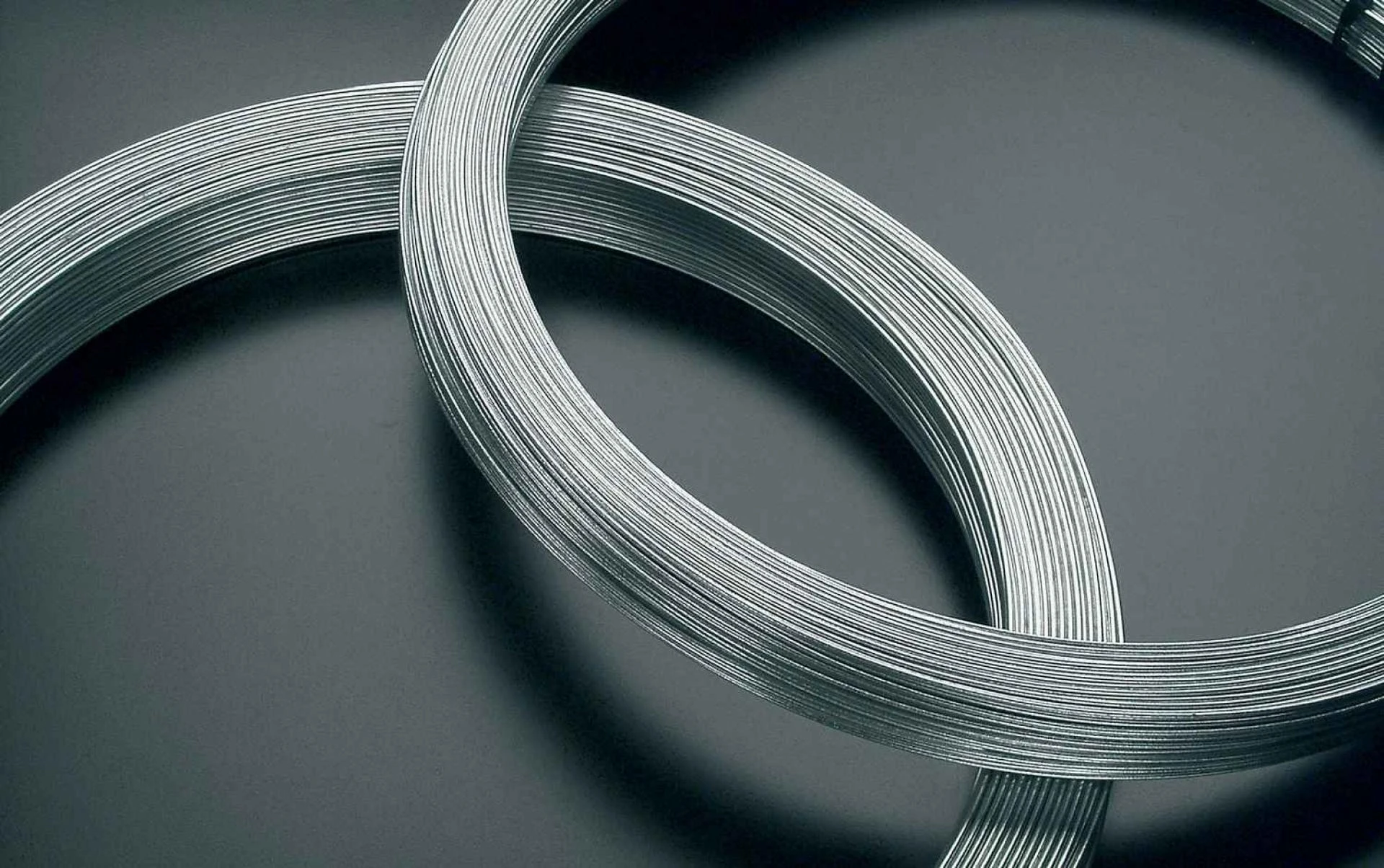

Chemical processing equipment, flue gas desulfurization systems, pollution control equipment, and pulp and paper industry all require materials that can withstand harsh chemical environments. Hastelloy B-3 wire is an excellent solution to these requirements due to its outstanding resistance to corrosion, high temperature, pitting and crevice corrosion, and stress corrosion cracking.
What is Hastelloy B-3 Wire?
Hastelloy B-3 wire is a high-performance nickel-molybdenum alloy wire that is known for its exceptional resistance to corrosion and cracking in aggressive chemical environments. It has low levels of impurities and can withstand high temperatures and pressures, making it an ideal choice for a variety of applications in chemical processing industries.
Properties of Hastelloy B-3 wire
Hastelloy B-3 wire has several unique properties that make it ideal for aggressive chemical environments. Some of these properties include:
Resistance to corrosion
Hastelloy B-3 wire has excellent resistance to various corrosive chemicals such as sulfuric acid, hydrochloric acid, acetic acid, and many others. The alloy's high nickel content makes it highly resistant to corrosion, even in highly oxidizing and reducing environments.
High-temperature resistance
Hastelloy B-3 wire can withstand high temperatures up to 1000°C without significant loss of properties. This makes it ideal for use in high-temperature environments.
Resistance to pitting and crevice corrosion
Hastelloy B-3 wire has excellent resistance to pitting and crevice corrosion. The alloy's high molybdenum and low carbon content make it highly resistant to localized corrosion.
Resistance to stress corrosion cracking
Hastelloy B-3 wire has excellent resistance to stress corrosion cracking. This is due to the alloy's low carbon content and the absence of grain boundary precipitates in the heat-affected zones of welded joints.
Factors to Consider When Selecting a Wire for Chemical Environments
Selecting the right wire for use in aggressive chemical environments is crucial for ensuring long-term performance and safety. Here are some key factors to consider when selecting a wire for chemical environments:
Chemical Composition
The chemical composition of the wire must be suitable for the chemicals present in the environment. Different alloys have different levels of resistance to various chemicals. For example, Hastelloy B-3 wire is an excellent choice for environments with aggressive chemicals like sulfuric acid, hydrochloric acid, and phosphoric acid.
Temperature
The wire must withstand the temperature of the environment without any significant loss of properties. Different alloys have different temperature ranges where they can maintain their mechanical and physical properties. For example, Hastelloy B-3 wire can withstand high temperatures up to 1000°C.
Pressure
The wire must be able to withstand the pressure of the environment without any significant loss of properties. Different alloys have different levels of resistance to pressure. For example, Hastelloy B-3 wire can withstand high pressures.
Fluid Velocity
The velocity of the fluid in the environment must also be considered. If the fluid velocity is too high, it can cause erosion and corrosion of the wire. Hastelloy B-3 wire has excellent erosion and corrosion resistance, making it an excellent choice for environments with high fluid velocity.

























Sign in to leave a comment.