
Are you tired of dealing with muscle pain that just won’t go away? Dry needle therapy San Francisco might be the solution you’ve been looking for. This treatment has been helping people reduce tension, improve movement, and feel better without relying on medications. By targeting tight spots in the muscles, dry needle therapy offers relief in a natural, personalized way that focuses on your body’s needs.
Persistent muscle pain can make even simple daily activities frustrating. Sitting at a desk, lifting objects, or even sleeping comfortably may become a struggle. Dry needle therapy works by addressing the root cause of muscle tension, giving your body a chance to heal and regain flexibility.
Understanding Dry Needle Therapy
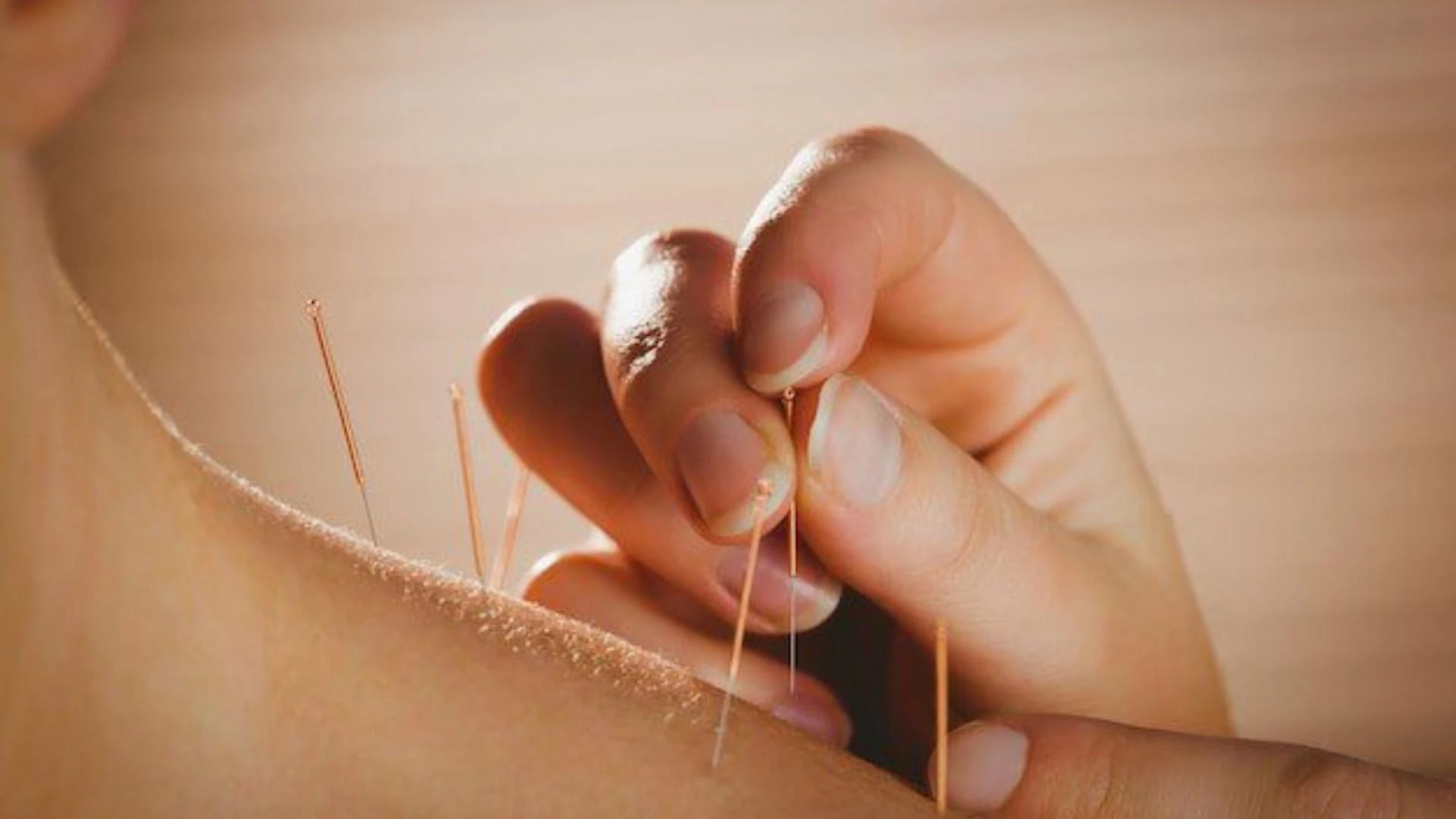
Dry needle therapy is a treatment where very thin, clean needles are gently put into tight spots in your muscles, called trigger points. These spots feel like knots and can cause pain that spreads to other areas. The treatment doesn’t use any medicine, so it’s called “dry.”
The main goal of dry needle therapy is to loosen muscles, improve blood flow, and help the body heal on its own. Each session is designed just for you. Therapists focus on the spots causing pain, making the treatment personal and precise.
Some people feel better quickly, while others see results after a few sessions. This personal approach makes dry needle therapy a good option for anyone with ongoing muscle pain.
How Does Dry Needle Therapy Work?
When a thin needle is inserted into a tight muscle, it creates a controlled response that helps the muscle release tension. This process also reduces the pain signals sent to your brain. In addition, the therapy encourages better blood circulation, bringing oxygen and nutrients to the affected muscles, which supports faster healing.
Sessions are generally short, usually between 15 and 30 minutes. Most people feel a slight twitch or mild sensation during the procedure, which is a sign that the muscles are responding. Afterward, it’s normal to feel some mild soreness, similar to the feeling after a good workout.
Benefits You Can Experience
Dry needle therapy provides several advantages for anyone struggling with persistent muscle pain:
- Pain relief: Tight areas are treated directly, often reducing discomfort faster than other methods.
- Improved flexibility and movement: Relaxed muscles allow for easier movement without stiffness.
- Faster recovery: Better circulation supports muscle healing and overall recovery.
- Non-medication approach: Ideal for people looking to avoid painkillers or other medicines.
Many patients report feeling lighter, more relaxed, and able to move more freely after the first session. Regular treatments can prevent pain from returning and improve overall muscle function over time.
Who Can Benefit from Dry Needle Therapy?
Dry needle therapy is not just for athletes. Anyone experiencing tight muscles, knots, or ongoing pain can benefit. Common areas treated include the neck, shoulders, back, and legs. People with repetitive strain from work, long hours at a desk, or daily activities often find relief through this therapy.
Therapists in San Francisco provide expert care, focusing on each person’s unique needs. They carefully assess your posture, muscle tension, and movement patterns before targeting the areas that need attention most. This ensures the therapy is both safe and effective.
What to Expect During a Session
A typical session begins with a discussion about your pain and medical history. Your therapist examines the muscles to locate tight areas and then inserts thin, flexible needles into these points. Many patients feel a mild sensation or small muscle twitch, which indicates the therapy is helping.
After the session, it’s common to feel a little soreness, but this usually disappears within a day or two. Many people notice improved mobility and less pain almost immediately. Therapists often provide simple stretches and exercises to keep the results lasting longer.
The Importance of Professional Care
Choosing a qualified therapist is essential for safety and effectiveness. Professionals in San Francisco combine technical expertise with a supportive, approachable style. They explain every step of the process clearly, adjust techniques based on how your body responds, and ensure your comfort throughout the session.
Personalized care makes a real difference. Instead of following a one-size-fits-all approach, each session is tailored to your specific pain points and muscle needs. This focused attention ensures better results and a positive experience.
Why Dry Needle Therapy Stands Out
Dry needle therapy is unique because it works directly on the muscles causing the problem. Unlike general massage or stretching, it targets trigger points, giving your muscles a chance to reset and heal naturally. Many patients feel relief more quickly compared to traditional treatments and can enjoy longer-lasting results.
It’s also a safe option for people who prefer treatments without medications or invasive procedures. With trained professionals providing the therapy, you can feel confident that you are getting expert care with a gentle, precise approach.
Closing Statement
If muscle pain is affecting your daily life, dry needle therapy offers an effective, safe, and personalized solution. By targeting tight muscles directly, it encourages natural healing, reduces pain, and improves movement.
Expert providers in San Francisco deliver tailored care with a focus on your comfort and needs. With dry needling treatments San Francisco, you can regain flexibility, reduce discomfort, and improve your overall quality of life. Persistent muscle pain doesn’t have to control your day; professional dry needle therapy gives you a practical path to feeling better!


























Sign in to leave a comment.